Market Overview
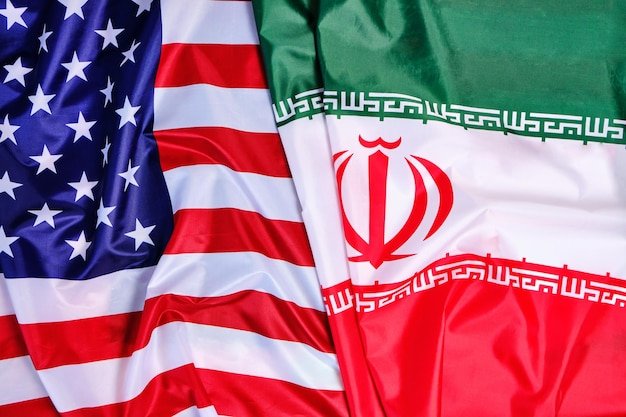
The prediction market for a US-Iran permanent peace deal by May 31, 2026 is currently trading at 22.5%, where it has remained stable over the past 24 hours despite $10 million in volume. The probability suggests traders view such an agreement as unlikely but not implausible within the 18-month timeframe—roughly equivalent to a one-in-four chance. The market definition is exacting, requiring either a signed written agreement or formal public confirmation from both governments that military hostilities will permanently cease, which excludes temporary ceasefires or statements of mere progress.
Why It Matters
A permanent US-Iran peace deal would represent a seismic shift in Middle Eastern geopolitics and decades of adversarial relations. The two countries have no formal diplomatic framework resolving core disputes over nuclear programs, regional proxy conflicts, and sanctions. Any durable agreement would likely need to address multiple contentious issues simultaneously, from Iran's nuclear activities to American military presence in the region and Iran's support for non-state actors. The market's 22.5% valuation reflects genuine uncertainty about whether either government possesses sufficient political will or domestic support to make the necessary concessions before mid-2026.
Key Factors
Several variables will determine whether this market resolves affirmatively. The US presidential administration's approach to Iran policy is paramount—different administrations have pursued vastly different strategies, from the JCPOA framework to maximum pressure campaigns. Iran's internal politics, including elections and competing factions on foreign policy, also shape negotiating flexibility. The trajectory of regional conflicts—particularly any escalation or de-escalation in Israel-Iran tensions, the situation in Syria and Iraq, and Houthi activities—could either create crisis conditions forcing negotiation or harden positions on both sides. The timeline is compressed; 18 months is brief for resolving issues that have accumulated over four decades, suggesting traders believe meaningful agreement requires either a major external shock or unprecedented political realignment in one or both capitals.
Outlook
The stable 22.5% probability indicates no consensus shift toward optimism or pessimism in recent days. Developments that could meaningfully raise this probability include a formal change in US administration policy explicitly prioritizing diplomacy, major Iranian political transitions favoring nuclear negotiations, or a regional crisis creating mutual incentives for de-escalation. Conversely, significant escalations—military strikes, proxy confrontations, or hardline political victories in either country—could push probabilities lower. Market participants should monitor both official diplomatic channels and domestic political signals in Washington and Tehran, as any serious movement toward negotiations would likely register in shifting prices before formal agreements materialize.