Market Overview
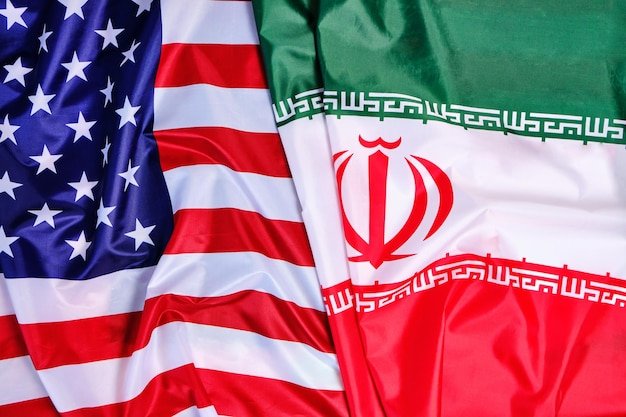
Prediction market participants are currently pricing a US-Iran permanent peace deal by May 31, 2026 at 22.5%, with nearly $10 million in trading volume demonstrating active engagement with the question. The stable probability over the past 24 hours suggests the market has settled into an equilibrium reflecting current geopolitical conditions, neither anticipating imminent breakthrough nor pricing in rapid deterioration of diplomatic prospects. The timeframe under consideration—approximately 16 months from the market's reference point—provides a defined window for assessing the likelihood of an agreement that meets the high bar set by the resolution criteria: a formal written accord or explicit dual governmental confirmation explicitly ending military hostilities on a permanent basis.
Why It Matters
A permanent US-Iran peace deal would represent one of the most significant geopolitical realignments in recent decades, potentially reshaping Middle Eastern security architecture, regional proxy conflicts, and global energy markets. The specificity of the resolution criteria—requiring either a signed written agreement or formal dual confirmation of a permanent settlement, while explicitly excluding temporary ceasefires or ceasefire extensions—underscores the substantive threshold required. Historical context is relevant here: the 2015 Joint Comprehensive Plan of Action (JCPOA) represented the closest the parties have come to a comprehensive accord in recent memory, yet it addressed nuclear matters rather than the broader military hostility framework this market contemplates. The market's 22.5% assessment reflects skepticism about achieving a more expansive accord in a compressed timeframe.
Key Factors
Several structural factors weigh on the probability. The United States and Iran have no formal diplomatic relations, lack mutual trust, and maintain fundamentally opposed regional interests—including competing influence in Iraq, Syria, Yemen, and Lebanon. Domestic political considerations in both capitals constrain negotiating flexibility; hardliners on both sides oppose rapprochement, and US administrations face pressure from Israel and Gulf allies opposed to Iranian empowerment. The market's reference point includes a noted two-week ceasefire agreement (April 7, 2026), which the resolution criteria explicitly exclude, suggesting recent de-escalation has occurred without translating into permanent settlement prospects. Conversely, the fact that such a ceasefire exists indicates some level of communication and potential willingness to negotiate, preventing the probability from falling to negligible levels. The May 2026 deadline is relatively near-term, limiting the window for protracted negotiations that typically accompany transformational agreements.
Outlook
For the probability to move meaningfully upward, markets would likely require evidence of formal negotiations with defined parameters, significant concessions signaled by either party, or statements from official channels indicating serious progress toward a comprehensive accord. Developments that could shift probabilities downward include resumption of military escalation, hardline statements from either government's leadership, or expiration of the referenced ceasefire without renewal. The 22.5% probability should be interpreted as the market's assessment that while a permanent deal remains possible—perhaps if regional circumstances shift dramatically or political leadership changes occur—the structural obstacles and compressed timeline make it more likely than not that no such agreement will be reached by the deadline. Traders should monitor official announcements from US State Department and Iranian government sources, as the resolution criteria explicitly prioritize governmental confirmation over media reporting.