What Happened
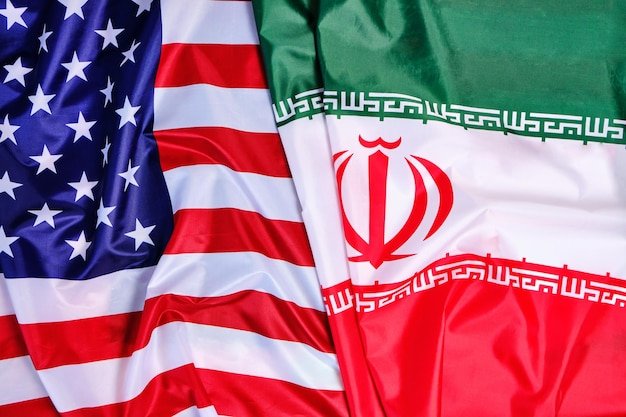
Prediction market odds for a permanent US-Iran peace deal by April 22, 2026 surged from 23.5% to 38.5% over a recent trading period, representing a substantial 15 percentage point shift. The movement occurred alongside exceptionally high volume of $7.4 million, indicating concentrated trading activity and significant reallocation of capital toward the \"Yes\" side of the contract. The magnitude of both the price movement and dollar volume suggests traders are responding to meaningful new information or developments in US-Iran relations.
Why It Matters
Prediction markets aggregate information from participants with financial incentives to assess probabilities accurately, making large volume moves potential indicators of shifting assessments among informed observers. A jump from roughly one-in-four odds to better than one-in-three odds represents a material shift in market expectations about diplomatic prospects. Given the geopolitical significance of any US-Iran reconciliation and the specific resolution criteria requiring a formal, permanent peace agreement rather than temporary ceasefires, this repricing suggests traders have updated their models regarding either the likelihood of successful negotiations or the timeline for agreement.
Market Context
The market's resolution criteria establish a high bar for affirmative resolution, requiring either signed written agreements or formal public confirmation from both governments explicitly indicating a permanent end to military hostilities. Temporary arrangements, extensions of existing ceasefires, or statements of negotiating progress do not qualify. This strict definition explains why the market began at modest odds despite ongoing diplomatic discussions. The 38.5% current level still reflects substantial skepticism, consistent with historical difficulty in achieving comprehensive US-Iran agreements, but the direction and velocity of movement suggest recent developments have meaningfully altered trader assessments of deal feasibility.
Outlook
The 15-month window to April 2026 provides adequate time for diplomatic processes to advance, though the current odds still favor the failure to reach a permanent agreement over success. Traders appear to be pricing in both increased negotiating momentum and recognition that pathways to agreement, while challenging, have become more plausible. Future market movements will likely track concrete developments such as direct bilateral talks, statements from official negotiators, or broader geopolitical shifts affecting incentive structures for both parties.