Market Overview
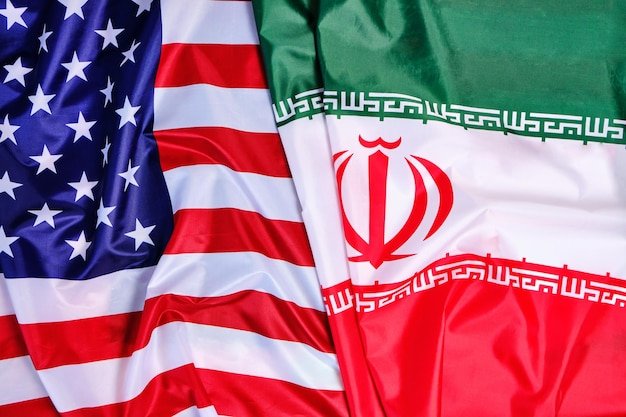
Prediction markets are currently pricing a permanent peace deal between the United States and Iran by May 31, 2026 at 22.5%, representing meaningful upside from the 18.5% probability recorded 24 hours prior. The market has drawn substantial liquidity, with $9.99 million in trading volume, indicating serious engagement from participants assessing the feasibility of a comprehensive agreement that would formally end military hostilities between the two nations. The resolution criteria require either a formally signed written agreement or dual public government confirmation that a qualifying peace deal has been established—a notably high bar that excludes temporary ceasefire extensions or negotiation statements.
Why It Matters
A permanent peace deal between the United States and Iran would represent one of the most significant geopolitical developments in recent decades, with implications spanning energy markets, regional stability, sanctions architecture, and global security dynamics. For markets, such an agreement would potentially unlock Iranian oil exports, ease global energy supply concerns, and substantially reduce geopolitical risk premiums across asset classes. The specificity of the resolution criteria—requiring explicit language about permanent cessation of military hostilities—underscores that markets are pricing genuine peace rather than diplomatic progress or temporary agreements, which have characterized recent US-Iran interactions.
Key Factors Driving Current Probability
The 22.5% probability reflects tension between structural obstacles and tactical openings. Structural barriers remain formidable: decades of mutual mistrust, competing regional interests, the ongoing Israeli-Palestinian conflict, and fundamentally incompatible positions on nuclear development, sanctions, and regional proxy activities create deep negotiating challenges. However, the recent uptick in pricing suggests markets are reflecting either renewed diplomatic engagement, leadership changes, or shifts in regional dynamics that have marginally improved the perceived probability of breakthrough negotiations. The timeframe of 16 months from now provides sufficient but not expansive room for negotiations to mature from current positions to a finalized agreement. The market's assessment of roughly 1-in-4 odds implies skepticism that fundamental differences can be bridged, yet acknowledges non-trivial pathways to resolution.
Outlook and Risk Factors
For the probability to move materially higher, markets would likely require concrete evidence of sustained diplomatic engagement at senior levels, reciprocal concessions on core issues, or meaningful shifts in regional security dynamics that reduce zero-sum competition between the two powers. Conversely, escalatory military incidents, domestic political shifts in either country, or breakdown of talks would predictably lower the probability. Participants should note that the resolution criteria's requirement for formal, definitive agreements—rather than progress or framework deals—creates binary risk; preliminary breakthroughs that fall short of the bar would not move resolution odds but could materially shift market pricing as participants reassess the final settlement's likelihood. The 24-hour momentum gain from 18.5% to 22.5% suggests recent newsflow has incrementally improved sentiment, though the probability remains anchored below 25%, reflecting the market's baseline skepticism about near-term resolution of intractable disputes.