Market Overview
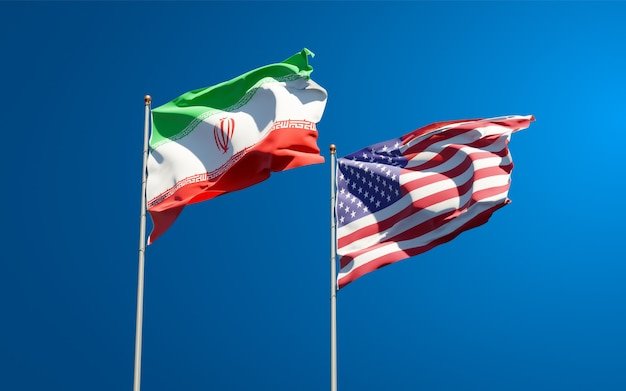
Prediction markets are currently pricing the likelihood of a new US-Iran nuclear agreement by the end of 2026 at 53.5%, placing the outcome nearly at even odds. With $861,792 in trading volume, the market indicates genuine uncertainty among participants about whether the two countries can reach a publicly announced accord on Iranian nuclear research or weapons development within the next 24 months. The stable probability over the past day suggests the market has settled on a baseline assessment rather than responding to breaking news.
Why It Matters
A nuclear agreement between the US and Iran would represent one of the most significant diplomatic achievements in recent American foreign policy. The previous accord, the Joint Comprehensive Plan of Action (JCPOA) signed in 2015, was abandoned by the Trump administration in 2018, leading to the current impasse. The current market window extends through 2026, encompassing a period that includes potential shifts in US political leadership and continued evolution of Iran's nuclear program. Any successful agreement would likely reduce regional tensions and affect global energy markets, sanctions regimes, and US-allied relationships throughout the Middle East.
Key Factors
Several structural factors are sustaining the 53.5% probability. First, the political feasibility question looms large: a new US administration taking office in January 2025 may have substantially different negotiating priorities and red lines than its predecessor. Second, Iran's nuclear program has advanced significantly since the JCPOA collapse, with enrichment levels and stockpiles now far beyond what was permitted under the 2015 deal—making any new agreement more complex to negotiate. Third, the definition of \"official agreement\" in this market is relatively broad, encompassing bilateral accords as well as multilateral arrangements, which theoretically increases the pathways to resolution. However, the 24-month timeline is relatively constrained for nuclear negotiations historically, which typically require extensive back-channel diplomacy before formal announcements occur. The current probability suggests markets see these factors in approximate balance.
Outlook
The 53.5% probability will likely remain sensitive to several near-term catalysts. A change in US political administration could dramatically shift probabilities depending on the incoming president's stated positions on Iran policy. Any public statements from either government indicating active negotiations or heightened nuclear activity would move the market accordingly. Additionally, regional developments—including Israeli-Iran tensions, proxy conflicts, or broader Middle East instability—could either accelerate negotiation timelines or push diplomacy further off the table. The market's current positioning at near-even odds reflects genuine uncertainty about whether diplomatic will exists on both sides to bridge the gap between current positions within the specified timeframe.