Market Overview
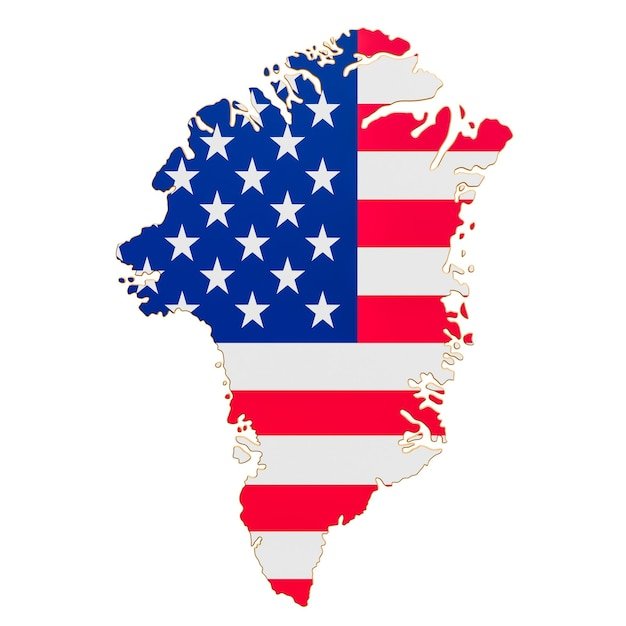
Prediction markets are currently pricing a 14% probability that the United States will acquire control of some portion of Greenland within the next 24 months. The market, which has accumulated nearly $10 million in trading volume, shows relatively stable pricing with no significant movement in the past day. The specific resolution criteria are narrowly defined: only a binding agreement transferring sovereignty or granting the U.S. exclusive primary jurisdiction—not merely use rights, leases, or non-binding proposals—would qualify. This high bar reflects the exceptional nature of territorial acquisition in the modern international system.
Why It Matters
The question reflects real-world developments initiated by President Trump, who in late 2024 and early 2025 publicly expressed interest in acquiring Greenland. While such statements have historically been treated as negotiating posturing or rhetorical posturing, the prediction market's assignment of meaningful probability indicates that analysts view a non-zero chance of formal acquisition proceedings. Greenland, an autonomous territory within the Danish realm, possesses significant strategic value due to its Arctic location, natural resources, and geopolitical positioning relative to Russia and China. Any successful U.S. acquisition would represent a fundamental shift in North Atlantic geopolitics and the established post-World War II territorial order.
Key Factors
Several dynamics shape the current 14% probability. On the positive side for acquisition: Trump's explicit public interest, control of the U.S. executive branch and legislature, potential appeals to Greenlandic independence movements, and the absence of explicit legal prohibition on acquisition attempts. Against acquisition: Denmark's sovereign authority and strong opposition to any transfer, Greenland's own movement toward independence (which complicates but does not eliminate acquisition scenarios), the absence of any binding negotiation framework as of early 2025, and the international legal and diplomatic costs of pursuing territorial acquisition in violation of stated NATO ally preferences. The two-year timeframe means that resolution hinges on whether sufficient political momentum could build to produce a binding instrument by year-end 2026.
Outlook
The 14% probability suggests the market views acquisition as unlikely but plausible under specific scenarios—perhaps involving accelerated Greenlandic independence paired with a negotiated sale, unexpected geopolitical crisis elevating Arctic strategy, or a dramatic shift in Danish or Greenlandic policy. Any binding agreement or legislative action would need to clear multiple thresholds: U.S. Congressional authorization, Danish and Greenlandic consent or negotiation, and drafting of legal instruments meeting the market's strict definition. Developments that could materially shift pricing include official statements from Danish or Greenlandic governments regarding negotiations, congressional activity related to acquisition, or geopolitical events altering perceptions of Arctic security. The relatively high trading volume suggests active monitoring of this scenario by sophisticated market participants despite its low baseline probability.