Market Overview
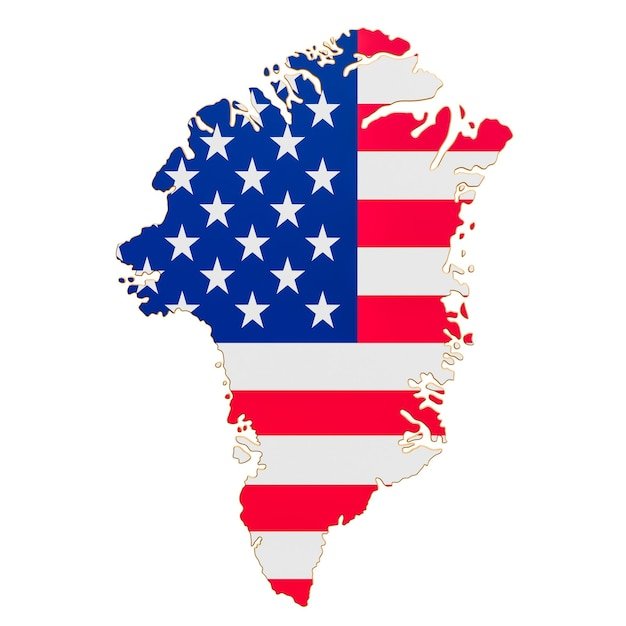
The prediction market on US acquisition of Greenlandic territory has stabilized at 14% implied probability, with volume exceeding $9.6 million, indicating sustained trader interest in an outcome that remains far from consensus but above negligible odds. The market prices require a binding agreement or legal instrument establishing either formal US sovereignty or primary exclusive jurisdiction over a defined area of Greenland by December 31, 2026—a notably high bar that excludes non-binding proposals, basing agreements, or commercial concessions.
Why It Matters
The question touches on longstanding US strategic interest in Arctic resources and positioning, as well as more recent diplomatic tensions. Greenland, an autonomous territory within the Kingdom of Denmark, has become a focal point in great power competition and resource competition. At 14%, the market reflects genuine uncertainty about whether current political dynamics could produce an actual transfer of control—distinguishing between the frequent political posturing around acquisition and the far more difficult achievement of a binding legal arrangement. For investors, the odds suggest markets view formal US acquisition as unlikely but possible within the timeframe, potentially driven by unforeseen geopolitical shifts or negotiated settlements.
Key Factors
Several dynamics inform the 14% assessment. First, the definition's strict requirements—binding agreements with actual sovereignty or exclusive jurisdiction transfer—set a high threshold that separates rhetorical interest from formal territorial change. Second, Denmark and Greenland both face domestic political constraints; any territorial concession would face substantial opposition and require legislative or political consensus in both jurisdictions. Third, the timeline is compressed; achieving binding agreement and satisfying resolution criteria within 24 months represents significant acceleration from historical precedent in territorial arrangements. Fourth, Arctic geopolitics and resource scarcity could create incentives for unconventional agreements, though neither current US administration statements nor Danish government positions suggest imminent negotiations. Finally, the market may price a tail-risk scenario in which escalating great power competition or unforeseen crisis prompts extraordinary diplomatic arrangements.
Outlook
The 14% probability likely persists absent either major policy announcements from Washington or formal Danish government statements indicating willingness to negotiate territorial arrangements. Markets will watch for signals including US Arctic strategy statements, Greenlandic independence referenda outcomes, and any high-level diplomatic engagement specifically addressing sovereignty questions. The stable probability over the 24-hour period suggests current information is already priced in, with traders balancing genuine geopolitical uncertainty against the institutional and legal barriers to actual territorial transfer. Developments that could shift odds materially include explicit US negotiating positions, changes in Greenlandic leadership favoring independence and potential US alignment, or major resource discoveries that alter strategic calculus. Barring such catalysts, the market appears to have found an equilibrium reflecting skepticism about execution while acknowledging non-zero probability of geopolitical surprises.