Market Overview
Prediction markets currently assess the probability of a Category 4 hurricane landfall in the conterminous United States before 2027 at 35%, with stable pricing and moderate trading volume of $326,300. The market distinguishes between Category 4 storms—defined by maximum sustained winds of 130-156 mph—and stronger Category 5 hurricanes, narrowing the resolution criteria to a specific intensity band. The timeframe covers approximately three full Atlantic hurricane seasons (2024, 2025, and 2026), providing traders with a medium-term outlook grounded in both historical data and current climate patterns.
Why It Matters
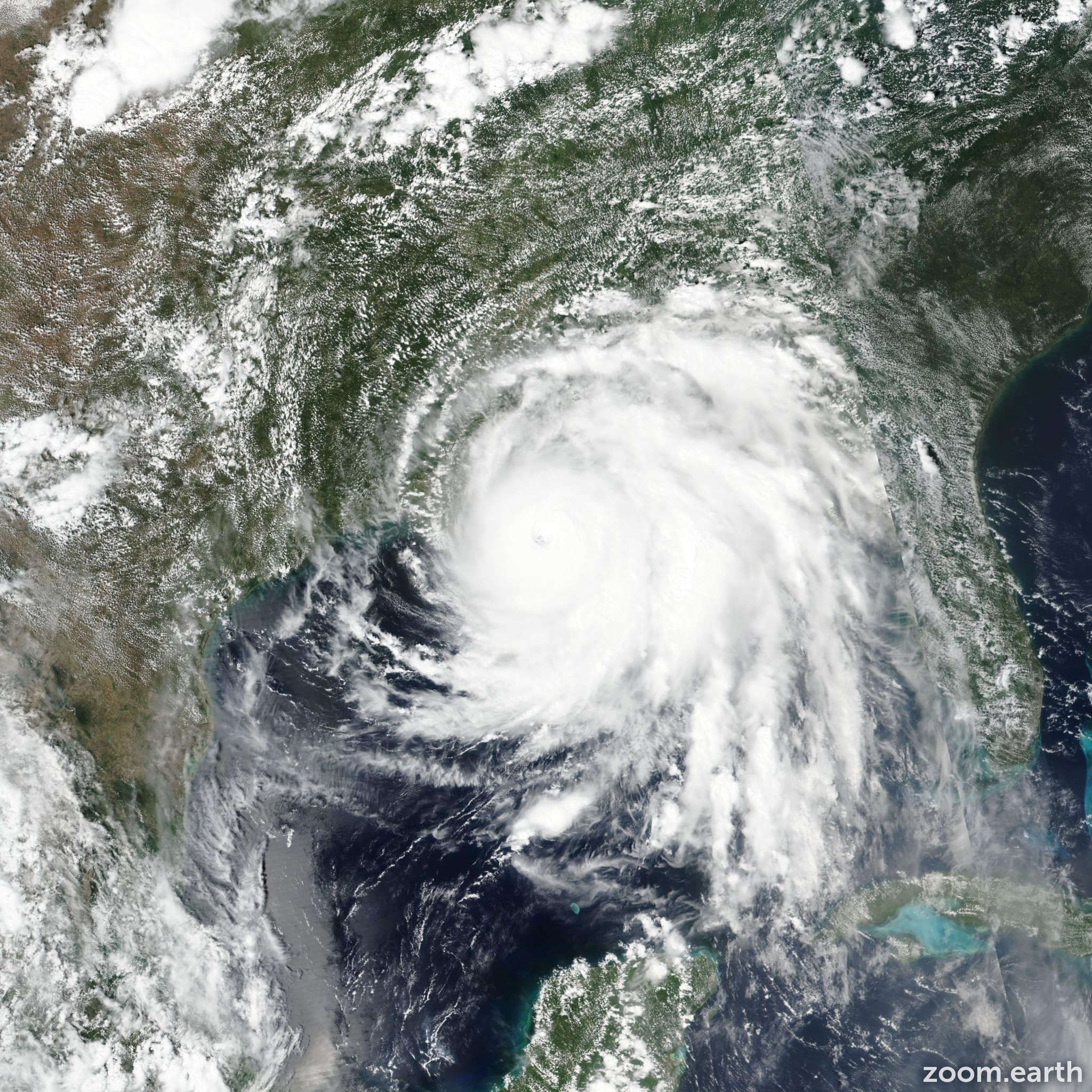
Category 4 hurricanes represent a critical threshold in hurricane intensity. While not the most extreme storms, they cause catastrophic damage to infrastructure, pose significant mortality risk, and often trigger major disaster declarations. Understanding the likelihood of such landfalls informs insurance pricing, infrastructure investment decisions, emergency preparedness planning, and regional economic risk assessments. The 35% probability assigned by traders suggests meaningful but non-dominant risk—neither dismissive of the hazard nor treating it as a near-certainty.
Key Factors
Historical data provides the primary anchor for this probability estimate. The United States has experienced Category 4 landfalls at irregular intervals; recent decades have seen storms like Hurricane Charley (2004) and Hurricane Laura (2020) make landfall at or near Category 4 intensity, though extended periods can pass without such events. Climate variables including sea surface temperatures, atmospheric wind shear patterns, and the Atlantic Multidecadal Oscillation influence the likelihood of major hurricane development and intensification. The resolution criteria hinge on National Hurricane Center official advisories at the moment of landfall, introducing a technical dimension—storms can rapidly weaken during landfall, making the timing of intensity classification significant. Geographic vulnerability varies substantially; the Gulf Coast and southeastern Florida remain the regions most exposed to major hurricane landfalls based on historical track patterns.
Outlook
The market's 35% probability reflects neither complacency nor alarm, positioning Category 4 landfall as a material but uncertain risk over the three-year window. Traders would likely reassess this probability if broader climate signals shifted—notably, sustained increases in Atlantic sea surface temperatures or changes to typical wind shear patterns could push odds upward. Conversely, a particularly active landfall season without Category 4 intensity storms could lower expectations. The stable pricing over the past 24 hours suggests the market has settled on current probability estimates absent new meteorological data or seasonal forecasts that would prompt material repricing.