Market Overview
The prediction market for a Category 4 hurricane landfall in the United States through the end of 2026 is trading at 34.0%, unchanged from the previous day despite over $315,000 in trading volume. This probability translates to roughly one in three odds that at least one storm meeting the definition—maximum sustained winds of 130-156 mph—will make landfall on the mainland US coast within the roughly three-year window. The stable price suggests market participants have reached a consensus on the likelihood, with no recent developments shifting the underlying assessment.
Why It Matters
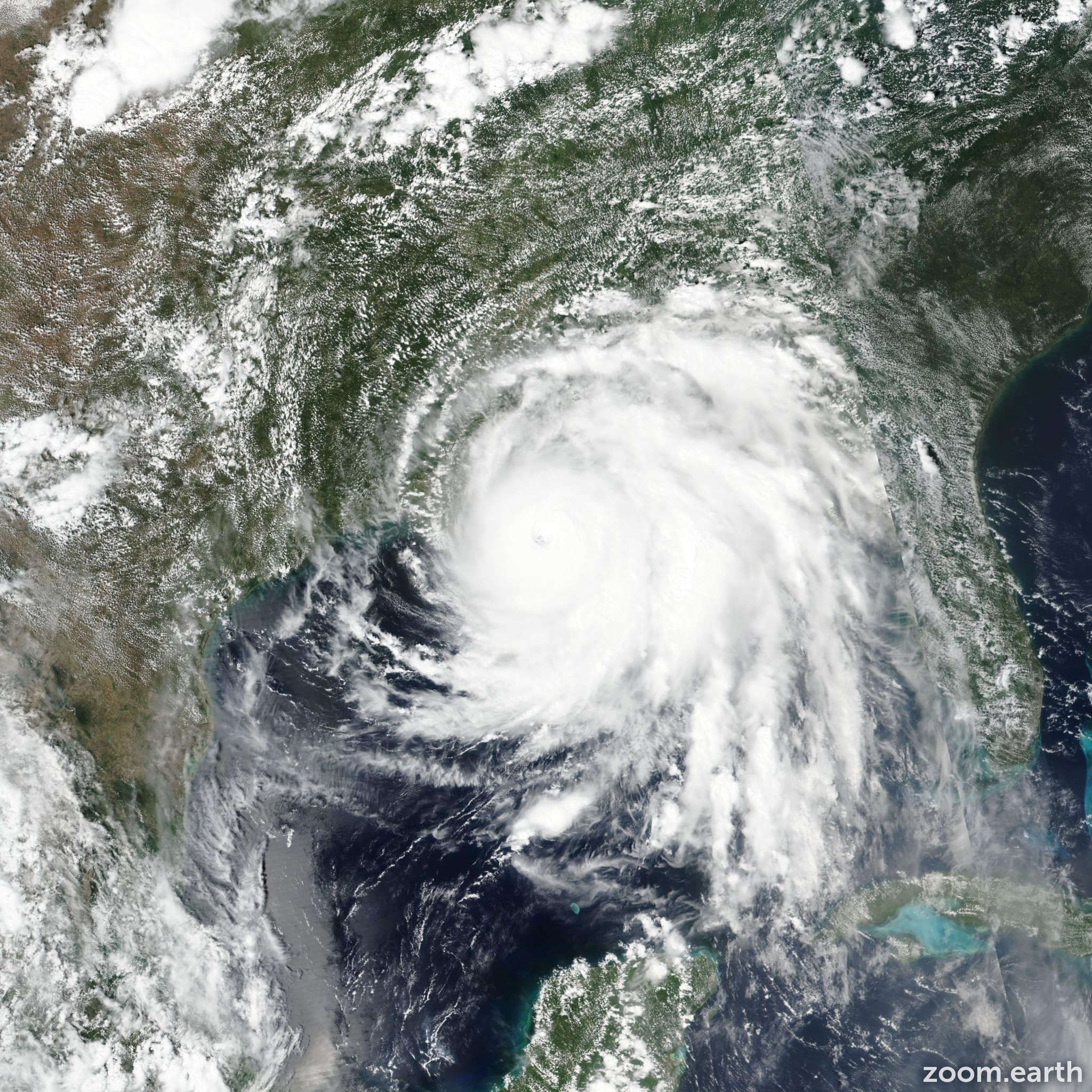
Category 4 hurricanes represent among the most destructive storms, capable of producing catastrophic damage to infrastructure, widespread power outages lasting weeks, and significant loss of life. Understanding the probability of such landfalls informs insurance pricing, infrastructure investment decisions, coastal development policy, and disaster preparedness planning. The market probability provides a quantified baseline for how likely extreme hurricane events are in the near term—information relevant to insurers, property owners, government agencies, and emergency management officials. The 34% figure is notably higher than zero, indicating material risk that planners must account for.
Key Factors
Historical precedent provides the primary anchor for the current odds. The National Hurricane Center data shows that Category 4 or stronger hurricanes making US mainland landfall occur irregularly but not rarely—roughly every few years on average. The specific window (roughly 2024-2026) spans the duration of an active portion of the Atlantic hurricane cycle, though hurricane seasons vary significantly in intensity year to year. Water temperature, atmospheric conditions, El Niño or La Niña patterns, and other climatological factors influence season strength, but these remain difficult to predict years in advance with high confidence. The market's 34% probability reflects this underlying uncertainty: it is high enough to represent genuine risk but low enough to acknowledge that landfall of a Category 4 is not the most likely outcome.
Outlook
The probability may shift based on several developments over the coming years. Real-time hurricane seasons will provide empirical data—an unusually active 2024 or 2025 Atlantic season with multiple major hurricanes could increase odds, while quiet seasons would lower them. Seasonal forecasts issued by the National Oceanic and Atmospheric Administration in the coming years may also influence market pricing if they project above- or below-average activity. As the deadline approaches, passage of time without a qualifying landfall will mechanically increase the odds required for the market to reach resolution, creating a natural reassessment closer to December 2026. For now, the 34% level suggests the market views a Category 4 landfall as a meaningful but not dominant risk over the three-year horizon.