Market Overview
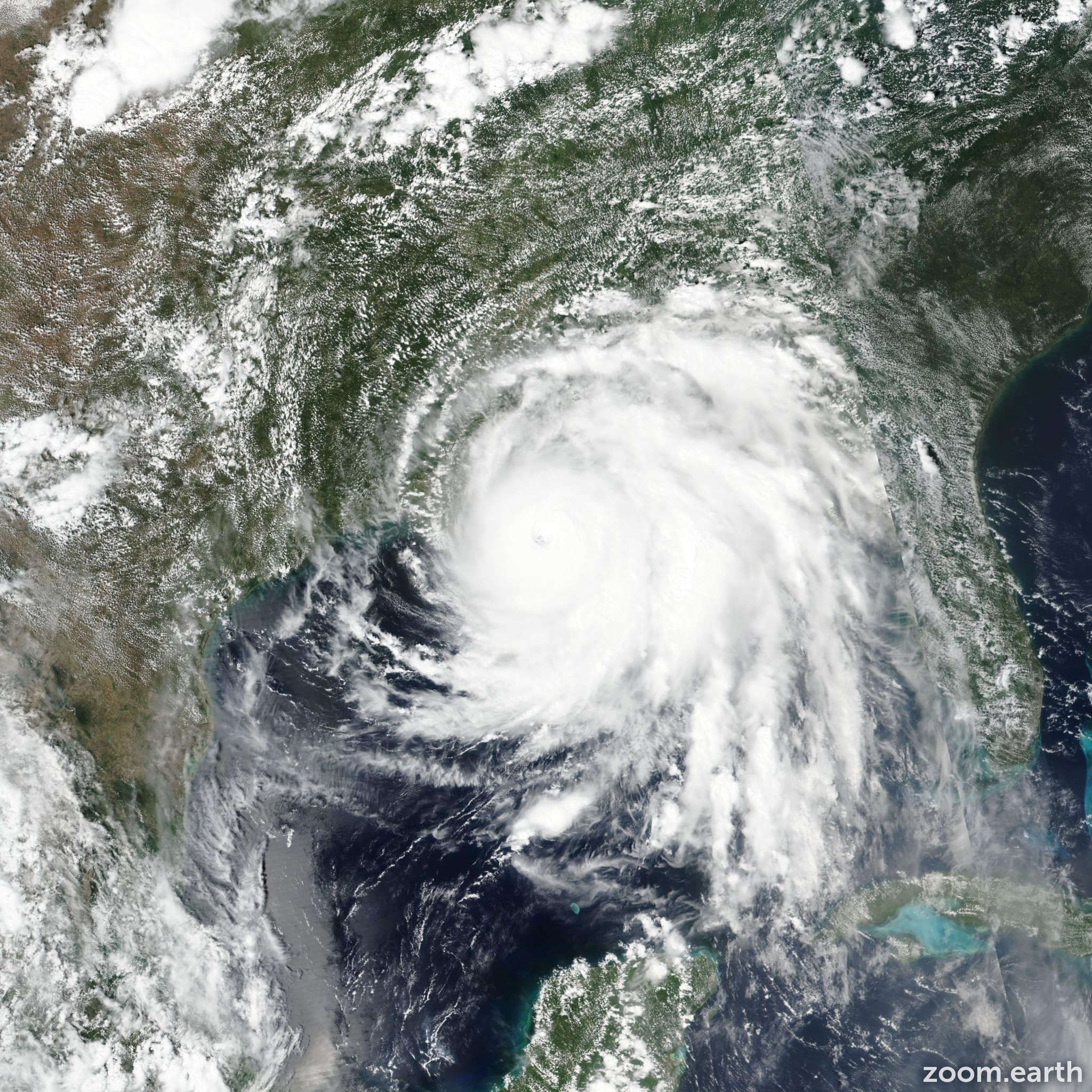
The prediction market on US Category 4 hurricane landfalls is trading at 35% probability, implying roughly a one-in-three chance that such an event occurs within the next two years. With $326,300 in volume and stable pricing over the past 24 hours, the market reflects a settled consensus among participants. The question specifically targets storms with maximum sustained winds between 130-156 mph making landfall on the continental United States, as officially documented by National Hurricane Center advisories through December 31, 2026.
Why It Matters
Category 4 hurricanes represent the second-highest tier on the Saffir-Simpson scale and typically cause catastrophic damage, including severe structural failure of buildings and widespread power outages lasting weeks or months. Understanding the probability of such landfalls informs insurance pricing, emergency preparedness planning, and climate risk assessment. The 35% market probability offers a quantifiable baseline for comparing against other risk assessments and provides a real-money test of collective forecasting ability in an area where stakes—both financial and human—are material.
Key Factors
Historical hurricane data forms the foundation for this market's pricing. The United States has experienced Category 4 landfalls approximately once per decade on average over the past century, though frequency varies considerably by decade and region. The two-year resolution window (through end of 2026) encompasses two full Atlantic hurricane seasons, which typically peak in late summer and fall. Sea surface temperatures, atmospheric conditions, and the Atlantic Multidecadal Oscillation influence seasonal hurricane activity, though long-range predictability remains limited beyond six months. Additionally, climate change is modifying hurricane behavior in complex ways—some research suggests fewer total storms but potentially more intense ones, though this remains an active area of scientific debate.
Outlook
Market participants appear to view a one-in-three probability as appropriately calibrated to the historical baseline adjusted for current conditions. Movement in this market could follow a seasonal pattern, with probabilities potentially rising during peak hurricane season months (August-October) when atmospheric conditions are most favorable. Near-term shifts would likely require either significant changes in seasonal hurricane outlooks from NOAA, major shifts in sea surface temperature patterns, or developments in climate modeling that alter expectations about storm intensity. The market's stability suggests broad agreement on the underlying base rate, with meaningful repricing more likely to occur closer to major hurricane seasons or if meteorological conditions show substantial departures from historical norms.