Market Overview
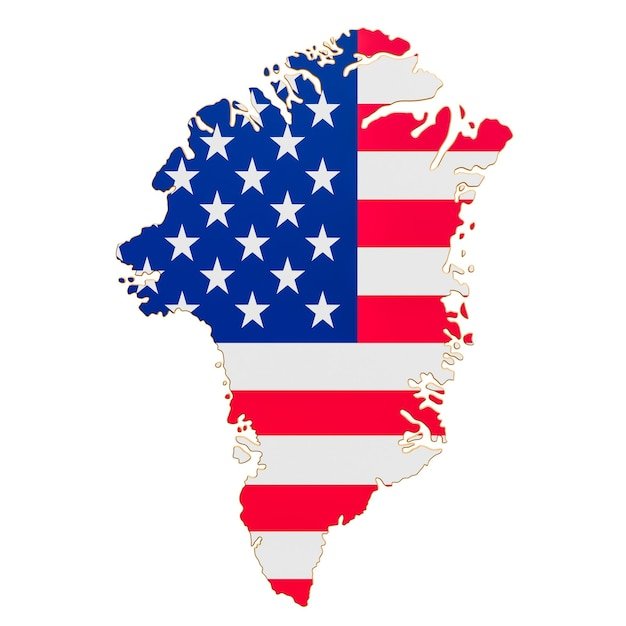
Prediction markets are pricing a 15.5% probability that the United States will acquire control of any land territory in Greenland by December 31, 2026. The market, which has generated approximately $9.6 million in trading volume, applies a narrow definition of \"acquisition\"—requiring a binding agreement or legal instrument that transfers sovereignty or establishes exclusive US jurisdiction over a defined area. Simple statements, negotiations, or non-binding frameworks do not qualify. The probability has remained stable at this level over the past 24 hours, suggesting market participants view the odds as neither rising nor falling sharply in the near term.
Why It Matters
The question touches on a geopolitically sensitive issue involving Arctic sovereignty, Danish sovereignty over Greenland, and Greenlandic self-determination. Any formal US acquisition would represent a significant realignment of territorial control in the Arctic region and would require unprecedented diplomatic action. The high barrier set by the resolution criteria—requiring binding legal instruments rather than proposals or negotiations—reflects the reality that such a transfer would be extraordinarily complex, requiring agreement from both Denmark and the autonomous territory of Greenland. The outcome carries implications for Arctic strategy, NATO relations, and the balance of power in the North Atlantic.
Key Factors
Several factors underpin the 15.5% assessment. First, there is no current binding agreement or legal instrument between the US and Denmark/Greenland that would satisfy resolution criteria. Second, Denmark has repeatedly and firmly rejected the notion of ceding Greenlandic territory, and Greenland's government has similarly dismissed such proposals. Third, the resolution timeline—just over two years—is extremely compressed for what would require constitutional changes in Denmark, shifts in Greenlandic policy, and complex international negotiations. However, the non-zero probability reflects uncertainty around several elements: the possibility of a dramatic shift in Greenlandic political sentiment toward independence and closer US alignment, the unpredictability of geopolitical crises that could alter Arctic priorities, and the difficulty of forecasting negotiating outcomes in an uncertain international environment. Military acquisition through force remains technically possible under the resolution criteria, though markets assess this as highly unlikely given current geopolitical norms.
Outlook
For the probability to move significantly higher, markets would need to see concrete evidence of movement toward a binding agreement—such as legislation introduced in the US Congress, formal Danish-US negotiations, or a substantial shift in Greenlandic political positioning. The current 15.5% level appears to reflect a consensus that while acquisition remains theoretically possible, the political, legal, and diplomatic obstacles are formidable enough to make it a low-probability event within the specified timeframe. Any major geopolitical event, Arctic resource discovery, or unexpected political change in Greenland could alter this assessment, but absent such developments, the market appears to view acquisition as a remote possibility rather than a likely outcome.