Market Overview
The prediction market on Ukrainian territorial gains in Crimea by December 31, 2026, currently prices the outcome at just 7.5% probability, indicating market participants view such a recapture as unlikely within the specified window. The question has generated substantial liquidity, with over $2.5 million in trading volume, suggesting meaningful engagement despite the low implied odds. The probability has remained stable over the past 24 hours, pointing to a consensus view among traders rather than fluctuating sentiment.
Why It Matters
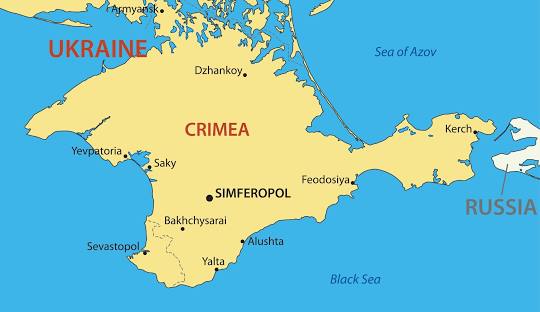
Crimea represents one of the most strategically important and symbolically significant territories in dispute. Annexed by Russia in 2014, the peninsula remains a core Ukrainian objective despite its distance from current active combat zones. A Ukrainian recapture—even partial—would represent a major shift in the conflict's trajectory and could signal fundamental changes in military capabilities, Russian resolve, or diplomatic dynamics. The market's framing, which counts any persistent territorial gain according to the Institute for the Study of War map, sets a relatively modest bar compared to full peninsula recapture, yet traders still assess this outcome as improbable.
Key Factors
The current military situation heavily influences these odds. Ukrainian forces currently lack the naval capability to mount amphibious operations across the contested waters separating the mainland from Crimea, and Russia maintains significant defensive positions across the peninsula. The 19-month timeframe remaining until the resolution date—roughly through 2026—requires either dramatic military reversal favoring Ukraine or negotiated settlement involving actual Ukrainian control. Additionally, Russia's strategic importance assigned to Crimea, demonstrated by sustained investment in its defense, makes voluntary Russian withdrawal or negotiated cession highly unlikely absent major geopolitical shifts. The market accounts for these realities by assigning roughly 7-in-1000 odds to the proposition.
The inclusion of negotiated settlements in the resolution criteria introduces a secondary pathway to \"Yes,\" though one requiring not merely a peace agreement but actual Ukrainian assumption of territorial control. This broadens the theoretical scenarios slightly beyond military recapture alone, yet market pricing suggests traders view even this expanded pathway as improbable given current negotiating positions and Russian objectives.
Outlook
Movements in this market would likely track major developments in overall conflict dynamics—significant Ukrainian military breakthroughs, major shifts in international support, or substantive peace negotiations involving Crimea. Absent such catalysts, the low odds suggest a market view that status quo conditions or trajectories slightly favoring continued Russian control will persist through 2026. Any credible reporting of Ukrainian military advances toward Crimea, meaningful changes to naval capabilities, or serious diplomatic initiatives specifically addressing the peninsula could prompt probability reassessment, but current pricing reflects skepticism toward such developments materializing within the timeframe.