Market Overview
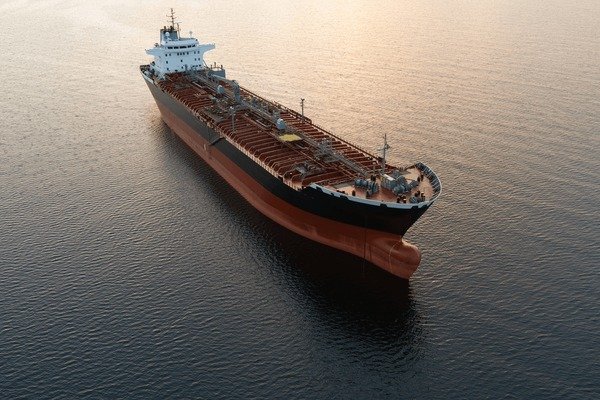
Prediction market traders have priced the likelihood of U.S. forces seizing an oil tanker or oil-transporting vessel by April 30, 2026, at virtual certainty—100% probability—with substantial trading volume of $5.35 million supporting this consensus. The market has maintained this level consistently over the past day, indicating stable conviction rather than reactive pricing to recent news. The high probability reflects expectations that U.S. government forces, including the military, Coast Guard, law enforcement, and intelligence contractors, will conduct at least one seizure of an oil-carrying vessel within the specified timeframe.
Why It Matters
U.S. seizures of oil tankers and maritime vessels typically occur in pursuit of sanctions enforcement, counterterrorism operations, or efforts to prevent the transport of oil that violates international law or feeds hostile actors. These operations have become recurring features of U.S. foreign policy, particularly in regions like the Persian Gulf, the Red Sea, and waters off Iran. The outcome of this market carries implications for understanding both U.S. maritime enforcement capacity and the persistence of illicit oil trade networks that authorities attempt to intercept. For traders, the market signals high confidence in the baseline expectation that such enforcement will continue as routine policy.
Key Factors
Several factors support the near-certain pricing. First, U.S. forces have conducted multiple oil tanker seizures in recent years as part of sanctions regimes against Iran and other actors, establishing a pattern of regular enforcement activity. Second, the 16-month timeframe is substantial—providing numerous opportunities for enforcement operations to occur during routine maritime patrolling and intelligence-led operations. Third, the broad definition of seizure in the market (boarding, custody, operational control, or rerouting) encompasses a wide range of operational scenarios, increasing the likelihood that qualifying events will occur. Fourth, geopolitical tensions and ongoing concerns about illicit oil shipments suggest enforcement priorities will remain active. The market's absolute certainty pricing suggests traders view the occurrence of at least one seizure as nearly inevitable given historical precedent and operational continuity.
Outlook
For the market to resolve \"No,\" a dramatic and sustained shift in U.S. maritime enforcement policy would be required—essentially a decision to halt oil tanker seizure operations entirely for over a year. This would represent a significant departure from established practice and would require explicit policy change. Conversely, even a single qualifying seizure triggers a \"Yes\" resolution, setting a low threshold. Traders should monitor geopolitical developments, sanctions policy announcements, and any official statements regarding maritime enforcement priorities that might signal operational changes, though current pricing suggests market participants view such reversals as highly unlikely. The certainty pricing reflects not optimism or pessimism about U.S. policy, but rather the baseline assumption that existing enforcement operations will continue as normal.


