Market Overview
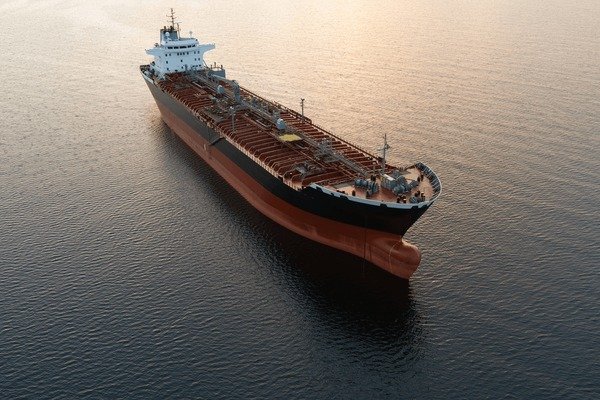
The prediction market on U.S. oil tanker seizures is currently priced at absolute certainty, with traders assigning a 100% probability that U.S. government forces will seize at least one oil-carrying vessel before April 30, 2026. With over $5.3 million in volume, the market indicates near-universal trader conviction that this outcome is inevitable rather than contingent. The stable probability over the past 24 hours suggests this consensus has solidified among market participants.
Why It Matters
U.S. maritime enforcement actions involving oil tankers carry significant geopolitical and sanctions-compliance implications. These seizures typically occur in response to sanctions violations, particularly against countries like Iran, Venezuela, or Syria, or in relation to broader national security operations. The high certainty reflected in this market suggests traders view such enforcement actions not as exceptional events but as routine components of U.S. foreign policy and law enforcement. The 16-month timeframe provides a lengthy window—long enough that even a single enforcement action would resolve the market affirmatively.
Key Factors
Several factors support the market's high conviction. First, U.S. forces have a documented history of seizing oil tankers in recent years, particularly vessels carrying sanctioned Iranian crude oil. Second, the definition in this market is broad, encompassing not only physical seizures but also boarding, detention, and rerouting—a lower threshold than outright confiscation. Third, the timeframe is substantial at 16 months, reducing the likelihood that no enforcement action occurs during the period. Finally, ongoing geopolitical tensions and sanctions regimes create persistent conditions under which such seizures remain operationally likely. The resolution standard of \"credible reporting\" adds flexibility, as major enforcement actions are typically well-documented by international media and official sources.
Outlook
For the market to resolve \"No,\" U.S. forces would need to abstain entirely from maritime enforcement actions involving oil tankers for over a year—a scenario traders currently view as highly improbable. While the 100% price reflects extreme confidence rather than mathematical certainty, it suggests that market participants see few realistic paths to non-resolution. Potential shifts would likely require either major changes in U.S. foreign policy and sanctions enforcement priorities, significant de-escalation in relevant geopolitical conflicts, or a substantial narrowing of sanctions programs. Short of such developments, the current pricing appears to reflect the baseline expectation that routine enforcement operations will continue.