Market Overview
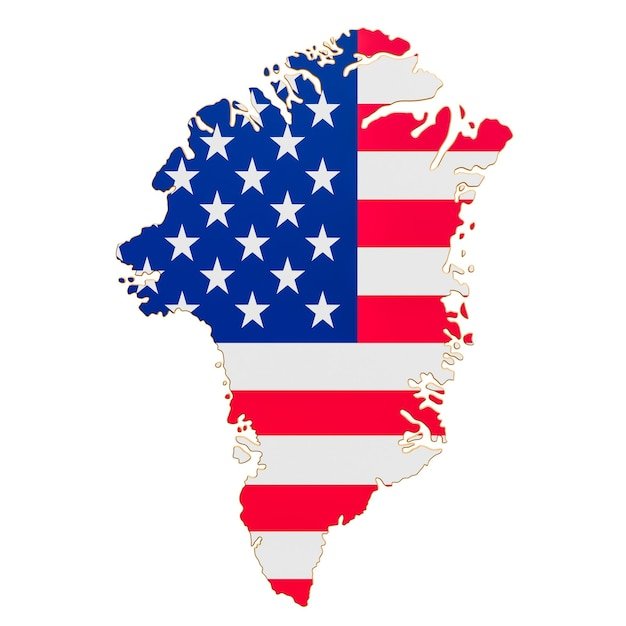
Prediction markets are currently pricing the probability of a U.S. military invasion of Greenland in 2026 at 6.5%, with substantial trading activity totaling approximately $1.35 million. This represents a meaningful but modest probability—roughly a 1-in-15 chance—of a scenario that would constitute an unprecedented geopolitical rupture between the United States and Denmark, a NATO ally.
Why It Matters
The question reflects broader anxieties about U.S. Arctic strategy and strategic competition over polar resources. Greenland's geographic position, mineral wealth, and potential military value in Arctic operations have attracted growing international attention. However, an actual military invasion would mark a radical departure from post-World War II international norms and would likely trigger severe diplomatic and economic consequences, including NATO fragmentation. The market's willingness to assign even a 6.5% probability to such an event signals that traders perceive non-trivial uncertainty around U.S. Arctic ambitions and leadership intentions.
Key Factors
Several factors sustain the market's elevated baseline. Recent public interest in Greenland acquisition—whether through purchase or control—by U.S. officials has kept the topic in policy discourse, providing at least rhetorical foundation for market activity. The market's four-year resolution window extends into 2026, allowing time for unforeseen geopolitical escalation, Arctic resource competition intensification, or shifts in U.S. strategic doctrine. Additionally, prediction market participants may be pricing in tail risks and uncertainty about future leadership preferences rather than assessing current policy trajectories. The absence of any near-term credible escalation path suggests that most probability mass reflects low-confidence speculation rather than informed forecasting.
Outlook
For the probability to materially increase, several developments would need to occur: major shifts in U.S. Arctic policy, deterioration of U.S.-Denmark relations, emergence of strategic imperatives that U.S. leadership perceives as unachievable through negotiation, or geopolitical crises that destabilize the Arctic region. Conversely, continued status quo relations, explicit U.S. commitments to NATO solidarity, or diplomatic progress on Arctic resource sharing could compress probabilities further. The current 6.5% level suggests markets view the scenario as a legitimate tail risk worthy of insurance pricing rather than a plausible base case.