Market Overview
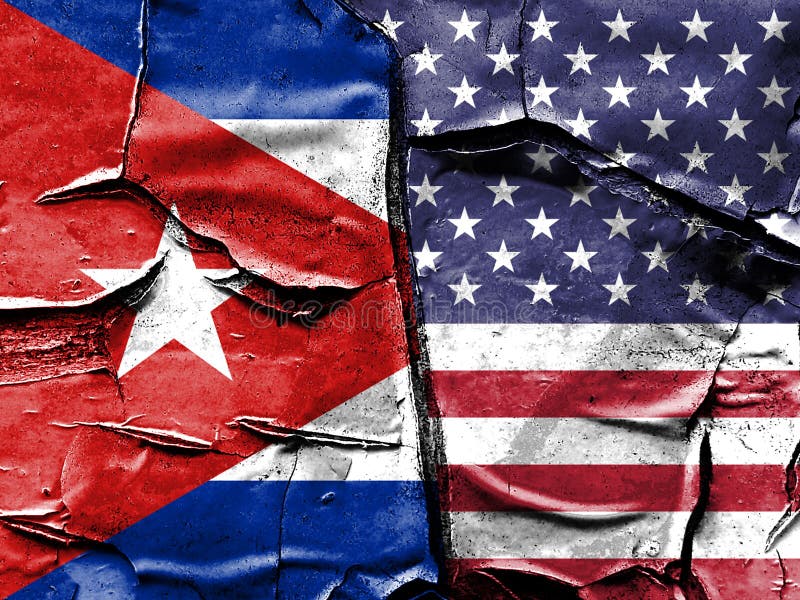
Prediction markets currently price the likelihood of a U.S. military invasion of Cuba in 2026 at 26.5%, with volume exceeding $1.5 million indicating substantial trader interest. This probability sits well above historical baselines, suggesting market participants view military intervention as a genuine tail risk rather than a negligible possibility. The stable pricing over the past 24 hours indicates the market has reached a near-consensus view absent new triggering events.
Why It Matters
The probability reflects a scenario that would constitute one of the most significant geopolitical events in decades, with implications extending far beyond the Caribbean. A U.S. invasion of Cuba would represent a dramatic escalation from current policy, reshape hemispheric relations, and likely trigger international condemnation. The market's willingness to assign meaningful odds to this outcome—rather than near-zero probability—indicates traders are incorporating non-trivial risks that policymakers acknowledge but publicly downplay.
Key Factors Driving Current Probability
Several factors appear to underpin the 26.5% assessment. Deteriorating U.S.-Cuba relations, including recent statements from U.S. political figures, elevated rhetoric around regime change, and broader regional tensions have likely contributed to elevated odds. The market may also be pricing in longer-term instability or internal political developments in Cuba that could trigger U.S. intervention claims. Additionally, the two-year timeframe (through end of 2026) provides sufficient temporal runway for circumstances to shift materially from current conditions. Some portion of the probability likely reflects broader geopolitical volatility and uncertainty around future administrations' foreign policy orientations.
Outlook
For probabilities to shift materially upward, markets would likely require evidence of explicit military preparations, major internal destabilization in Cuba, or a dramatic escalation in U.S. political rhetoric toward intervention. Conversely, normalization of relations, domestic political constraints on military action, or demonstrated commitment to diplomatic approaches could pressure odds lower. Given the magnitude of resources required for an invasion and the political costs involved, the 26.5% probability suggests traders view intervention as a low-but-real possibility dependent on scenarios outside the current baseline trajectory.