Market Overview
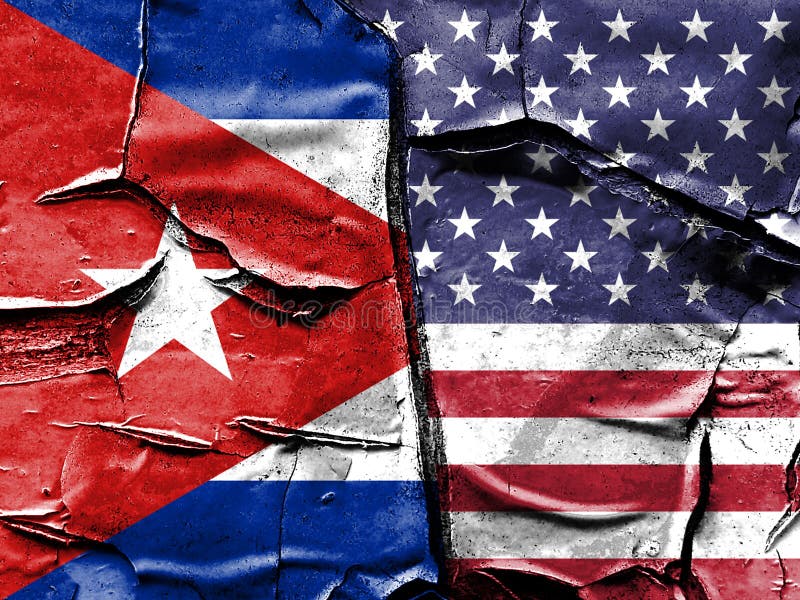
Prediction market participants are currently assessing the probability of a U.S. military invasion of Cuba by the end of 2026 at 26.5%, according to trading activity worth approximately $1.53 million in volume. This odds level suggests traders view military intervention as a meaningful but unlikely scenario—more plausible than a rare tail risk, yet less probable than not occurring. The probability has held steady over the past 24 hours, indicating no recent catalyst has materially shifted sentiment among traders.
Why It Matters
U.S.-Cuba relations remain one of the most fraught bilateral dynamics in the Western Hemisphere, combining Cold War-era tensions with modern geopolitical competition. A military invasion would represent an extraordinary escalation and would trigger international condemnation, potential regional destabilization, and cascading economic and security consequences. The market's 26.5% probability therefore captures meaningful uncertainty about how U.S. policy toward Cuba could evolve under different political administrations and in response to potential crises. For policymakers, investors, and regional observers, this market signal reflects non-trivial perceived risk within a compressed timeframe.
Key Factors
Several variables likely underpin the current odds. Domestic U.S. politics—particularly within Florida, a key electoral state with significant Cuban-American constituencies—has historically influenced Cuba policy. Presidential elections in 2024 and potential shifts in administration priorities through 2026 could alter rhetoric and posture toward the island. Additionally, any significant incident involving U.S. interests, alleged Cuban military provocation, or regional instability could serve as a pretext for policy escalation. Conversely, diplomatic thawing or economic engagement could reduce invasion probability. International constraints, including allied opposition and UN mechanisms, would also bear on any such decision. The 26.5% figure suggests traders believe these escalatory risks outweigh the substantial institutional, diplomatic, and economic barriers to military action.
Outlook
The prediction market is positioned to reflect major developments in U.S.-Cuba relations through 2026. Shifts in U.S. political leadership, incidents at sea or involving defectors, Cuban government actions, or broader hemispheric crises could all move the needle. Traders should monitor statements from U.S. policymakers, any military posturing in the Caribbean, and diplomatic initiatives—or their absence—as signals of changing probability. The current 26.5% probability represents a snapshot of moderately elevated but still unlikely risk, leaving substantial room for movement in either direction as the year unfolds.