Market Overview
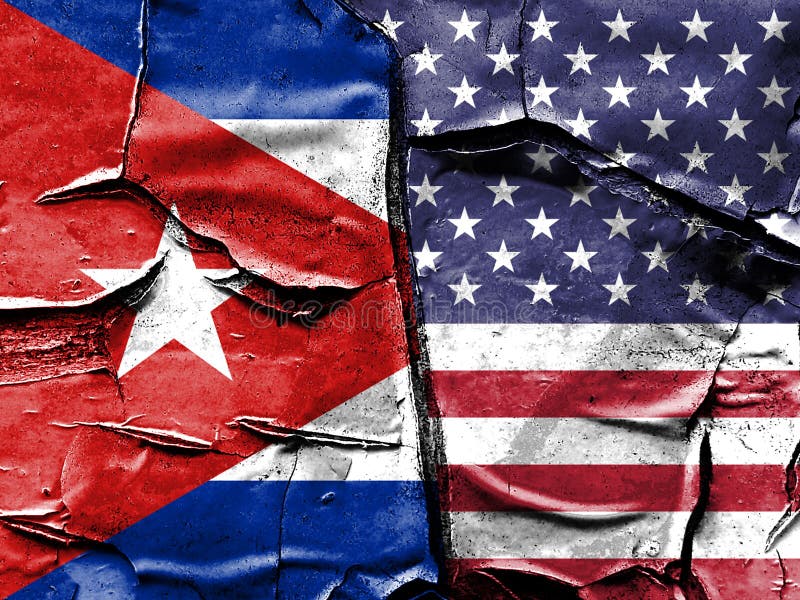
Prediction markets are currently assigning a one-in-four chance that the United States will launch a military invasion of Cuba within the next year, according to data from a well-capitalized betting platform. The 26.5% probability reflects a scenario that most foreign policy analysts would characterize as unlikely under baseline conditions, yet traders have committed substantial capital—nearly $1.6 million in total volume—to positions on both sides of the question. The stable probability over the past 24 hours suggests the market has settled into an equilibrium reflecting current geopolitical conditions rather than responding to breaking news.
Why It Matters
A U.S. military invasion of Cuba would represent one of the most significant geopolitical events in the Western Hemisphere in decades, with cascading implications for regional stability, international law, and relations with major powers like Russia and China, both of which maintain strategic interests in the island nation. The resolution criteria explicitly require a military offensive \"intended to establish control over any portion of Cuban land territory,\" setting a high bar that excludes limited strikes or humanitarian interventions. Understanding what traders perceive as plausible pathways to such an outcome—however improbable—illuminates how markets assess tail risks in an uncertain strategic environment.
Key Factors
Several structural factors appear to be supporting the non-trivial probability assigned to this scenario. The U.S. has a historically fraught relationship with Cuba spanning six decades, including the failed Bay of Pigs invasion and sustained trade embargoes. Current migration crises, maritime incidents, and alleged espionage operations have periodically elevated bilateral tensions. The market may be pricing in multiple low-probability catalysts: an escalating security crisis attributed to Cuban government actions, a major terrorist attack traced to Cuban soil, or a dramatic shift in U.S. political leadership toward more hawkish foreign policy positions. Additionally, traders may be assigning some probability to cascading regional conflicts or humanitarian emergencies that could theoretically create political pressure for military intervention.
Outlook
For the probability to materially shift upward from current levels, markets would likely require observable changes in U.S. military positioning, explicit policy statements from senior government officials, or acute triggering events in Cuba itself. Conversely, sustained diplomatic engagement, stability in the bilateral relationship, or evolving U.S. strategic priorities elsewhere could gradually reduce the assigned probability. The current 26.5% figure represents the market's view that while a Cuba invasion remains highly improbable under present circumstances, the combination of historical tensions, unpredictable policy shifts, and unforeseeable crises creates sufficient tail risk to justify meaningful odds. Traders will likely monitor changes in U.S. government composition, military readiness postures, and bilateral incidents as the market develops over the coming months.