Market Overview
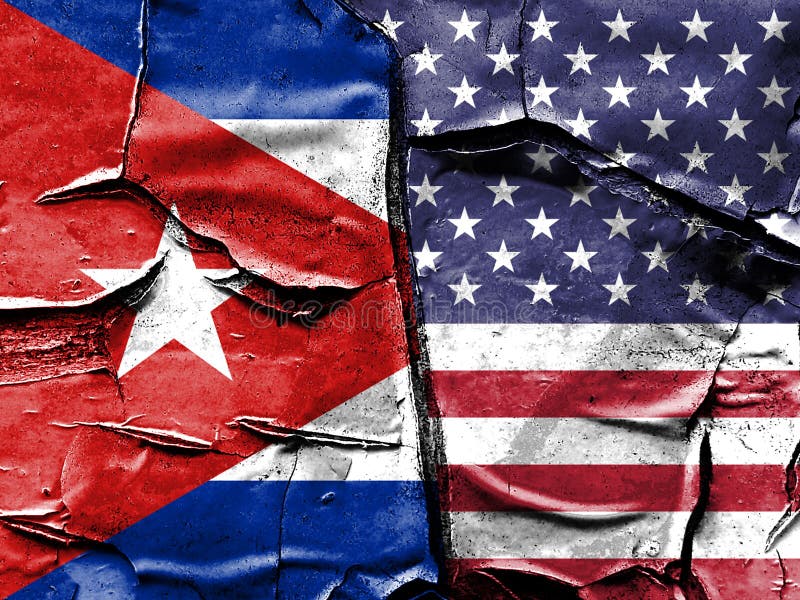
Prediction markets are currently assigning a 26.5% probability to a U.S. military invasion of Cuba occurring within the next 12 months. With substantial trading volume of $1.53 million, the market reflects active engagement from traders assessing the likelihood of such a consequential geopolitical event. The probability has remained stable over the past 24 hours, indicating that traders have largely settled on a consensus view of the risk level.
Why It Matters
A military invasion of Cuba would represent one of the most significant U.S. military interventions since the Cold War era. Such an action would dramatically reshape hemispheric relations, potentially trigger international responses, and carry substantial military, economic, and humanitarian consequences. The 26.5% probability—suggesting roughly 1-in-4 odds—indicates that prediction market participants view the scenario as genuinely possible rather than remote, even though it remains more likely than not to be avoided.
Key Factors
Several factors appear to be driving this elevated probability estimate. Contemporary U.S.-Cuba relations remain notably tense, with ongoing diplomatic friction and unresolved historical grievances. The current U.S. political environment and evolving regional security dynamics in the Caribbean, particularly regarding potential threats or instability on the island, may inform traders' assessments. Additionally, the definition of the market—which specifies \"any portion of Cuban land territory\"—captures scenarios ranging from limited military operations to full-scale invasion, broadening the conditions that could trigger resolution to \"Yes.\"
The substantial trading volume suggests this probability reflects genuine deliberation rather than speculative outliers. However, it remains crucial to note that prediction market probabilities, while often informative, depend heavily on trader composition and information asymmetries.
Outlook
Monitoring this market will require attention to several potential catalysts: significant escalation in U.S.-Cuba hostilities, regional security incidents, or major shifts in U.S. political leadership and military doctrine. Any substantial developments in diplomatic relations or Caribbean security posture could shift the implied probability. Traders will likely recalibrate their assessments based on official policy statements, military positioning near Cuba, and international diplomatic activity throughout the coming months.