Market Overview
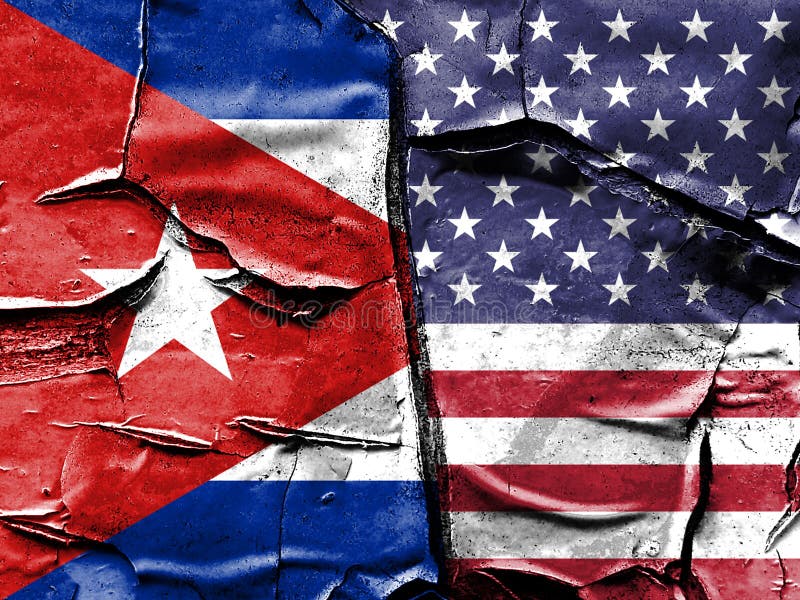
Prediction markets are currently assigning a 26.5% probability to a U.S. military invasion of Cuba within the next 14 months, according to the terms defining such an action as a commenced military offensive intended to establish control over Cuban land territory. The market has attracted nearly $1.53 million in trading volume, indicating meaningful engagement from participants despite the relatively contained nature of the question's timeframe. The probability has remained stable over the past 24 hours, suggesting the market has settled into a relatively stable equilibrium around current geopolitical conditions.
Why It Matters
While military intervention in Cuba remains a low-probability event, the 26.5% odds reflect genuine uncertainty about escalatory pathways in U.S.-Cuba relations. Such an invasion would represent a dramatic geopolitical shift with implications for regional stability, international law, and the global balance of power. The fact that roughly one market participant in four believes this outcome is possible within 14 months underscores the potential for unexpected crises or policy shifts to alter the strategic calculus between Washington and Havana.
Key Factors
Several considerations appear to be anchoring this probability level. The current U.S. administration's posture toward Cuba, existing sanctions regimes, and the broader context of U.S.-Latin American relations all factor into the baseline assessment. Additionally, developments in Venezuela—where the U.S. has previously contemplated intervention—may influence perceptions of willingness to conduct military operations in the region. The 26.5% probability likely incorporates both base-rate skepticism about such military action occurring and non-trivial tail-risk scenarios involving domestic political shifts, security crises at Guantanamo Bay, or cascading regional instability that could alter cost-benefit calculations for U.S. policymakers. The specific resolution criteria—requiring establishment of control over Cuban land territory—also sets a meaningful threshold that excludes minor incursions or limited strikes.
Outlook
The market's stability suggests participants view the current probability as appropriately reflecting available information and geopolitical conditions. Movements in this market would likely require either significant escalation in U.S.-Cuba tensions, major changes in the U.S. political environment, or unexpected security developments in the Caribbean region. The timeframe through 2026 remains subject to domestic U.S. election dynamics and potential shifts in foreign policy priorities that could reshape the strategic environment.