What Happened
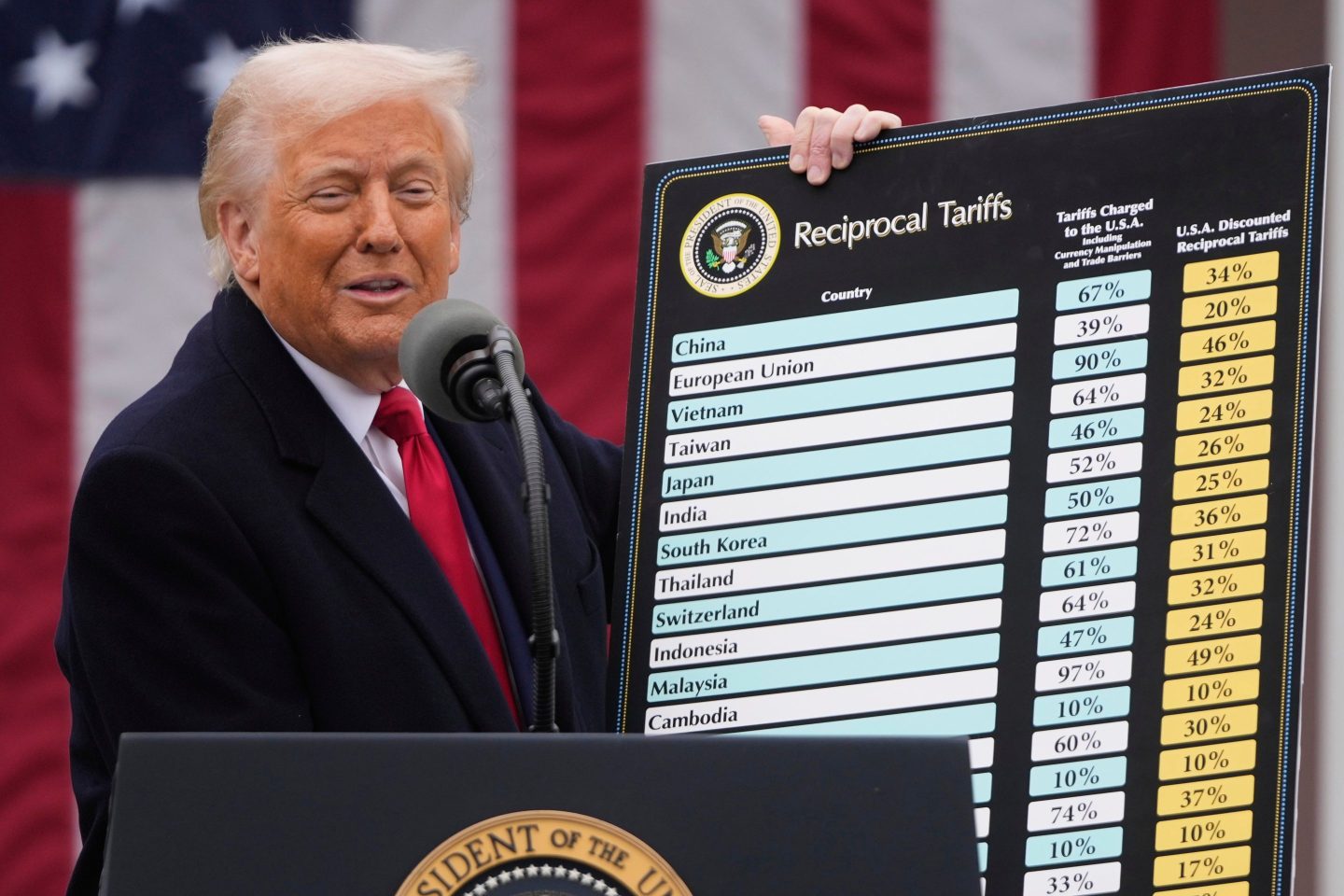
On May 28, 2025, the U.S. Court of International Trade issued a ruling invalidating several major Trump tariff measures, including the \"Liberation Day\" tariffs imposing a blanket 10% levy on all imports with country-specific rates reaching 50%. The court found the Trump administration exceeded its authority under the International Emergency Economic Powers Act (IEEPA) in imposing the broad measures, which also targeted Canadian, Mexican, and Chinese goods. The administration subsequently filed a single consolidated appeal titled V.O.S. Selections, Inc. v. United States.
A prediction market tracking whether importers will receive refunds contingent on appeal denial moved significantly following the ruling. Odds climbed 16 percentage points to 64% over the period, on $367,424 in trading volume. The market requires two conditions for a \"Yes\" resolution: the Trump administration's appeal must be denied in whole or in part, and importers must receive actual refunds—not merely announcements or court orders to refund—by June 30, 2026.
Why It Matters
The Court of International Trade ruling represents a substantive legal challenge to the administration's tariff authority, signaling potential weaknesses in its legal theory. Market participants interpreted the concrete judicial determination as meaningful new information, driving a 33% proportional increase in refund probability. The distinction between the court's invalidation and actual refund issuance is material: the market conditions resolution on both appeal denial and actual payment, creating a narrower path than appeal loss alone would suggest.
For importers, a successful appeal denial could unlock recovery of tariffs already collected. The ruling's scope—blocking multiple tariff categories—means potential refund sums could be substantial if the appeal fails and Treasury or Customs moves to repay collected duties within the 13-month window.
Market Context
The 48% starting price reflected meaningful uncertainty about the appeal's outcome, consistent with a genuinely uncertain legal question. The move to 64% suggests market participants weighted the Court of International Trade's reasoning as fairly probative of appellate panel inclinations, though substantial uncertainty remains. Trading volume at $367,424 indicates active price discovery rather than consensus, with bidders clearly divided on appeal prospects.
Outlook
Key developments to monitor include the appellate court's docket timing and any preliminary indications of its receptiveness to the administration's arguments. The market's focus on actual refund issuance—rather than appeal victory alone—introduces an implementation variable alongside legal outcome. Any signals from the Trump administration regarding appeal strategy or potential settlement discussions could move markets materially, as could appellate scheduling that suggests timing pressures for resolution before the June 30, 2026 deadline.