Market Overview
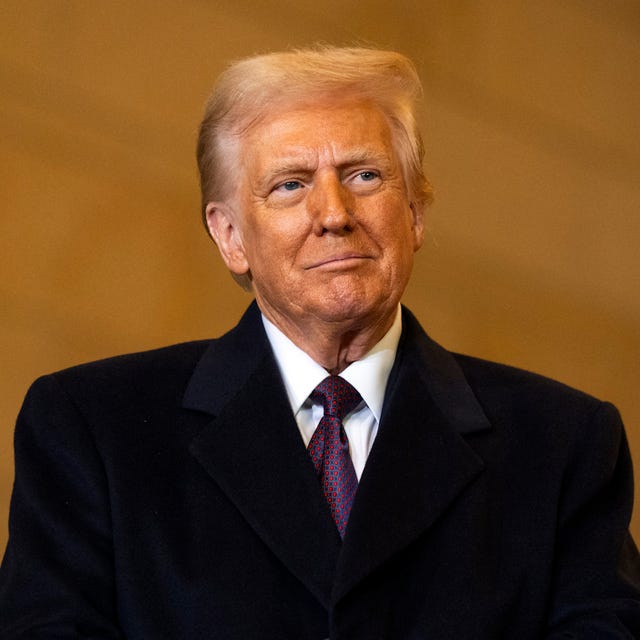
Prediction markets are currently assigning a 6.5% probability to Donald Trump winning the Nobel Peace Prize in 2026, with trading volume of $2.6 million indicating modest but sustained interest in the outcome. The probability has remained flat over the past day, suggesting the market has settled on a baseline assessment of Trump's chances. For context, a 6.5% probability implies that traders view Trump as a long-shot candidate but not entirely outside the realm of possibility, roughly comparable to betting odds of 15-to-1 against.
Why It Matters
The Nobel Peace Prize carries significant symbolic weight in global diplomacy and international relations. A Trump victory would be surprising given the prize's typical alignment with established international consensus and multilateral approaches to peace—domains where Trump has historically been a polarizing figure. The market's current pricing reflects the tension between Trump's documented diplomatic engagements, particularly his 2020 efforts to broker Middle East normalization agreements known as the Abraham Accords, and the broader international skepticism surrounding his candidacy. The prize's decision-making process, controlled by the five-member Norwegian Nobel Committee appointed by the Norwegian Parliament, introduces an institutional filter that has traditionally favored candidates reflecting liberal democratic and internationalist values.
Key Factors
Several variables could influence the probability over the coming months. Trump's geopolitical involvement between now and the 2026 award announcement—including any peace negotiations, diplomatic initiatives, or international agreements he might broker—would be central to his case. The identity and profile of competing candidates will also matter; if the field of contenders includes other high-profile peace advocates with stronger establishment credentials, Trump's relative position weakens. The market's acknowledgment that multiple individuals could be honored jointly, with Trump ranked first among five named candidates (ahead of Zelenskyy, Netanyahu, Putin, and Musk), adds complexity to the resolution criteria but does not fundamentally alter base probability assessments. Historical precedent suggests that controversial or divisive figures face structural disadvantages in Nobel Peace Prize selection, a factor likely already priced into current odds.
Outlook
The 6.5% probability is likely to fluctuate primarily in response to major geopolitical developments or Trump's own diplomatic activities rather than general sentiment shifts. Should Trump announce or facilitate a significant peace agreement—particularly in regions like Ukraine, the Middle East, or North Korea—market odds could shift upward. Conversely, escalatory rhetoric or military posturing could depress his chances further. Traders should monitor both Trump's activities and the composition of the field of other candidates as 2026 approaches. The market currently suggests that while Trump's track record in diplomacy is acknowledged, the Nobel Committee's historical preferences and the broader international political environment create substantial headwinds against his selection.