Market Overview
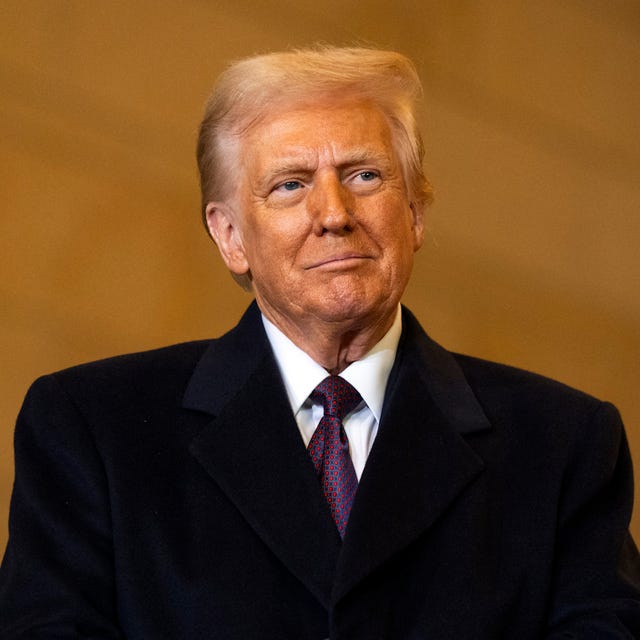
Prediction markets are pricing Donald Trump's chances of winning the 2026 Nobel Peace Prize at 6.5%, a modest probability that has remained stable over the past 24 hours despite the market's substantial $2.6 million in trading volume. This assessment reflects the market's baseline view that while Trump possesses a theoretical path to the award, significant structural and political obstacles make his selection unlikely. The Norwegian Nobel Committee has not previously awarded the prize to a sitting U.S. president or recently out-of-office American political figure, establishing a historical context that weighs against Trump's candidacy.
Why It Matters
The 2026 Nobel Peace Prize represents one of the world's most prestigious and politically sensitive accolades, with the Norwegian Nobel Committee's selection serving as a barometer of international opinion on global peacemaking efforts. A Trump award would signal a dramatic reversal in the committee's historical pattern of recognizing humanitarian organizations and diplomats rather than polarizing political figures. For markets and observers, tracking this probability reveals how investors assess Trump's potential diplomatic legacy, his ability to negotiate international conflicts, and the geopolitical climate that might influence the committee's decision. The market's current pricing suggests investors view such an outcome as genuinely possible but decidedly unlikely.
Key Factors
Several factors shape the 6.5% probability. First, Trump was nominated for the Nobel Peace Prize twice during his presidency—in 2020 and 2021—primarily for his role in brokering the Abraham Accords between Israel and Arab nations. These nominations provide a concrete foundation for his candidacy and demonstrate that international observers have recognized his diplomatic contributions. Second, by 2026, Trump would be either serving as president or in early post-presidency years, creating distinct scenarios: an active Trump administration could pursue additional peace agreements, while a post-presidency status might reduce the committee's willingness to honor him given its traditional caution toward domestic political figures.
Countervailing factors substantially reduce his probability. The Nobel Peace Prize committee has historically avoided awarding sitting or recently departed U.S. presidents and has shown sensitivity to global public opinion, which remains divided on Trump's foreign policy legacy. Critics point to his approach to international agreements, including withdrawal from the Paris Climate Accord and the Iran nuclear deal, which some view as destabilizing rather than peace-promoting. Additionally, the committee's typical preference for human rights organizations, humanitarian figures, and uncontroversial diplomats over divisive political leaders suggests structural bias against Trump's selection. The inclusion of competing figures in the market's resolution criteria—Zelenskyy, Netanyahu, Putin, and Musk—highlights the committee's potential range of choices should international affairs shift dramatically.
Outlook
For the probability to rise substantially, Trump would need to achieve internationally recognized diplomatic breakthroughs in 2024-2026, likely involving either the end of major conflicts or unprecedented peace agreements. The Russia-Ukraine conflict, Israeli-Palestinian tensions, or renewed U.S.-China negotiations could provide platforms for Trump to demonstrate peace-brokering credentials. Conversely, escalation of any of these conflicts or continued controversies surrounding Trump's political actions would likely keep probabilities near current levels. Markets will likely continue tracking Trump's actual diplomatic activities and international opinion polling through 2026, with any new peace agreements or major diplomatic initiatives potentially triggering notable probability shifts. The current 6.5% assessment reflects a market that acknowledges Trump's nomination history and diplomatic experience while maintaining substantial skepticism about the Nobel Committee's likely preferences.