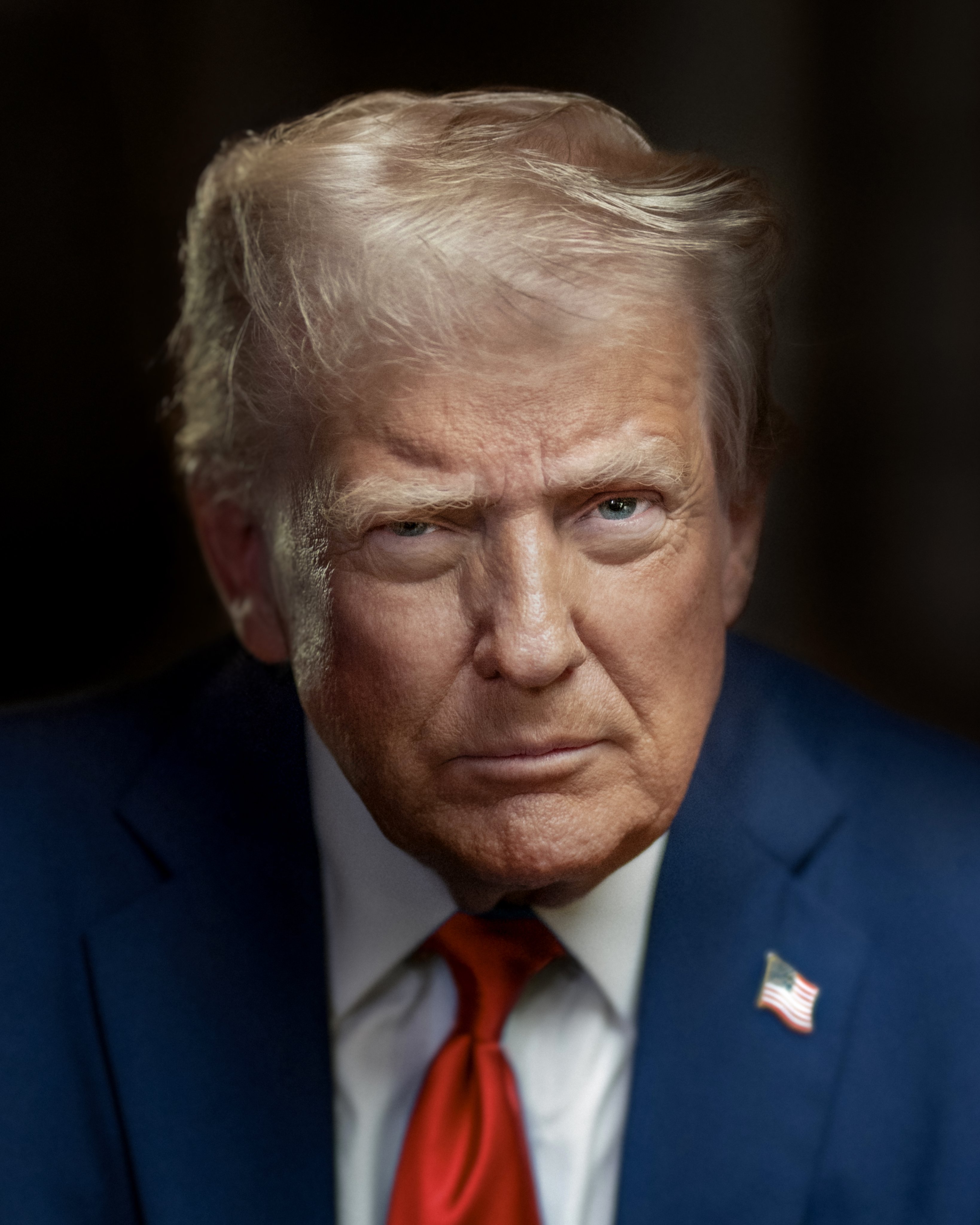
Market Overview
Prediction markets are pricing the probability of Donald Trump's permanent departure from the presidency by mid-2026 at 2.4%, a level that has remained unchanged over the past 24 hours despite substantial trading volume of $4.46 million. The market's definition is notably precise, distinguishing between permanent removal through resignation, impeachment and conviction, or a sustained two-thirds congressional invocation of the 25th Amendment's Section 4 (presidential incapacity), while explicitly excluding temporary removals or failed impeachments. This specificity reflects the technical legal frameworks by which a sitting president can permanently leave office.
Why It Matters
The current odds represent an assessment of tail risks to Trump's ability to complete his second term through January 2027. While 2.4% may appear negligible, it reflects traders' collective judgment that the confluence of circumstances required for permanent presidential removal—ranging from serious health events to political crises of sufficient magnitude to secure conviction or a supermajority congressional determination of incapacity—carries real but low probability. For political observers, the market serves as a quantified baseline for how unusual such an outcome would need to be, given Trump's current political position and baseline health considerations.
Key Factors
Several structural elements anchor the low probability. First, Trump's Republican-controlled Congress makes removal via impeachment and conviction mathematically improbable under current party dynamics. Second, invoking the 25th Amendment Section 4 requires both a VP and Cabinet determination of inability and subsequent two-thirds votes in both chambers—a scenario reserved for severe incapacity. Third, voluntary resignation would require significant political pressure or personal circumstances that have not materialized. The market appears calibrated primarily toward the medical tail risk of a severe health event affecting a 78-year-old sitting president, balanced against the low baseline probability of such events in any given 18-month period. No specific recent developments appear to have shifted the market from its stable 2.4% level.
Outlook
Given the structural stability of Republican congressional support and lack of immediate health or political crises, the market probability may remain relatively anchored near current levels absent major unforeseen developments. Significant moves would likely require either a major health incident, unexpected shifts in congressional Republican alignment, or disclosure of information that substantively alters assessments of presidential ability to serve. The substantial trading volume suggests active interest despite flat recent price action, indicating market participants view the question as worth hedging despite the low absolute probability.