Market Overview
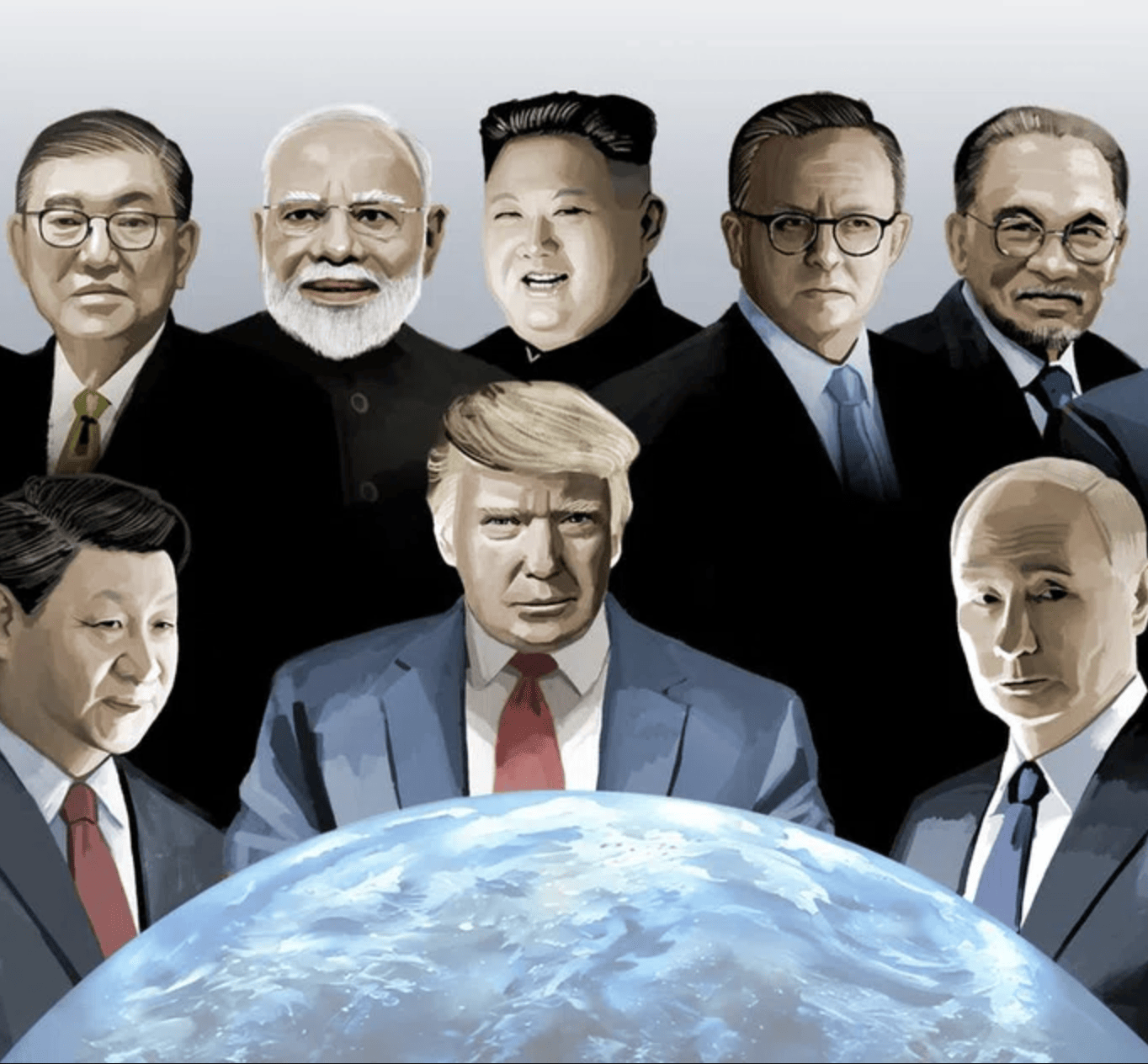
Prediction markets are assigning a 6.5% probability to Donald Trump winning the Nobel Peace Prize in 2026, based on approximately $2.6 million in trading volume. This modest odds level has remained stable over the past 24 hours, suggesting market consensus around the likelihood rather than reactive trading. The market's structure prioritizes Trump above four other prominent geopolitical figures—Zelenskyy, Netanyahu, Putin, and Musk—if multiple recipients are named jointly, though such scenarios remain unlikely given the Nobel Committee's historical preference for single awardees or cohesive groups.
Why It Matters
The Nobel Peace Prize carries significant symbolic weight in international relations, and Trump's potential eligibility reflects broader uncertainty about how 2026 geopolitical outcomes might be interpreted by the Norwegian Nobel Committee. Trump's previous controversial nomination in 2021—based partly on his Abraham Accords diplomacy—demonstrated that peace prize consideration extends beyond traditional diplomatic channels. Any resolution would signal how the Committee views Trump's role in major conflicts or peace developments between now and the 2026 announcement, making this market a barometer for expectations around his future international influence.
Key Factors
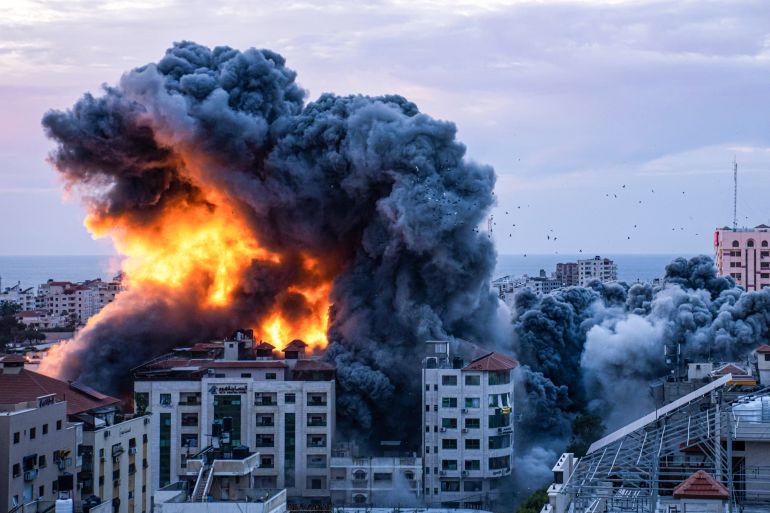
The 6.5% probability implies traders see meaningful but unlikely pathways to Trump winning. Several conditions would need to align: a significant geopolitical breakthrough—such as resolution of the Ukraine conflict, Israeli-Palestinian progress, or U.S.-China de-escalation—would have to occur with Trump perceived as instrumental, and the Nobel Committee would need to view his contribution favorably despite historical controversies surrounding his tenure. The market appears to discount the likelihood of such alignment, reflecting both institutional skepticism about Trump's Nobel eligibility and the general difficulty of predicting which global developments will materialize by 2026.
The competing candidates listed in the market's rules—particularly Zelenskyy and Putin—may fragment any peace prize narrative that emerges from the Ukraine conflict. If that conflict resolves, credit attribution between Trump (as a potential future U.S. president or negotiator), Zelenskyy, and Putin would heavily influence the Committee's decision. Similarly, any Middle East developments would compete with Netanyahu and other regional actors for consideration.
Outlook
Market participants should monitor several developments: changes in U.S. political leadership following 2024 elections, major shifts in the Ukraine and Middle East conflicts, and signals from the Norwegian Nobel Committee regarding its evaluation criteria for 2026. The current odds reflect a market that views Trump's path to the prize as plausible in highly specific scenarios but improbable under baseline assumptions. Significant movement would likely require either a major geopolitical breakthrough attributed to Trump or a shift in how markets price the Committee's institutional willingness to honor him—a threshold that remains relatively high given his previous nomination's contentious reception.