Market Overview
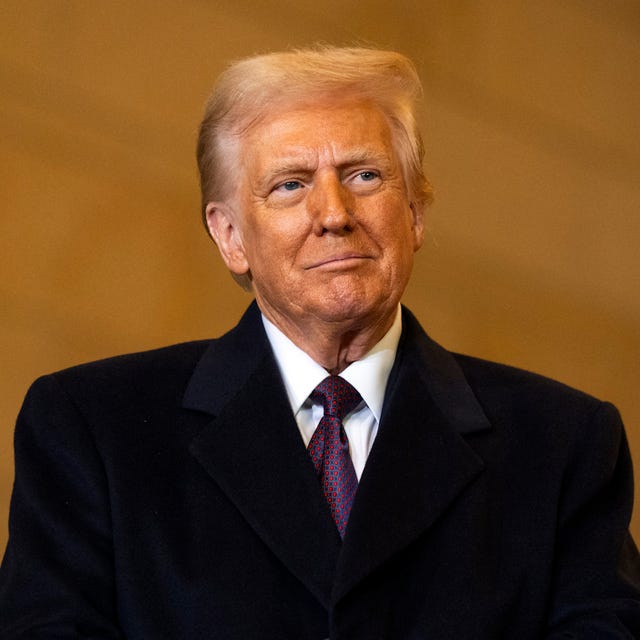
The prediction market for Donald Trump winning the 2026 Nobel Peace Prize is currently trading at 6.5% odds, with substantial volume of $2.6 million indicating active trader interest in the question. The probability has remained stable over the past 24 hours, suggesting the market has settled on a valuation that reflects current expectations and the considerable time remaining before the Norwegian Nobel Committee announces its decision in October 2026. The market's resolution criteria include a complex tiebreaker mechanism that prioritizes Trump among five specified individuals (including Zelenskyy, Netanyahu, Putin, and Musk), meaning Trump's listed probability specifically reflects his individual chances rather than a broader category outcome.
Why It Matters
The Nobel Peace Prize represents one of the world's most prestigious international honors, with historical significance tied to major geopolitical developments and humanitarian achievements. Trump's potential candidacy carries particular weight given his prominence in global politics, his prior administration's foreign policy initiatives, and ongoing speculation about his role in future diplomatic efforts. The 6.5% probability, while modest, is not negligible—it positions Trump as a meaningful contender in the minds of prediction market participants, suggesting a non-zero expectation that he could undertake or broker peace agreements worthy of the committee's consideration between now and mid-2026.
Key Factors
Market odds at this level reflect several offsetting considerations. On one hand, Trump has pursued high-profile diplomatic engagements, including the Abraham Accords and negotiations with North Korea during his first term, which could theoretically form the basis for a future nomination. The Nobel Peace Prize has occasionally been awarded for foreign policy initiatives and diplomatic breakthroughs rather than solely humanitarian work. Conversely, substantial headwinds work against the 6.5% odds: Trump's polarizing political status makes committee consensus unlikely, the two-year timeframe limits opportunity for transformative new peace-related achievements to accumulate, and the prize's historical trajectory suggests preference for humanitarian organizations and lesser-known peace advocates over partisan political figures. The Norwegian Nobel Committee's documented skepticism toward Trump in previous years further reduces probability assessments.
Outlook
The market's stability at 6.5% suggests traders believe the fundamental barriers to Trump winning remain consistent, with neither recent developments nor anticipated future scenarios creating significant catalyst risk. Notable developments that could shift these odds include major Trump-brokered peace agreements in active conflict zones (particularly involving Russia-Ukraine or Middle Eastern disputes), significant shifts in global geopolitical alignments that reframe his diplomatic legacy, or unexpected changes in Nobel Committee composition or priorities. Conversely, the odds could compress further if Trump faces legal challenges, geopolitical tensions worsen in ways attributed to his positions, or if other candidates emerge with stronger claims to peace-related achievements. Market participants should monitor late 2025 and early 2026 for any significant diplomatic initiatives that could materially alter the assessment.