Market Overview
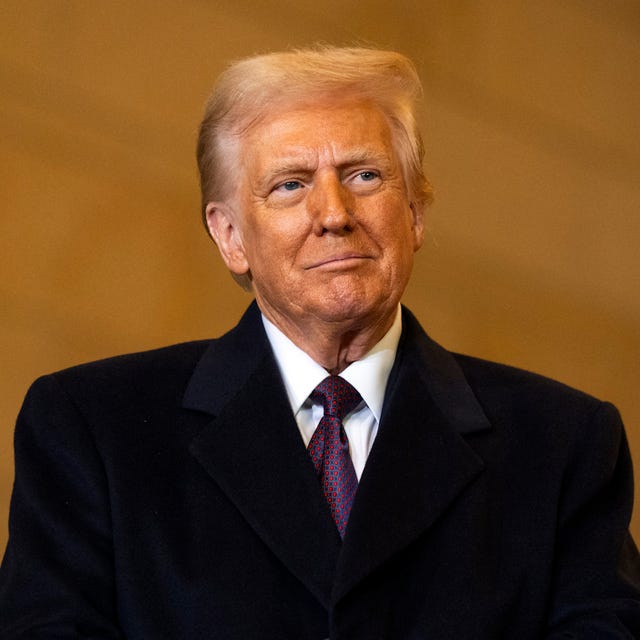
Prediction markets are pricing a 6.5% probability that Donald Trump will win the 2026 Nobel Peace Prize, unchanged from 24 hours prior. With over $2.6 million in trading volume, the market shows moderate but consistent interest in the outcome. The resolution criteria prioritize Trump above four other prominent figures—Zelenskyy, Netanyahu, Putin, and Musk—meaning he would win if any of these individuals were jointly recognized, a structure reflecting the market's recognition of Trump's geopolitical significance even if direct recognition seems unlikely.
Why It Matters
The Nobel Peace Prize carries substantial symbolic weight in international affairs, and speculation about potential recipients often reflects broader assessments of who shaped global peace or conflict during a given period. Trump's candidacy, even at low odds, reflects his outsized influence on international relations through his trade policies, diplomatic initiatives, and approach to major conflicts including those in Ukraine, Gaza, and Korea. A Trump win would represent a significant departure from recent Nobel Peace Prize selections, which have increasingly focused on human rights advocates, journalists, and organizations addressing systemic issues rather than traditional statecraft.
Key Factors
Several dynamics underpin the current 6.5% assessment. First, Trump's explicit peace initiatives—such as his involvement in Abraham Accords negotiations and his stated position on ending the Ukraine conflict—provide some foundation for a nomination, though the Nobel Committee historically views such diplomatic engagement with ambivalence. Second, the market must account for unforeseen geopolitical developments between now and the 2026 announcement; a major peace breakthrough or resolution of a major conflict in which Trump played a central role could reshape expectations materially. Third, the Nobel Peace Prize criteria emphasize \"the most outstanding contribution to fraternity among nations, the abolition or reduction of standing armies, and the holding and promotion of peace congresses.\" Trump's record on these specific dimensions remains contested, with critics pointing to his trade wars and divisive rhetoric as counterweights to diplomatic achievements.
The competitive landscape also matters. The 6.5% odds implicitly assign roughly 93.5% probability to other recipients, distributed across thousands of potential individuals and organizations globally. Other high-profile figures mentioned in the market's rules—Zelenskyy, Netanyahu, Putin, and Musk—presumably command larger shares individually, though none has dominated market expectations given the complex and contested nature of their roles in recent geopolitical events.
Outlook
For Trump's odds to shift significantly upward, markets would likely require either a dramatic and widely lauded peace settlement attributable to his efforts, or a substantial shift in how the international community retrospectively assesses his diplomatic record. Conversely, escalation in major conflicts or continued polarization could erode his chances further. The 2026 award will be decided in October 2025, giving markets over a year to incorporate new information. Until major developments emerge, the current 6.5% assessment likely reflects a view of Trump as a long-shot candidate with real but limited historical precedent for recognition by the Norwegian Nobel Committee.