Market Overview
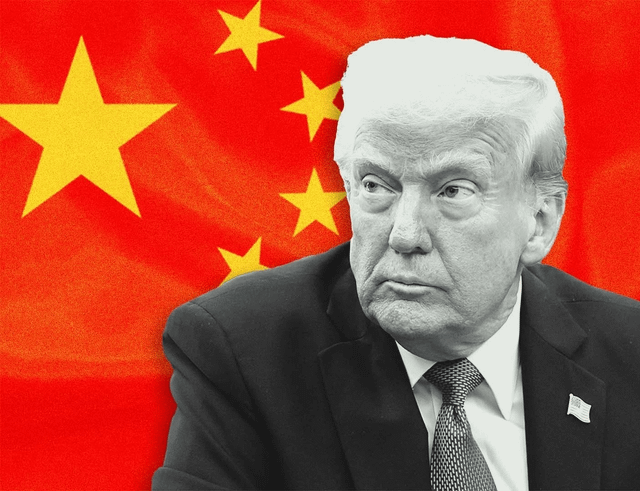
Prediction markets are assigning only a 1.4% probability to a Trump visit to mainland China by April 30, 2026, despite the market having accumulated over $8.5 million in trading volume. The odds have ticked slightly upward from 1.1% a day prior, though they remain among the longest of long shots in political prediction markets. The extremely low probability reflects a broad consensus among traders that such a visit, while theoretically possible, faces formidable structural and political obstacles.
Why It Matters
A presidential visit to China would represent a significant geopolitical development with implications for U.S.-China relations, trade negotiations, and the broader Indo-Pacific strategic picture. During Trump's first term, he engaged directly with Chinese leadership despite trade tensions, and any second-term visit would signal either a major diplomatic reset or a high-stakes summit addressing critical bilateral issues. The market's pricing reveals how traders assess the probability of executive-level diplomacy unfolding in a relatively compressed timeframe—just over 13 months from the time of this analysis.
Key Factors Limiting the Probability
Several structural factors underpin the minimal odds. First, official state visits by sitting U.S. presidents to China require extensive diplomatic preparation, security arrangements, and advance consensus-building, typically planned months ahead. Second, current U.S.-China relations remain tense across multiple domains—trade, technology competition, Taiwan, and military posturing—creating an unfavorable diplomatic environment. Third, Trump's schedule as president involves numerous competing demands: domestic policy, congressional obligations, and international engagement across multiple regions. A China visit, while possible in theory, would need to be prioritized above many other foreign trips. Finally, the geopolitical context—including potential escalations or crises—could further reduce the window for such engagement or make it strategically inadvisable.
Outlook
For the probability to shift meaningfully upward, markets would likely require concrete signals: an official announcement of diplomatic discussions, a thaw in U.S.-China relations, or direct statements from Trump or his administration indicating serious intent to visit. Downside risks to the already-minimal odds could emerge from further deterioration in bilateral relations or major geopolitical incidents. The market's current pricing suggests traders view this outcome as plausible but requiring a significant shift in geopolitical conditions or diplomatic strategy—a scenario they assign less than a 2% chance of materializing within the specified window.