Market Overview
The prediction market currently prices an 77.5% probability that the Earth will experience eight or more earthquakes measuring magnitude 7.0 or higher between December 4, 2025, and June 30, 2026—a seven-month window. With $537,832 in trading volume, the market indicates broad trader consensus that major seismic events will occur at a relatively high frequency during this period. The probability has remained stable, fluctuating minimally from 78.0% one day prior, suggesting the market has settled on a relatively confident assessment.
Why It Matters
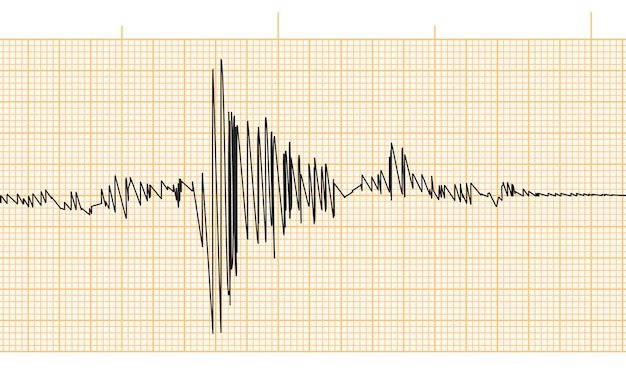
Earthquakes of magnitude 7.0 or higher represent the threshold for major seismic events capable of causing significant destruction, loss of life, and economic damage. The baseline frequency of such earthquakes globally varies year to year but historically averages around 15 events annually, translating to roughly 9 events in a seven-month span. Understanding market expectations for seismic activity matters for disaster preparedness planning, insurance pricing, and risk management in earthquake-prone regions. The 77.5% probability suggests traders view eight occurrences as a likely but not certain outcome within normal geological variance.
Key Factors
Several considerations drive the market's high probability assessment. First, the historical record: magnitude 7.0+ earthquakes occur with sufficient frequency that eight events in seven months represents a plausible baseline scenario rather than an outlier. Second, current seismic conditions play a role; ongoing activity along major fault lines—particularly the Pacific Ring of Fire—maintains geological conditions conducive to major quakes. Third, the seven-month timeframe is long enough to encompass seasonal variations in seismic activity. The market's stability around 77-78% suggests traders have absorbed available information about known fault systems and historical frequency distributions, with no recent data substantially shifting expectations upward or downward.
Outlook
The market is unlikely to experience significant movement absent either a major unexpected seismic event or published revisions to global earthquake frequency data. If the next several months see fewer than two magnitude 7.0+ earthquakes, traders may lower the probability toward 70% or below. Conversely, a cluster of major quakes early in the period could push odds toward 85%+. Resolution will depend entirely on USGS data, providing a clear and objective outcome measure by late June 2026.