Market Overview
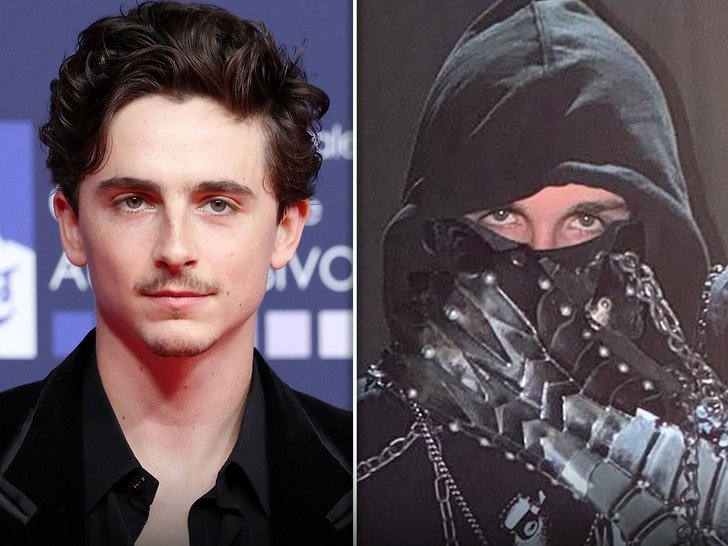
The prediction market asking whether Timothy Chalamet is EsDeeKid—an anonymous UK rapper—currently trades at 4.1% probability, indicating that traders assign only a minimal chance of definitive confirmation by the June 30, 2026 deadline. With $116,111 in volume, the market shows meaningful engagement despite the long-shot odds, suggesting a combination of genuine believers in the theory and casual speculators testing the proposition.
Why It Matters
The question sits at the intersection of celebrity culture and internet folklore. EsDeeKid has maintained anonymity while releasing music, and the pseudonym has become subject to widespread online speculation about the artist's true identity. If Chalamet were confirmed to be the rapper, it would represent a significant celebrity reveal with implications for both his public image and the artist's mystique. However, the market's low probability reflects the absence of any credible evidence linking the acclaimed actor to the project.
Key Factors
The 4.1% probability is supported by several structural constraints. The market requires \"definitive evidence\"—defined as official documentation, verified video evidence, or credible reporting consensus—rather than speculation, memes, or unsubstantiated claims. This high bar for resolution significantly depresses odds, as celebrity identity reveals of this type are rare and typically require either voluntary disclosure or court-level documentation. Chalamet's established film career, public profile, and lack of any credible reporting linking him to EsDeeKid all weigh against confirmation. Additionally, the market includes a provision that if evidence emerges confirming EsDeeKid's identity as someone other than Chalamet, resolution to \"No\" would be immediate and definitive.
Outlook
Barring an unexpected voluntary disclosure from either Chalamet or EsDeeKid, or leaked documentation of unusual specificity, the probability is likely to remain in the low single digits through the deadline. The theory persists primarily in online communities and appears to lack institutional support or investigative momentum from credible media outlets. Any movement in the market would likely require either emergence of substantive evidence or a significant cultural moment that rekindled mainstream attention to the theory—neither of which appears probable given current conditions.