Market Overview
Prediction market traders are assigning just a 4.2% probability to Taylor Swift and Travis Kelce getting married by June 30, 2026. The market, which has generated $139,791 in trading volume, shows consensus skepticism about the couple formalizing their relationship within the specified timeframe. The probability has remained flat over the past 24 hours, suggesting traders have settled on a relatively firm view of the likelihood.
Why It Matters
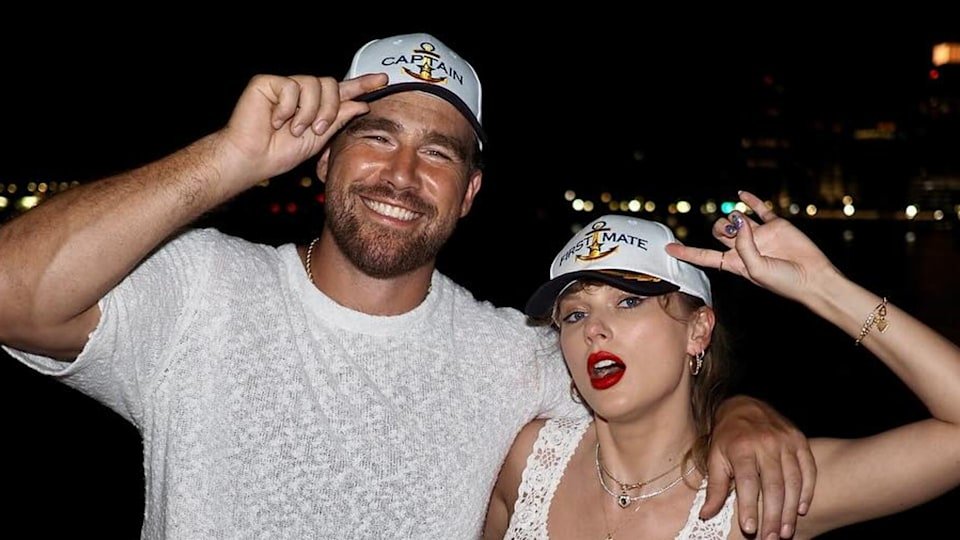
Swift and Kelce's relationship has commanded significant public attention since they were first spotted together in September 2023, with media coverage intersecting two major cultural domains—music and professional sports. For market participants, the question represents a bet on the trajectory of a relationship that has already demonstrated staying power but remains relatively early in its public lifecycle. The low odds suggest traders view marriage as unlikely even given an 18-month window, implying either skepticism about relationship progression or uncertainty about whether either party intends to marry.
Key Factors
Several dynamics appear to be constraining the probability. Both Swift and Kelce maintain demanding professional schedules—Swift is engaged in a global tour and recording career, while Kelce is a professional NFL athlete with team commitments. Neither has publicly discussed marriage intentions. Additionally, Swift's previous high-profile relationships have not resulted in marriage, and the couple has been together for less than two years at the market's resolution date, a relatively short timeframe for major life decisions among adults with established careers. The resolution criteria requiring \"marriage\" rather than engagement or announcement also sets a high bar, requiring not just a commitment but an actual ceremony within the window.
Outlook
Material shifts in this market would likely require public statements from either party indicating engagement or marriage plans. Short of such developments, the 4.2% floor appears to reflect a baseline acknowledgment that unexpected outcomes remain possible—typical for long-tail event markets—rather than genuine optimism among traders. The stability in pricing suggests this probability level has found equilibrium between those who see near-zero chance and those accounting for the possibility of rapid relationship escalation.