Market Overview
A prediction market assessing whether the Trump administration will be forced to refund tariffs struck down by the Court of International Trade is trading at 81.5% probability of resolution to \"Yes\" by June 30, 2026. The market hinges on two sequential conditions: denial of the administration's consolidated appeal in V.O.S. Selections, Inc. v. United States, followed by actual refunds issued to importers within the specified timeframe. With approximately 13 months remaining in the resolution window and the appeal still pending, the high probability reflects trader assessment that both conditions are likely to be satisfied.
Why It Matters
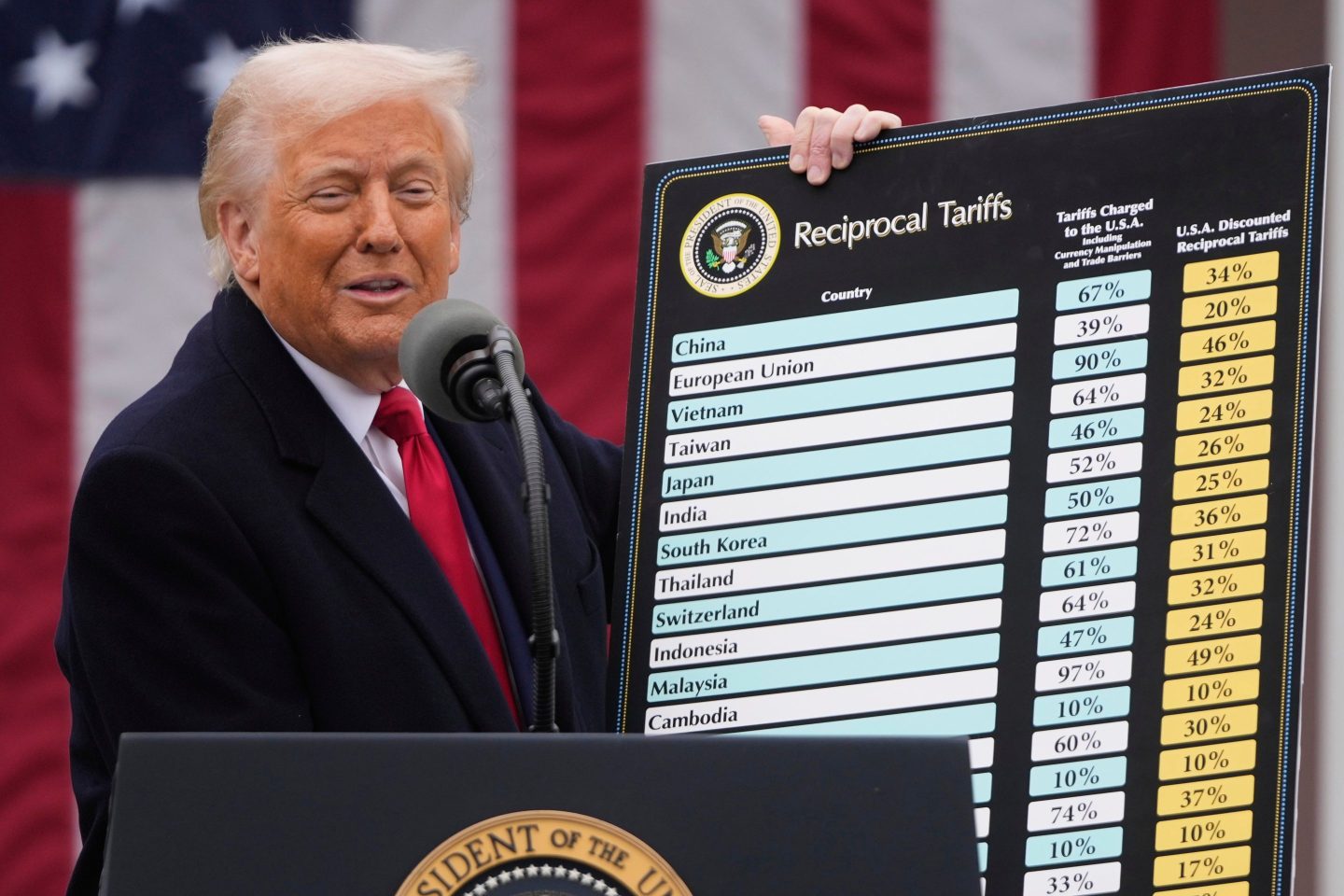
The May 28, 2025 Court of International Trade ruling represents a significant constraint on executive tariff authority. The court determined that Trump exceeded his powers under the International Emergency Economic Powers Act by imposing sweeping tariffs—including the 10% universal import duty and country-specific rates up to 50%—without adequate statutory justification. A successful appeal would preserve the administration's ability to defend such measures; conversely, an appeal defeat would invalidate the tariffs and create financial obligations to affected importers. For businesses that paid tariffs on goods now deemed illegally assessed, refunds would represent material financial relief. The market's strong lean toward \"Yes\" thus signals trader belief that the legal case against the tariffs is substantially robust.
Key Factors
Several dynamics underpin the 81.5% probability. First, the May 28 court decision itself contained detailed findings on the scope of presidential authority under the IEEPA, suggesting the lower court applied established legal precedent constraining emergency economic powers. Appeals courts often defer to fact-finding and statutory interpretation by trial courts, though they review legal conclusions de novo; the presence of clear legal reasoning in the ruling may weigh against reversal. Second, the 13-month timeline for both appeal resolution and refund issuance is relatively tight but achievable—appeals of trade decisions often conclude within 12–18 months, and refund processing, once ordered, typically occurs within weeks. Third, the political context matters: while the Trump administration has incentive to appeal and defend its tariff authority, successful appeals by administrations defending broad executive powers under IEEPA have become rarer in recent years as courts reassert statutory limits. Traders appear to be pricing in skepticism about the appeal's prospects.
Outlook
The market's stability at 81.5% over the past 24 hours, alongside meaningful volume of $387,552, suggests a consensus has formed around the likely outcome. Key developments that could shift probabilities include appellate court oral arguments, if scheduled, which might signal judicial leanings, or unexpected regulatory announcements from the administration regarding tariff implementation or settlement discussions. Should the appeal proceed to decision before late 2025, the court's reasoning could clarify the probability of refund issuance. Conversely, any settlement or negotiated resolution between the administration and importers could blur the binary outcome. Traders should monitor federal appellate docket updates and Treasury Department announcements regarding tariff collection procedures, as these will provide concrete signals on the path toward resolution.