Market Overview
Prediction markets are pricing a substantial likelihood—81.5%—that importers will receive refunds of tariffs invalidated by the U.S. Court of International Trade's May 28, 2025 ruling against the Trump administration. The market has traded at this level consistently over the past 24 hours with $387,552 in volume, suggesting a stabilized consensus among traders. Resolution requires two sequential events: the appeal in V.O.S. Selections, Inc. v. United States must be denied in whole or in part, and actual refunds must be issued to importers by June 30, 2026. The resolution criteria are deliberately strict, requiring material refunds rather than merely announcements or plans to refund.
Why It Matters
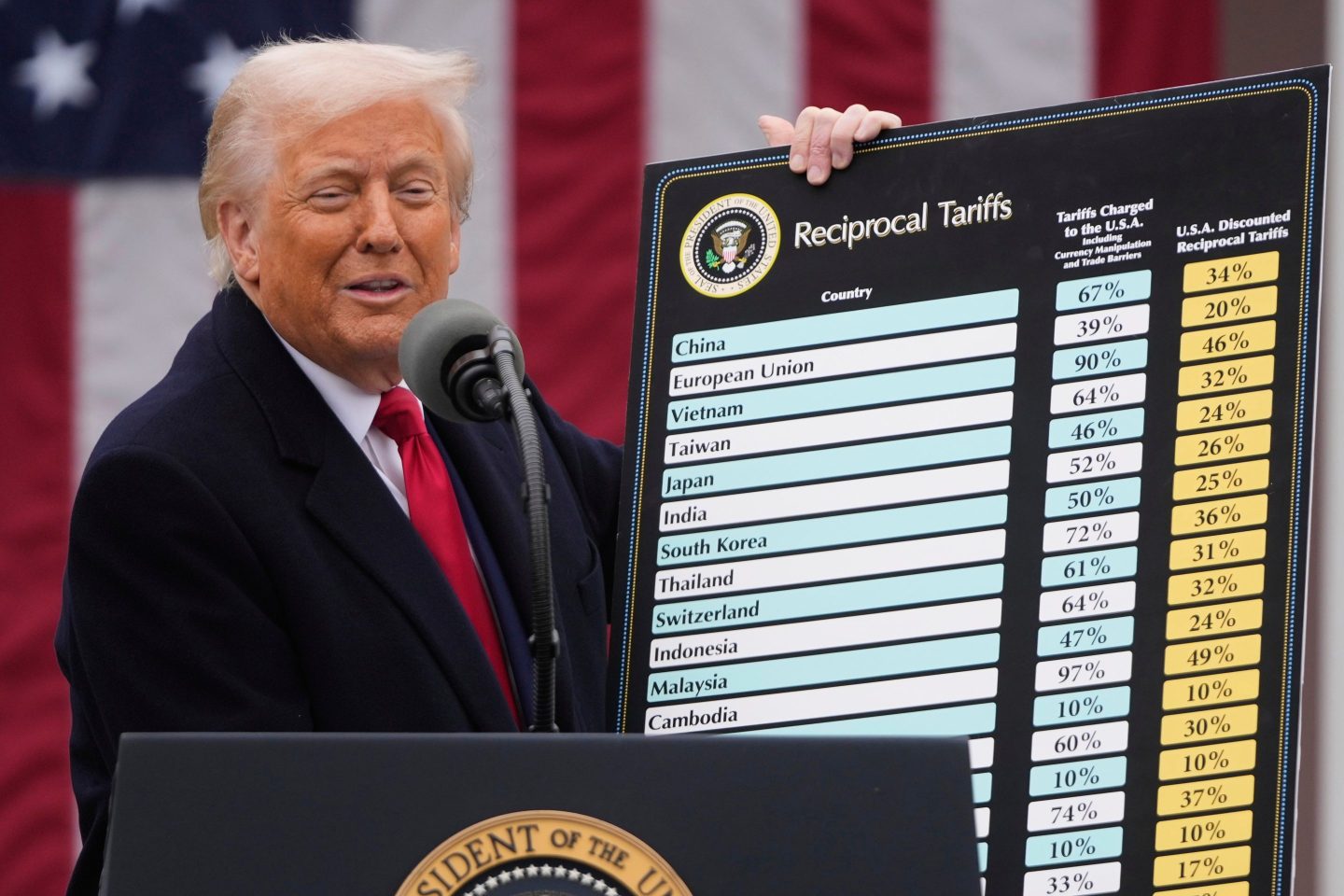
The underlying legal dispute centers on whether the Trump administration lawfully invoked the International Emergency Economic Powers Act (IEEPA) to impose sweeping tariffs—a 10% blanket tariff on all imports and country-specific measures reaching 50%—without congressional approval. The lower court's May 2025 decision blocked these measures, concluding the administration exceeded its statutory authority. The outcome carries substantial financial implications for U.S. importers, potential consumers of imported goods, and the administration's trade policy framework. At an 81.5% probability of appeal denial, the market is pricing in skepticism about the administration's legal defense, though not certainty. An appeal reversal would preserve the tariffs and eliminate the refund obligation; a loss would trigger compensation obligations potentially numbering in the billions of dollars.
Key Factors
Several dynamics are likely shaping the market's assessment. First, the lower court's ruling represents a substantial legal rebuke of the administration's interpretation of emergency economic powers, suggesting the court found the legal arguments wanting rather than merely disagreeing on policy grounds. Second, the appellate standard of review—whether arbitrary and capricious or de novo—matters significantly, and the specific procedural posture may favor importers. Third, the administration's decision to consolidate its appeal into a single proceeding may indicate either confidence in its legal position or a strategic choice to avoid multiple adverse rulings. The 81.5% probability also incorporates execution risk: even if the appeal is denied, the government must actually issue refunds, a practical step that could face bureaucratic delays or further litigation. The one-year timeframe to market resolution (by June 30, 2026) is realistic for appellate proceedings but not unlimited.
Outlook
The market's assessment could shift based on appellate filings, interim court orders, or signals about the administration's legal strategy. If the government files detailed appellate briefs that markets view as legally robust, traders might reduce the denial probability. Conversely, early unfavorable orders or procedural setbacks could push odds higher. The critical threshold is whether the Court of Appeals for the Federal Circuit—likely the reviewing body—views the IEEPA as a genuine grant of emergency authority or interprets it narrowly as requiring closer congressional nexus. Trading activity and probability shifts will likely accelerate as oral arguments approach or as courts issue substantive rulings on the merits. Traders should monitor both the legal proceedings and any statements from U.S. Customs and Border Protection about refund procedures, as practical readiness to issue refunds may influence the timeline and feasibility of actual compensation.