Market Overview
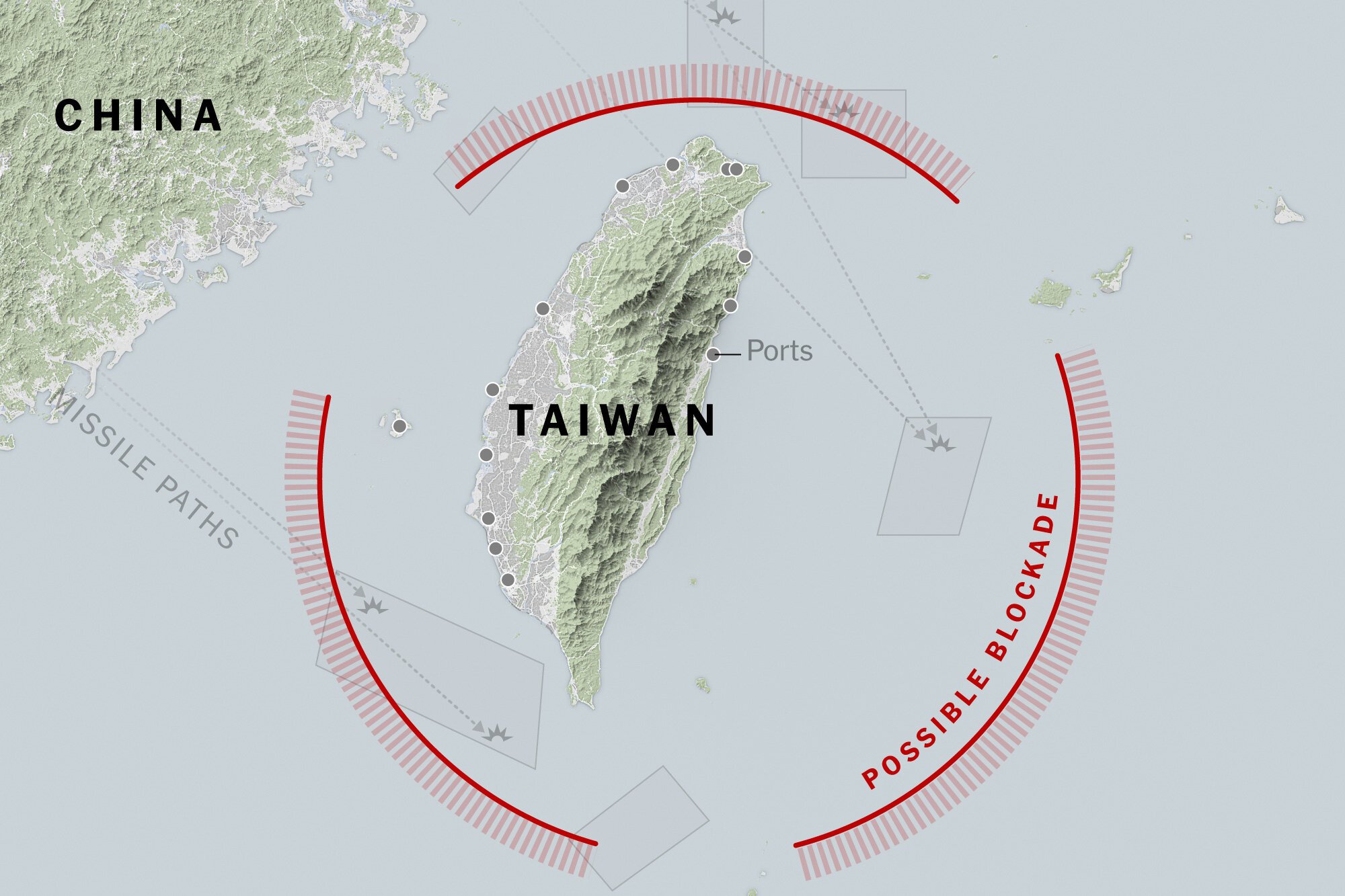
Prediction markets are pricing a Taiwan blockade scenario at just 2.4% probability through June 30, 2026—a level that has remained stable over the past 24 hours despite $1.2 million in trading volume. The market defines a qualifying blockade narrowly: a sustained Chinese action that physically prevents normal foreign commercial traffic to Taiwan's main island for at least 24 hours, excluding military exercises, economic sanctions, or isolated incidents. This high bar for resolution reflects the severity of such an action, which would represent one of the most significant military escalations in the Taiwan Strait since 1949.
Why It Matters
A blockade would constitute an act approaching outright warfare, with immediate implications for global commerce, security alliances, and international law. Taiwan depends heavily on maritime and air trade, and a successful blockade would cripple its economy and likely trigger direct U.S. military intervention under the Taiwan Relations Act and broader strategic commitments. The 2.4% probability suggests traders assess this scenario as possible but remote—acknowledging that escalation risks exist while expecting diplomatic and deterrent factors to prevail. Such a low odds level reflects confidence in the status quo holding, at least in the near to medium term.
Key Factors
Several dynamics underpin this cautious pricing. First, the direct costs of a blockade to China—economic retaliation, sanctions, and potential military confrontation with the U.S. and allies—remain prohibitively high. Second, neither Beijing nor Washington appears to be mobilizing for such a scenario; military postures have not shifted dramatically, and both sides have maintained channels for crisis communication. Third, the market's definition requires a sustained, openly enforced blockade rather than coercive gray-zone activities, a distinction that raises the threshold considerably. China has pursued other coercive measures—military exercises, de facto fishing bans, customs delays—without crossing into outright blockade, suggesting preference for ambiguous pressure that avoids triggering automatic U.S. response mechanisms.
Outlook
For odds to rise materially, traders would likely need to see sustained indicators of imminent escalation: large-scale military mobilization by either Beijing or Washington, explicit blockade threats from Chinese officials, or a major crisis event that narrows the window for diplomacy. The current 2.4% pricing leaves room for tail risks—an accidental escalation, miscalculation during a military exercise, or a political shock in Beijing—but reflects baseline expectations that the incentives for restraint outweigh those for confrontation through mid-2026. Monitoring Chinese military activity, U.S. force deployments, and statements from officials on both sides will be critical to tracking whether this low probability begins to shift.