Market Overview
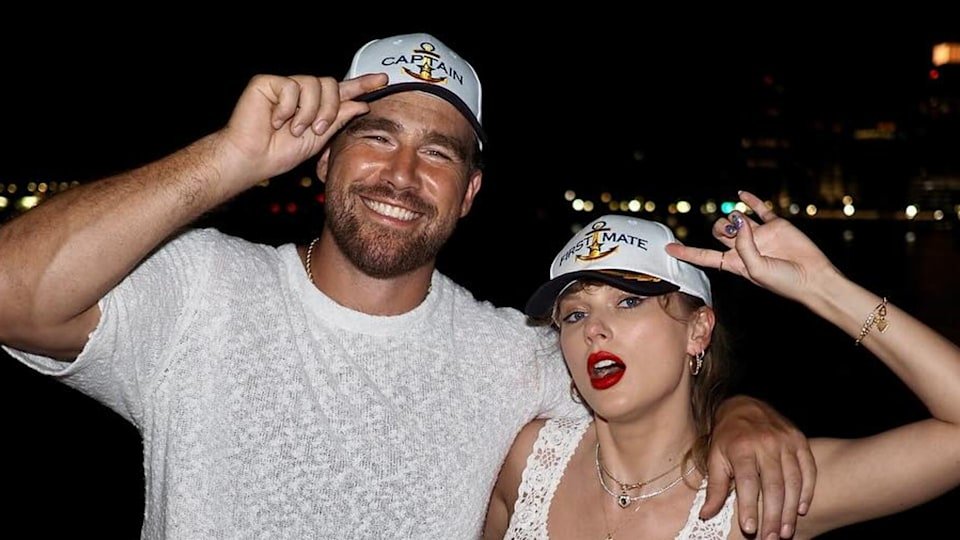
Prediction market traders are assigning a 9.5% probability to Taylor Swift and Travis Kelce getting married by June 30, 2026—a timeline of approximately 18 months from now. The market has seen modest activity with $128,935 in total volume, and prices have remained essentially flat over the past 24 hours, suggesting a stable consensus among traders rather than shifting sentiment. The slight uptick from 9.3% reflects the natural volatility of small-volume markets rather than a meaningful repricing.
Why It Matters
The couple has become a fixture in celebrity and sports culture since Swift began attending Kansas City Chiefs games in September 2023, with their relationship generating substantial media attention and fan engagement. The marriage question captures broader curiosity about the trajectory of their relationship at a critical juncture—long enough for meaningful developments yet short enough to reflect genuine uncertainty. For prediction market participants, the odds effectively discount a hasty marriage while leaving room for unexpected announcements or accelerated timelines.
Key Factors
Several dynamics appear to be restraining the probability. Swift and Kelce have not publicly discussed marriage plans, and both maintain demanding careers—Swift with her ongoing Eras Tour and music projects, Kelce as an active NFL player. The 18-month window is relatively compressed; celebrity couples at their relationship stage typically require additional time before marriage. Additionally, neither party has demonstrated the pattern of rapid relationship escalation that would justify higher odds. Conversely, their high-profile status and apparent compatibility could enable rapid developments that surprise markets, and wealthy celebrities often have the flexibility to accelerate major life decisions outside typical timelines.
Outlook
Unless the couple makes a public announcement regarding engagement or marriage plans, prices are likely to remain anchored near current levels through 2025. The market will become more sensitive to tangible signals—engagement announcements, wedding planning reports, or official statements from either party. A failure to marry by the deadline would resolve the question to \"No,\" while any credible reporting of a completed marriage ceremony would trigger resolution to \"Yes.\" Traders appear comfortable holding these subdued odds, reflecting the current absence of concrete indicators pointing toward near-term matrimony.