Market Overview
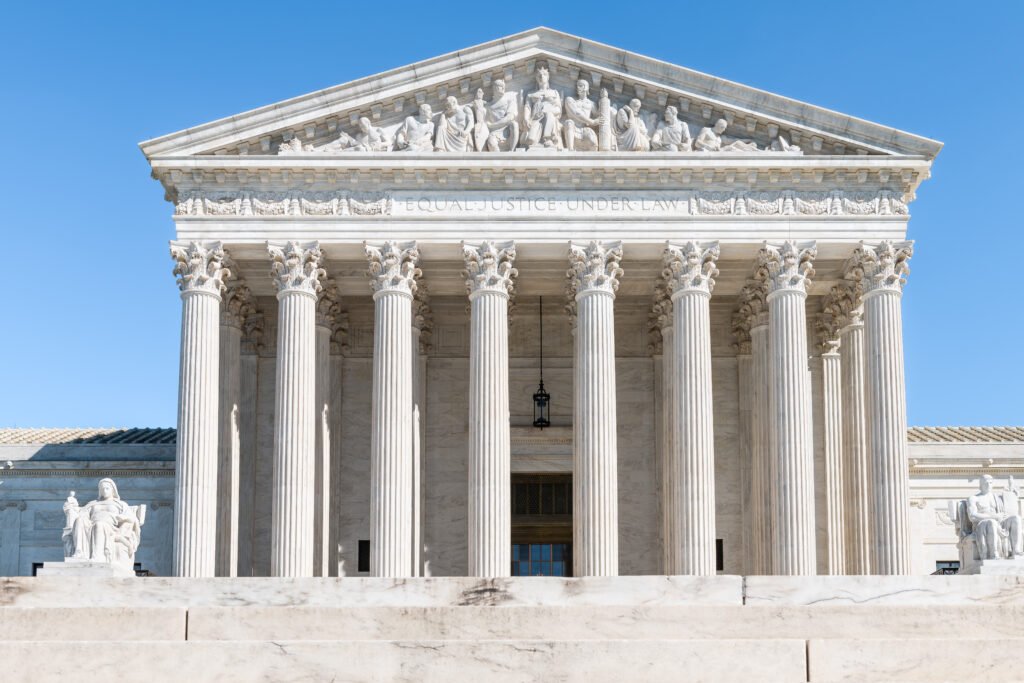
The prediction market for Supreme Court acceptance of a sports event contract case by mid-2026 is pricing in modest odds at 13.5%, with stable pricing over the past day and moderate trading volume of approximately $929,000. This probability reflects skepticism about the likelihood of the nation's highest court taking up a case focused specifically on the legality, regulation, or jurisdictional questions surrounding sports event contracts within the next 18 months. The Supreme Court receives roughly 7,000 petitions for certiorari annually but grants only 70-80, a ceiling rate of roughly 1%, which serves as a baseline expectation for any specific legal question.
Why It Matters
The regulatory treatment of sports event contracts sits at an intersection of commodity trading, gambling law, and federalism—issues that could eventually reach the Supreme Court if lower courts disagree on jurisdiction or constitutional limits. A ruling on whether such contracts constitute regulated derivatives under the Commodity Exchange Act, or whether federal CFTC authority preempts state gambling prohibitions, could reshape the $10 billion sports betting ecosystem in the United States. The question touches on longstanding tensions between federal regulatory agencies and state sovereignty, making it substantively important even if near-term court review remains unlikely.
Key Factors
Several elements constrain the probability. First, no major circuit split has emerged yet on these specific issues—the Supreme Court prioritizes cases where federal courts disagree, and absent such conflict, certiorari becomes far less likely. Second, lower-court litigation on sports contracts is still in early stages; plaintiffs and defendants must first litigate cases to final appeal before petitions reach SCOTUS. Third, the 18-month timeframe is compressed; even a case filed today would need to proceed through appeals courts rapidly to arrive at the Supreme Court by mid-2026. Current cases involving sports betting regulation tend to focus on state constitutional gambling clauses or state-federal preemption disputes rather than the specific commodity law and contract legality questions detailed in the market criteria.
Outlook
For the probability to shift materially upward, a federal appeals court would need to issue a decision on one of the three criteria specified—derivatives classification, CFTC preemption of state law, or federal-state licensing authority—and either create a split with another circuit or resolve a question the Supreme Court has flagged as important. Alternatively, a lower court decision that a major stakeholder deems existentially threatening could generate an urgent petition. The baseline 13.5% pricing likely reflects that such developments, while possible, remain low-probability events within the 18-month window. Most observers expect sports betting regulation to continue evolving at the state level and through agency guidance rather than via Supreme Court intervention in the near term.