Market Overview
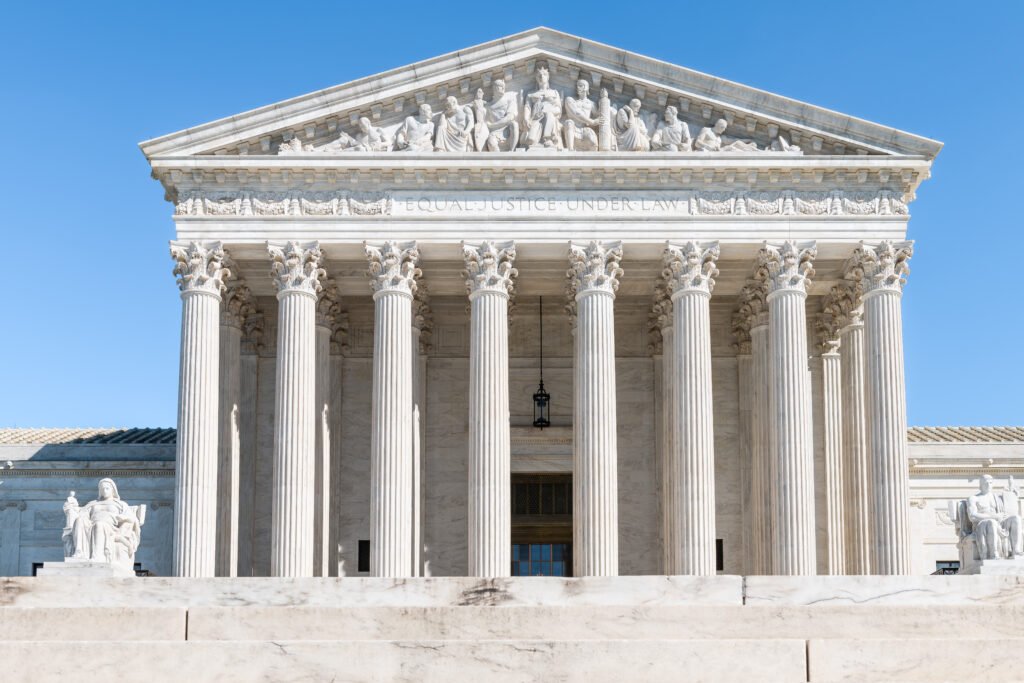
Prediction markets are currently valuing the odds of Supreme Court certiorari in a sports event contract case by July 31, 2026 at 13.5%, suggesting investors see the question as unlikely but not remote. The market has remained stable at this level over the past 24 hours, with $929,259 in total volume indicating moderate interest in the proposition. The low probability reflects the structural reality that the Supreme Court receives thousands of petitions annually but accepts only a small fraction—typically 70 to 80 cases—for review.
Why It Matters
The sports betting and derivatives regulation landscape has evolved significantly in recent years, particularly following state-level legalization efforts and the emergence of new trading platforms focused on sports event outcomes. A Supreme Court decision on whether such contracts fall under federal commodity regulation or state gambling jurisdiction could have sweeping implications for the nascent industry. The three specific legal questions outlined—whether sports contracts constitute regulated derivatives under the Commodity Exchange Act, whether federal regulation preempts state gambling laws, and the scope of authority federal and state governments possess—represent fundamental constitutional and statutory questions that could reshape the regulatory environment. However, the specificity of these questions and the lack of a clear circuit split or sustained litigation pipeline suggest the Court may not view this as an urgent matter requiring immediate attention.
Key Factors
Several structural factors likely contribute to the low probability assessment. First, the Supreme Court generally waits for circuit splits to develop and for lower courts to thoroughly litigate novel questions before intervening. As of early 2026, no major appellate ruling has crystallized the legal questions to a degree that would typically prompt certiorari. Second, the sports betting regulation space remains relatively nascent from a federal appellate litigation perspective; most regulation to date has occurred through state legislatures and administrative bodies rather than contested court cases. Third, the Court's docket is heavily congested with cases touching on major constitutional questions, voting rights, and administrative law—areas that typically take precedence. Fourth, the 18-month window to July 2026 is relatively compressed; most cases that reach the Court have spent years in lower courts, and petitions granted today would likely have been filed several years prior.
Outlook
For the probability to rise materially, several developments would need to occur. A high-profile appellate ruling creating a circuit split on one of the three specified legal questions would substantially increase the likelihood of certiorari. Alternatively, aggressive state-level restrictions on sports event contract trading that generate multiple federal court challenges could build momentum. Legislative action at the federal level establishing new regulatory frameworks might also prompt the Court to clarify jurisdictional boundaries. Conversely, continued administrative management of the issue by the Commodity Futures Trading Commission and state regulators, without major litigation breakthroughs, would likely keep the probability low through the resolution date. Market participants betting against certiorari may be reflecting confidence that the regulatory status quo will persist and evolve through administrative channels rather than Supreme Court intervention.