Market Overview
The Strait of Hormuz traffic recovery market is currently trading at 39.5% probability, down from 44.5% a day prior, indicating declining trader confidence in a near-term normalization of shipping flows through the waterway. The market requires a 7-day moving average of at least 60 daily transit calls—tracked by IMF Portwatch data across container, dry bulk, roll-on/roll-off, general cargo, and tanker vessels—to resolve affirmatively by May 31, 2026. With $2.27 million in volume, the market has attracted substantial trading interest reflecting its relevance to global energy markets and supply chain concerns.
Why It Matters
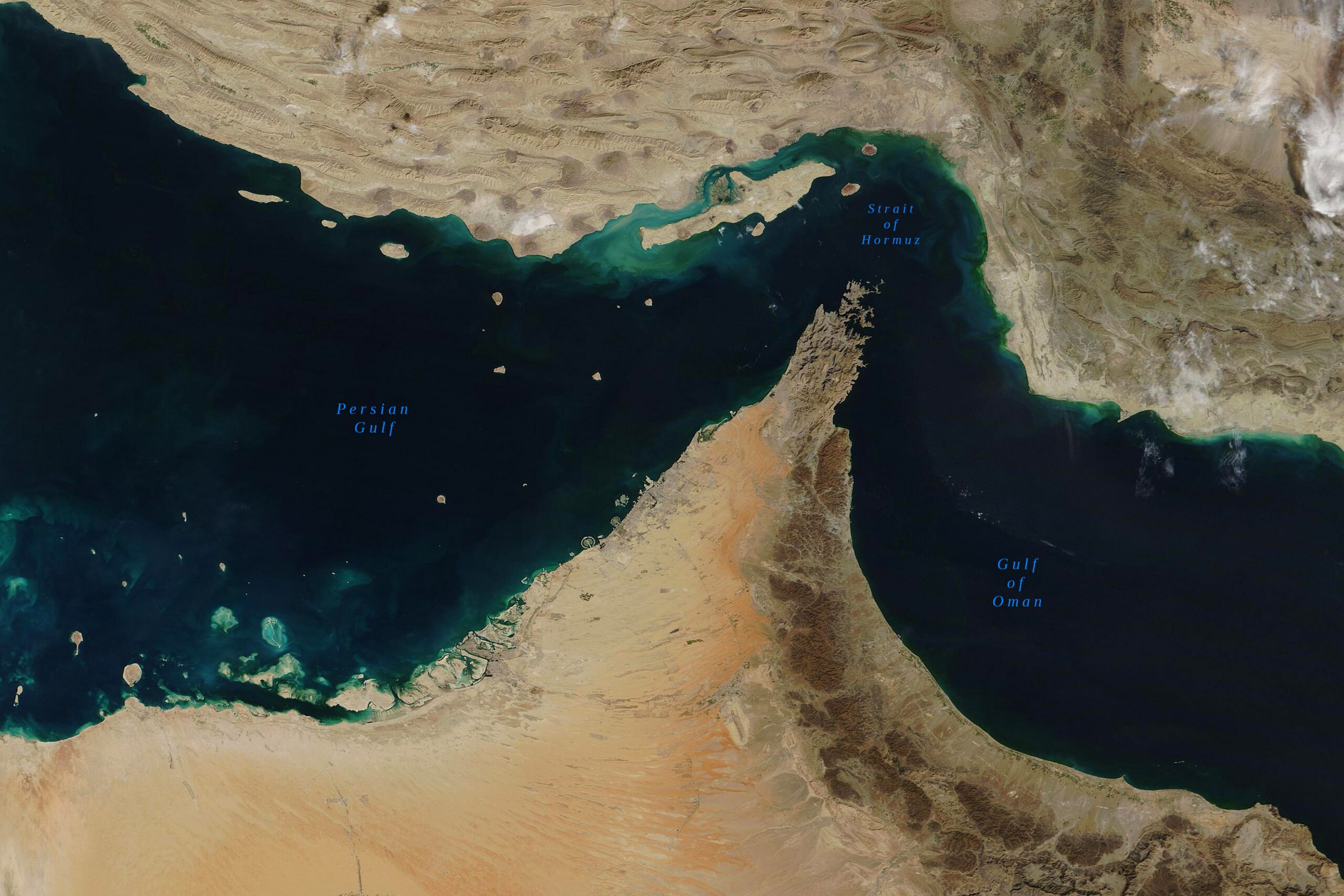
The Strait of Hormuz remains the world's most critical oil transit chokepoint, with roughly one-fifth of global petroleum trade passing through its narrow waters. Disruptions to normal shipping patterns carry immediate implications for energy prices, shipping costs, and broader economic stability. A sustained return to normal traffic levels would signal reduced geopolitical risk in the region and improved confidence in maritime security. Conversely, persistent below-normal flows suggest ongoing tensions or security concerns constraining commercial shipping activity. This market outcome will directly reflect real-world conditions affecting inflation, transportation costs, and energy market dynamics well into 2026.
Key Factors
Several structural elements are influencing the subdued probability. Regional tensions involving Iran, Houthis, and broader Middle East geopolitical dynamics have created recurring disruptions to shipping since late 2023, with periodic attacks on vessels raising insurance costs and transit risks. The baseline level required by the market—60 daily transits on a 7-day average—implies a meaningful recovery but not necessarily return to pre-disruption peaks, yet traders appear skeptical even of this moderate threshold being reached within the specified timeframe. Additionally, the relatively short window (approximately 5 months from typical market creation) may constrain the probability, as geopolitical shifts often unfold slowly. The declining probability from 44.5% to 39.5% in 24 hours suggests recent news flow or trader reassessment may be tilting sentiment toward continued strain on regional shipping.
Outlook
For the \"Yes\" resolution to occur, traders would need to see demonstrable improvement in regional security conditions, reduced maritime incidents, or a shift in geopolitical dynamics that restores shipping confidence. Current pricing implies markets are pricing in either sustained disruption, elevated risk premiums keeping some vessels away, or a slower-than-expected normalization process. Key developments that could shift probability include de-escalation announcements, successful enforcement of maritime security corridors, or resolution of underlying regional conflicts. Conversely, additional incidents or escalations could push the probability lower. Market observers should watch IMF Portwatch data releases and regional security headlines as primary signals for directional moves in coming weeks.