Market Overview
The prediction market on Strait of Hormuz traffic normalization is currently priced at 45.5% probability, indicating near-parity expectations between a return to baseline transit volumes and a continuation of disrupted conditions through the first half of 2026. The market uses IMF Portwatch data as its resolution source, specifically targeting a 7-day moving average of at least 60 daily transit calls—a threshold that appears to represent normalized historical traffic levels. With $1.53 million in total volume, the market has attracted substantial interest despite the relatively stable pricing over the past 24 hours, suggesting market participants have largely settled on current probability assessments.
Why It Matters
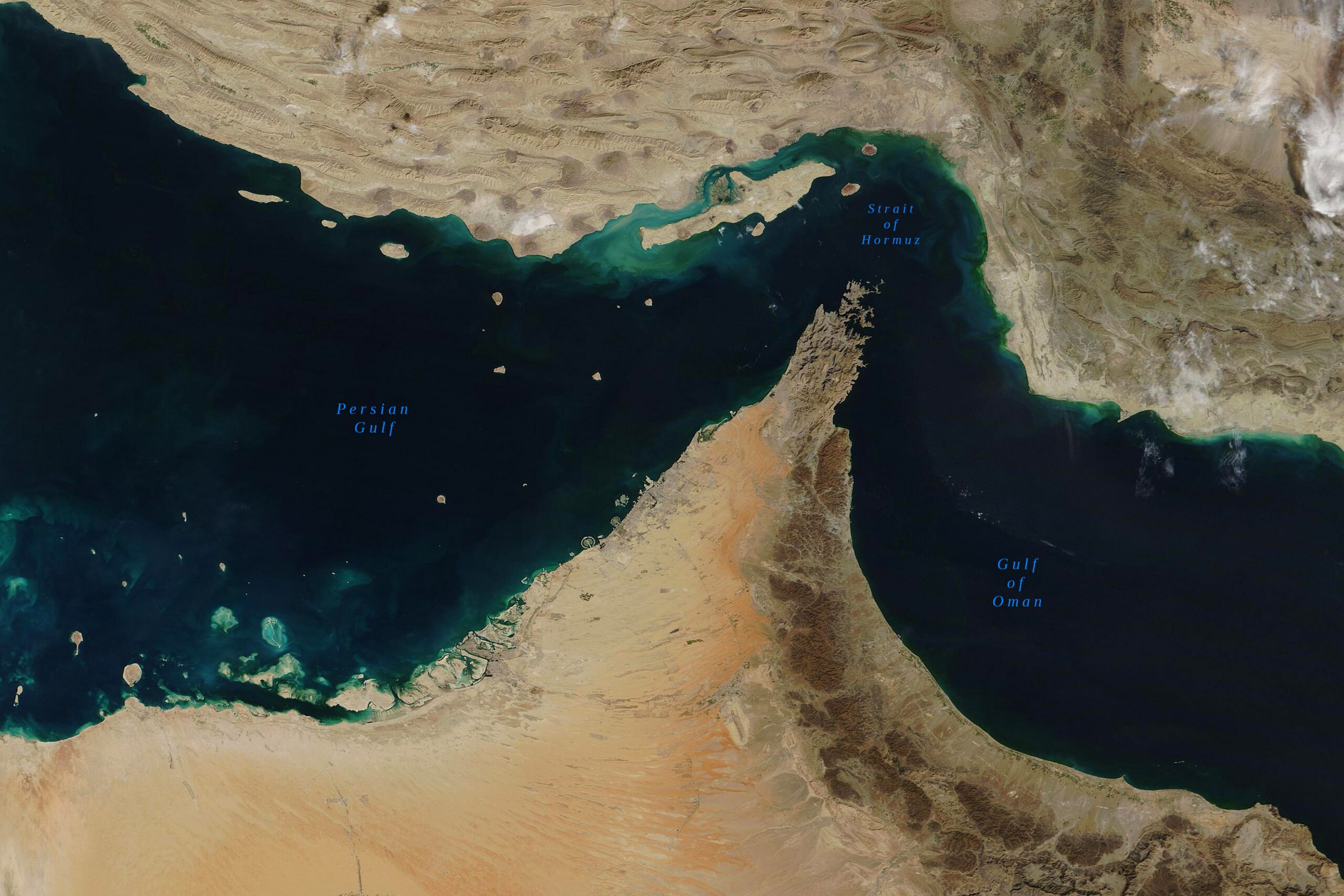
The Strait of Hormuz remains one of the world's most economically significant maritime passages, with roughly one-fifth of all global oil trade flowing through its narrow channels. Disruptions to shipping—whether from geopolitical tensions, military incidents, piracy concerns, or other regional instability—have immediate implications for energy prices, insurance costs, and supply chain reliability across global markets. The market's focus on a specific quantitative threshold reflects the importance of distinguishing between actual normalized traffic and merely partial recovery, making this a tangible metric for assessing whether underlying regional risks have genuinely receded.
Key Factors
The near-50% split suggests market participants are weighing multiple competing scenarios. Regional tensions involving Iran, potential Houthi maritime activities, and broader geopolitical dynamics in the Persian Gulf remain sources of uncertainty that could prevent a full return to normal traffic volumes. Conversely, market participants holding the 45.5% probability acknowledge that such disruptions may prove temporary or that shipping patterns may adapt to new equilibrium levels. The 18-month timeframe through June 2026 provides substantial runway for circumstances to evolve, but the lack of recent price movement suggests participants are not currently expecting imminent catalysts that would sharply shift expectations in either direction.
Outlook
Resolution will depend entirely on IMF Portwatch data publication, removing subjective interpretation from the outcome. Market participants should monitor both regional developments—diplomatic initiatives, military incidents, or policy changes—and actual Portwatch publications for early signals of directional movement. A sustained period of uninterrupted, normal-range transit activity would likely push probabilities higher, while any new disruptions or geopolitical escalation could move markets toward the \"No\" outcome. The current pricing reflects genuine uncertainty rather than consensus, suggesting informed traders view both outcomes as materially plausible over the specified timeframe.