Market Overview
The prediction market on Strait of Hormuz transit normalization is trading at near-parity, with traders assigning a 45.5% likelihood that shipping traffic through the waterway will reach a 7-day moving average of at least 60 daily vessel arrivals by June 30, 2026. With over $1.5 million in volume, the contract reflects genuine uncertainty about the timeline for recovery in one of global commerce's most strategically important passages. The threshold of 60 daily transits is calibrated against historical norms for the Strait, where dozens of tankers, bulk carriers, and container ships typically transit daily under stable conditions.
Why It Matters
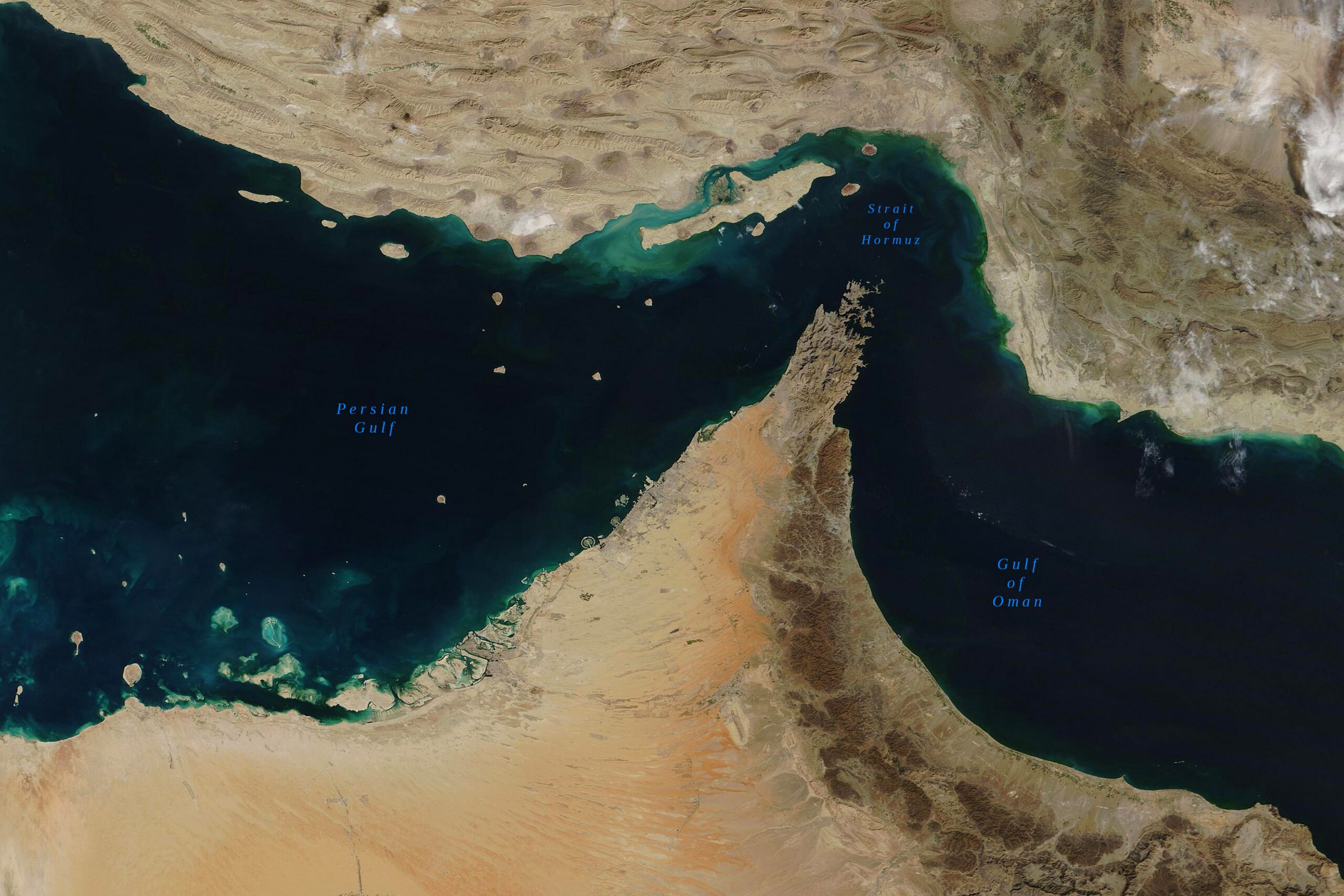
The Strait of Hormuz handles roughly one-fifth of global oil traded internationally, making its security and accessibility central to energy markets and international commerce. Disruptions to normal traffic patterns—whether from geopolitical tensions, military posturing, or direct attacks—ripple across energy prices, shipping costs, and supply chains worldwide. The resolution criteria relies on IMF Portwatch data, an authoritative source for port and maritime traffic monitoring, ensuring objective measurement of recovery. A return to 60+ daily transits would signal meaningful de-escalation and restoration of confidence among vessel operators and insurers navigating the passage.
Key Factors
Several dynamics shape current market pricing. Regional geopolitical tensions—including U.S.-Iran relations, Houthi maritime activity, and broader Middle East security concerns—create persistent risk that shipping operators will reroute or delay transits even if no immediate incident occurs. Insurers' risk premiums and vessel availability also influence actual traffic flows independent of the waterway's physical safety. Conversely, economic incentives are powerful: rerouting around Africa or through alternative corridors adds weeks to transit times and substantial fuel costs, creating pressure for operators to resume normal Hormuz passages once perceived risk subsides. The 16-month window to June 2026 allows time for either escalation or meaningful de-escalation, though the near-50/50 odds suggest traders view both scenarios as plausible.
Historical context matters as well. Previous disruptions to Strait traffic—including tanker attacks in 2019 and drone strikes—caused temporary traffic declines but typically recovered within weeks to months once insurance and diplomatic mechanisms adjusted. The current probability of 45.5% implies skepticism that a durable normalization will occur by mid-2026, perhaps reflecting expectations that underlying tensions will persist or that recovery will extend beyond the deadline.
Outlook
Movement in this market will likely correlate with headline developments in U.S.-Iran diplomacy, regional military posturing, and any incidents affecting shipping. A significant de-escalation agreement or diplomatic breakthrough could shift odds sharply toward \"Yes.\" Conversely, renewed military tensions or attacks on shipping would push probabilities lower. Traders should monitor IMF Portwatch data releases closely; once the 7-day moving average reaches 60, the market resolves immediately regardless of duration of the remaining contract period. The current pricing suggests markets see meaningful structural headwinds to recovery, positioning the outcome as genuinely uncertain rather than consensus.