Market Overview
Prediction markets are currently pricing the probability of normal traffic flow through the Strait of Hormuz at 20.5%, with the benchmark set at a 7-day moving average of at least 60 daily transit calls. The market has held this level consistently over the past 24 hours, with substantial liquidity of $4.6 million indicating serious trader engagement on the question. The resolution criterion—requiring IMF Portwatch data showing sustained normal traffic levels at any point through May 31, 2026—establishes a specific, measurable threshold rather than relying on subjective assessments of normalcy.
Why It Matters
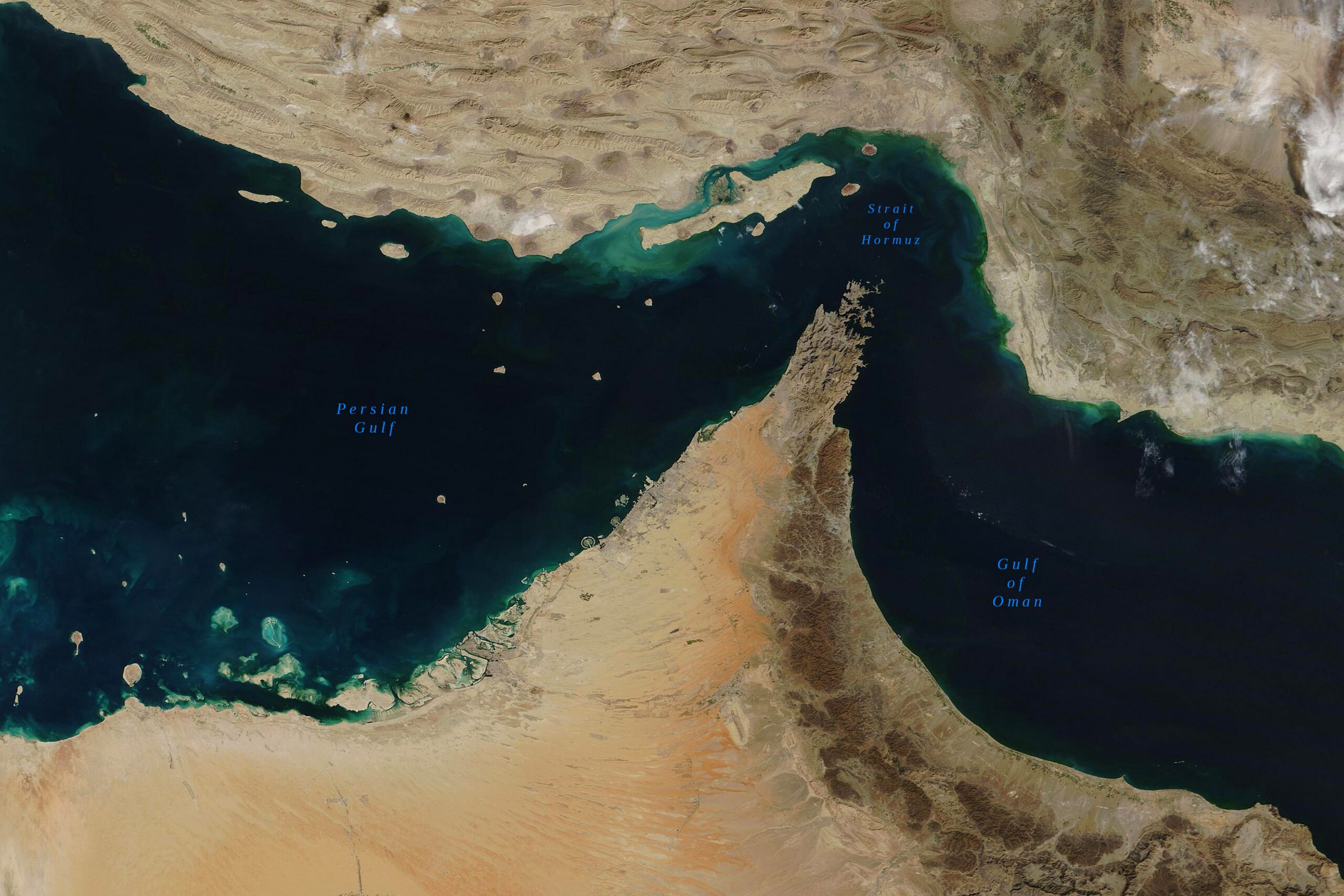
The Strait of Hormuz remains one of the world's most strategically vital maritime passages, with roughly one-fifth of global oil trade transiting through its narrow chokepoint between Iran and Oman. Disruptions to traffic flow carry immediate implications for global energy prices, insurance costs, and supply chain stability. The low probability assigned by markets suggests that traders expect continued constraints on shipping movements—whether from geopolitical conflict, military activity, or risk-aversion among shipping companies—to persist well into 2026. Understanding current market expectations for Hormuz traffic normalization provides insight into broader trader sentiment about regional stability and energy market resilience.
Key Factors
Several structural factors appear to be driving the relatively pessimistic market assessment. Ongoing tensions in the region, including attacks on commercial vessels and military posturing, have elevated insurance premiums and deterred some shipping traffic even when direct threats remain limited. The baseline for \"normal\" traffic—60 daily transit calls on a 7-day moving average—implicitly assumes a return to pre-disruption patterns, a condition that requires not only cessation of direct interference but also psychological recovery among shipping companies and insurers. The extended timeframe to May 2026 theoretically allows ample opportunity for normalization, yet markets assign four-to-one odds against it, suggesting traders believe current conditions reflect entrenched rather than temporary disruptions.
Outlook
For the market probability to shift materially upward, traders would likely require demonstrable de-escalation in regional tensions, formal security guarantees for commercial shipping, or evidence that traffic volumes are already recovering toward historical norms. Conversely, any escalation—renewed attacks, expanded military operations, or explicit disruption campaigns—would reinforce the bearish positioning. The stability of the 20.5% probability over recent periods suggests the market has already incorporated available information and reached an equilibrium reflecting genuine uncertainty about whether regional conditions will permit normal commerce within the specified timeframe. Traders monitoring this market should watch IMF Portwatch data releases for early signals of recovery trends, though the high bar set by the 60-call threshold means that gradual improvements below that level would not immediately shift resolution probabilities.