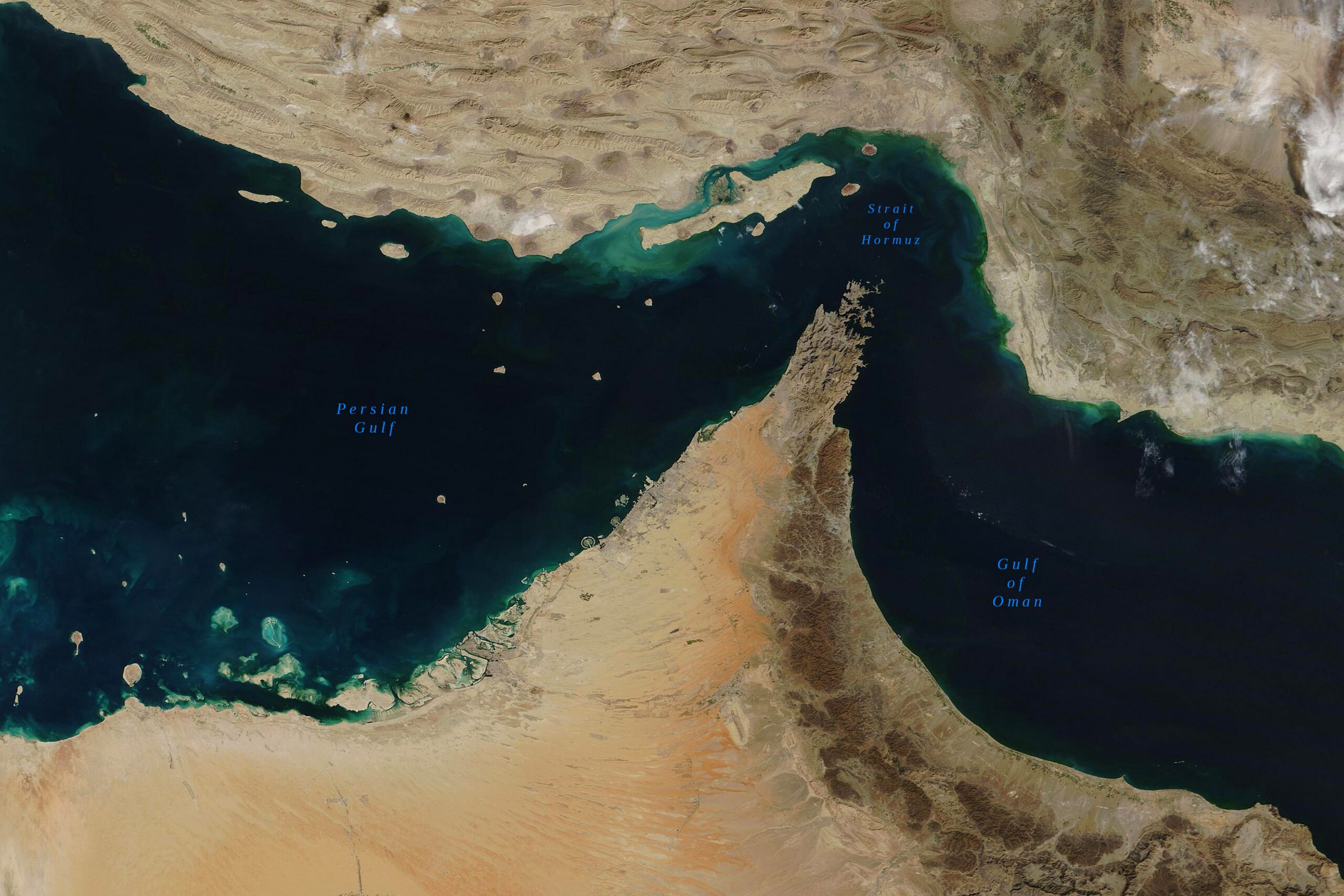
Market Overview
The probability that daily transit calls through the Strait of Hormuz will reach a 7-day moving average of 60 or higher by mid-May 2026 stands at 5.5%, according to current market pricing. This represents an extremely bearish assessment of near-term recovery prospects for one of the world's most strategically important maritime chokepoints, through which roughly one-fifth of global oil passes. The threshold of 60 daily transit calls serves as the market's definition of \"normal\" operations, against which current or expected future traffic levels are measured.
Why It Matters
The Strait of Hormuz is critical infrastructure for global energy security and international commerce. Disruptions to shipping through this narrow waterway—whether from geopolitical tensions, military incidents, or regional conflicts—send immediate ripple effects through energy markets, insurance costs, and supply chains worldwide. The market's deep skepticism about a return to normal operations within the specified timeframe suggests that traders and analysts expect sustained challenges in the region through at least mid-2026. The question implicitly acknowledges that current transit levels remain depressed relative to the 60-call baseline, indicating either ongoing disruptions or a structural shift in traffic patterns.
Key Factors
Several structural and geopolitical factors likely underpin the low probability. Regional tensions, including military posturing and potential maritime incidents, create uncertainty for shipping companies deciding whether to route vessels through the strait. Insurance premiums and security costs associated with transit through contested waters discourage traffic and may cause some shippers to adopt longer alternative routes. Additionally, any active military conflict or escalation between regional powers would almost certainly depress transit volumes further. The 16-month timeframe to May 2026 provides ample opportunity for either stabilization or deterioration, yet markets are pricing in sustained challenges. The high trading volume ($4.1 million) suggests this question reflects genuine market interest and concern, not mere speculation.
Outlook
For the market to flip toward \"Yes,\" traders would need to see credible evidence of sustained regional de-escalation, normalization of shipping insurance and transit costs, or explicit assurances from major shipping operators that they are returning to normal routing patterns. The resolution criteria—requiring IMF Portwatch data showing a 7-day moving average of 60 arrivals—provides an objective benchmark that eliminates ambiguity. Any significant improvement in regional security conditions or breakthrough diplomatic developments could shift probabilities materially higher, but current market pricing reflects the consensus view that such improvements are unlikely within the timeframe. Traders should monitor geopolitical developments in the Persian Gulf region and shipping industry reports on actual transit volumes as leading indicators of potential market repricing.