Market Overview
Prediction markets are currently pricing a return to normal Strait of Hormuz traffic by May 15, 2026, at just 7.5% probability—down from 15.5% one day prior. The market defines \"normal\" as a 7-day moving average of at least 60 daily transit calls, measured across container, dry bulk, tanker, and general cargo vessels tracked by the IMF Portwatch database. With over $2.9 million in trading volume, the market reflects substantial participant conviction that such a recovery within the specified timeframe is improbable.
Why It Matters
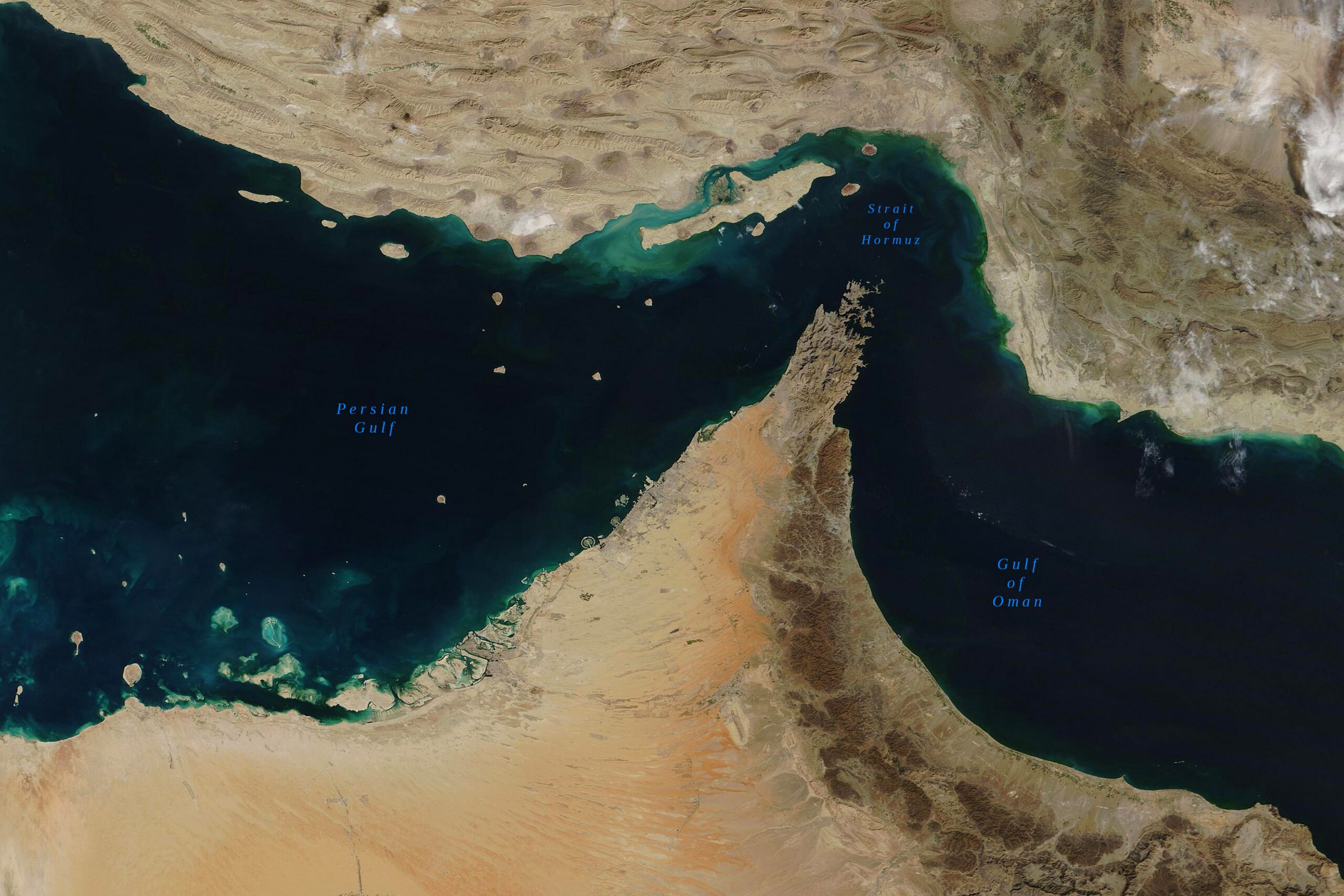
The Strait of Hormuz represents one of the world's most critical maritime chokepoints, with roughly one-fifth of global petroleum passing through its waters annually. Traffic disruptions signal geopolitical tensions, regional instability, or infrastructure constraints that ripple across energy markets and global supply chains. A sustained inability to return to normal transit levels by mid-May 2026 would indicate either persistent regional friction or structural changes to shipping patterns that circumvent the Strait, carrying significant implications for oil prices, shipping costs, and Middle Eastern security dynamics.
Key Factors
The sharp decline in probability over the past 24 hours suggests either new negative developments regarding regional stability or a reassessment of baseline traffic assumptions. Current geopolitical tensions in the Middle East, including shipping attacks and regional military posturing, have already constrained transit volumes. Market participants appear skeptical that these conditions will fully resolve within the timeframe, with only 4.5 months remaining until the May 15 deadline. The 60-call threshold itself—approximately the level that would constitute a genuine return to pre-disruption normality—is the critical bar. Unless there is a significant de-escalation in regional tensions or a restoration of confidence among shipping operators, achieving this sustained average appears remote.
Outlook
For the probability to meaningfully increase, markets would likely require clear geopolitical breakthroughs, formal security guarantees to shipping, or demonstrated sustained recovery in transit volumes over consecutive weeks. Conversely, further regional incidents or extended shipping diversions could drive the probability even lower. The current 7.5% odds reflect a market consensus that Strait of Hormuz traffic will remain suppressed through May 2026, with a return to normalcy dependent on developments that markets currently view as unlikely within the allotted timeframe.