Market Overview
Prediction markets are assigning a 33.5% probability to the Strait of Hormuz experiencing a return to normal traffic levels—defined as a 7-day moving average of 60 daily transit calls—by May 31, 2026. The market, which has drawn over $2.6 million in trading volume, reflects trader expectations that recovery of one of the world's most critical maritime chokepoints will face significant headwinds. The current pricing has remained relatively stable, with a modest decline from 34.5% just 24 hours prior, suggesting modest consensus rather than active disagreement among market participants.
Why It Matters
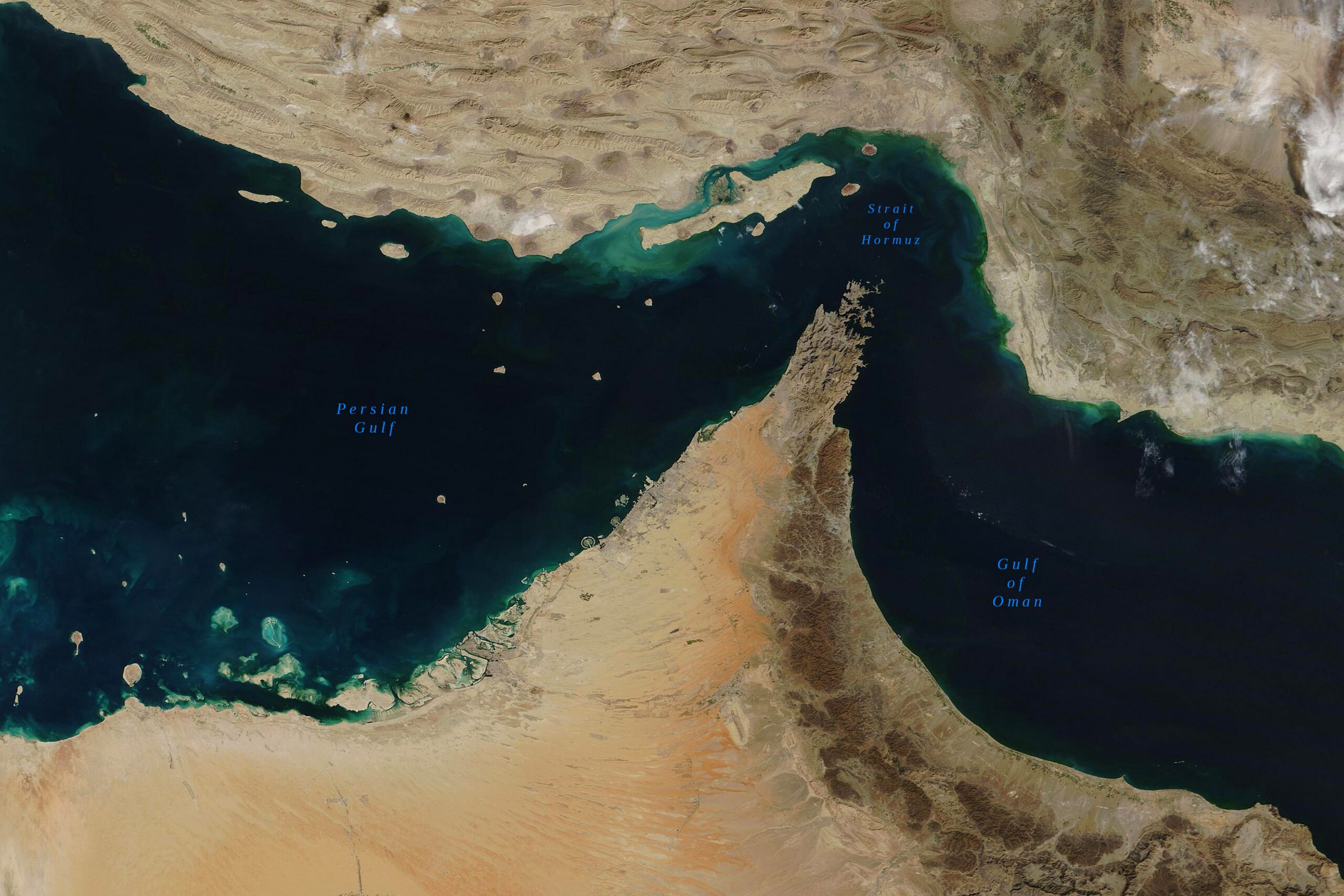
The Strait of Hormuz represents one of the most strategically important shipping lanes globally, with roughly one-fifth of global oil and liquefied natural gas transiting through its narrow waters annually. Disruptions to normal traffic patterns at the strait carry immediate implications for energy markets, global trade costs, and geopolitical stability. Normal traffic levels serve as a baseline indicator of regional stability and freedom of navigation. The market's focus on whether transit calls will reach the 60-vessel daily moving average threshold provides a concrete metric for assessing whether conditions have genuinely normalized or remain constrained by ongoing tensions, sanctions complications, or operational restrictions.
Key Factors
Several structural factors likely underpin the market's skepticism about a near-term recovery. Regional tensions involving Iran, the United States, and Gulf states have historically constrained shipping patterns, with vessels sometimes rerouting around the cape or reducing transits in response to perceived risk. Sanctions regimes, blockade concerns, and insurance complications affecting shipping in the region create friction that does not resolve quickly even when active hostilities de-escalate. Additionally, the current baseline traffic levels are not publicly disclosed in the market description, leaving uncertainty about how far traffic must recover to reach the 60-vessel threshold. If current traffic is substantially depressed, the recovery required could be substantial and require either major geopolitical shifts or extended periods of demonstrated stability. Seasonal patterns in shipping volumes and energy demand also create variability that could affect whether the market achieves the threshold at any point during the specified window.
Outlook
For the market probability to shift materially higher, traders would likely need to see evidence of geopolitical de-escalation in the region, significant reduction in transit risks, or near-term policy shifts affecting sanctions or regional agreements. Conversely, a sustained deterioration in regional security or new restrictions on shipping could push probabilities even lower. The timeframe—approximately 17 months from typical market assessment points—provides sufficient window for conditions to evolve, though the current 33.5% price suggests markets view a full normalization as improbable without major intervening developments. Monitor IMF Portwatch data releases for early signals of traffic trends, and watch for any major geopolitical announcements or shipping industry assessments of Strait of Hormuz conditions for potential market catalysts.