Market Overview
The Strait of Hormuz prediction market is pricing an extremely low probability—5.5%—that daily transit calls will reach a 7-day moving average of 60 arrivals by May 15, 2026. The threshold of 60 daily transits appears to represent a baseline \"normal\" operational level for the waterway. With $4.08 million in total volume and flat pricing over the past 24 hours, the market reflects a stable consensus rather than recent volatility. The extended timeframe—roughly 18 months from typical market creation—allows for significant geopolitical shifts, yet traders remain heavily weighted toward a \"No\" resolution, suggesting they expect sustained disruptions beyond the specified window.
Why It Matters
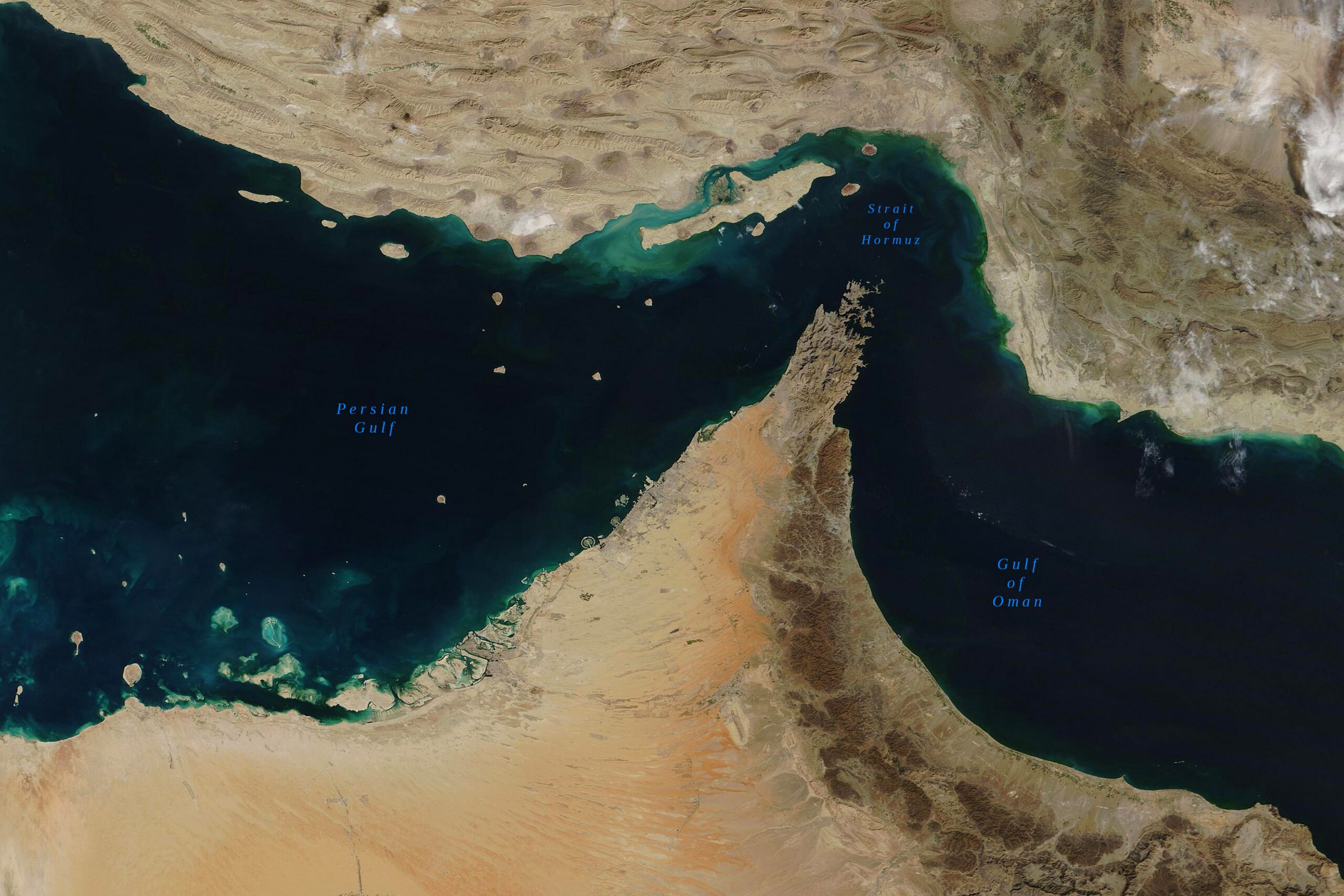
The Strait of Hormuz remains one of the world's most strategically vital shipping lanes, with approximately one-fifth of global petroleum passing through it annually. Any sustained reduction in transit traffic signals either geopolitical tensions, military conflict, or deliberate blockade activity in the region—developments with ripple effects across global energy prices, supply chains, and insurance costs. This market functions as a barometer of trader confidence in regional stability and freedom of navigation through the next 18 months. A 5.5% probability for recovery implies markets view the underlying disruption as either structural, intentional, and resistant to near-term resolution, or that current baseline traffic already sits well below the 60-transit threshold.
Key Factors
Several dynamics shape the low probability assessment. Historical tensions between Iran and regional actors—including the U.S., Saudi Arabia, and Israel—have periodically prompted shipping disruptions, Houthi attacks on vessels, and reduced voluntary transits even absent formal blockades. The market's pricing suggests traders expect these tensions or their operational consequences to persist through May 2026. Additionally, if current transit levels are already depressed relative to the 60-call threshold, achieving recovery requires not only geopolitical de-escalation but active normalization of shipping behavior and carrier willingness to route through the strait. Economic factors matter too: if alternative routes (such as the route around the Cape of Good Hope) have become established practice, operators may be slow to revert even if security improves. Lastly, the specificity of the IMF Portwatch data source and its 7-day moving average methodology creates a measurable, objective standard—leaving little room for ambiguity in resolution but potentially making the target harder to hit if traffic rebounds unevenly.
Outlook
For the \"Yes\" outcome to materialize, traders would need to see either significant de-escalation of regional conflict, removal of blockade or attack threats, and an active recovery in transits to pre-disruption norms—all by mid-May 2026. Given that major geopolitical shifts rarely occur within 18 months, and given the current 5.5% pricing, the market is essentially betting on stability of the status quo or continued suppression. A substantial repricing upward would likely require credible diplomatic breakthroughs, international agreements to protect shipping, or a fundamental shift in regional power dynamics. Conversely, further deterioration in the region could theoretically push the probability even lower, though at 5.5% the market has limited room to move in that direction. Traders should monitor IMF Portwatch data releases directly to track whether any early indicators of rising transit calls emerge before the May 2026 deadline.