Market Overview
The market, which requires a 7-day moving average of at least 60 daily transit calls to resolve affirmatively, is pricing recovery at 5.5%—a sharp contrast to the binary nature of the question. This low probability reflects market participants' assessment that Strait of Hormuz traffic faces structural headwinds unlikely to dissipate within the 18-month timeframe. The market has attracted substantial liquidity of over $4 million, suggesting serious capital deployment by participants with varying views on regional stability and shipping corridors.
The resolution criteria rely on IMF Portwatch data, which tracks container ships, dry bulk carriers, tankers, and general cargo vessels—the backbone of global maritime trade. The 60-call threshold appears to represent a meaningful recovery benchmark relative to baseline conditions, though the exact normal level in the current geopolitical environment remains contested.
Why It Matters
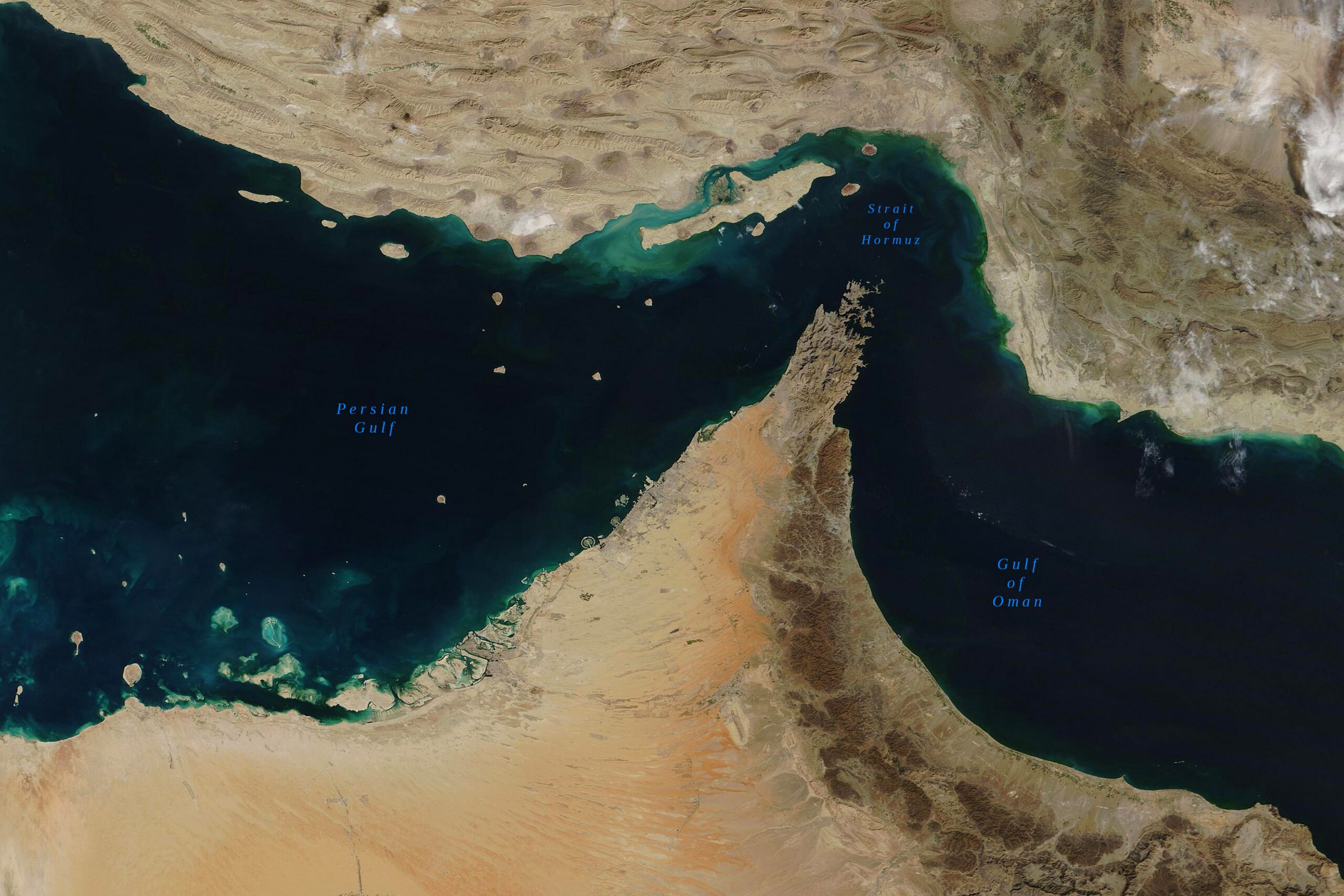
The Strait of Hormuz handles roughly 20-30% of global seaborne petroleum trade and connects Middle Eastern producers to international markets. Disruptions to transit—whether from geopolitical tensions, military activities, or sanctions regimes—send ripples through energy markets, shipping costs, and global supply chains. If traffic normalization fails by May 2026, it would signal sustained structural disruption rather than a temporary shock, with implications for energy prices, regional stability assessments, and maritime insurance costs.
Key Factors
Several underlying drivers explain the market's pessimistic odds. Geopolitical tensions in the region remain elevated, with recurring drone and missile attacks on shipping, naval presence from multiple powers, and proxy conflict dynamics that show few signs of resolution on the projected timeline. Sanctions targeting Iranian oil exports and vessels create persistent friction affecting transit patterns. Additionally, some shipping may have permanently rerouted via longer alternative passages—including the Cape of Good Hope route—reducing overall traffic volume even if acute crisis conditions ease.
Market participants appear to be pricing in a baseline scenario where current friction persists through spring 2026. The 5.5% probability suggests only a small contingency for rapid de-escalation, diplomatic breakthroughs, or sudden shifts in sanctions policy that would restore baseline traffic flows. Historical precedent matters too: previous disruptions to Strait traffic have taken years to fully normalize.
Outlook
For the market to shift materially higher, catalysts would likely include major diplomatic developments—such as nuclear negotiations with Iran, U.S. policy shifts, or regional conflict resolution—that reduce perceived security risks to merchant vessels. Similarly, if sanctions are lifted or maritime insurance costs fall sharply, diverted traffic might return. Conversely, any escalation in military activity, new attacks on shipping, or tightening of sanctions would likely reinforce the low probability.
The market's current pricing reflects a base case of continued tension and fragmented shipping patterns. With high volume and stable odds, the market appears to be fairly balanced between those betting on near-term stability and those skeptical such stability arrives within the specified window.