Market Overview
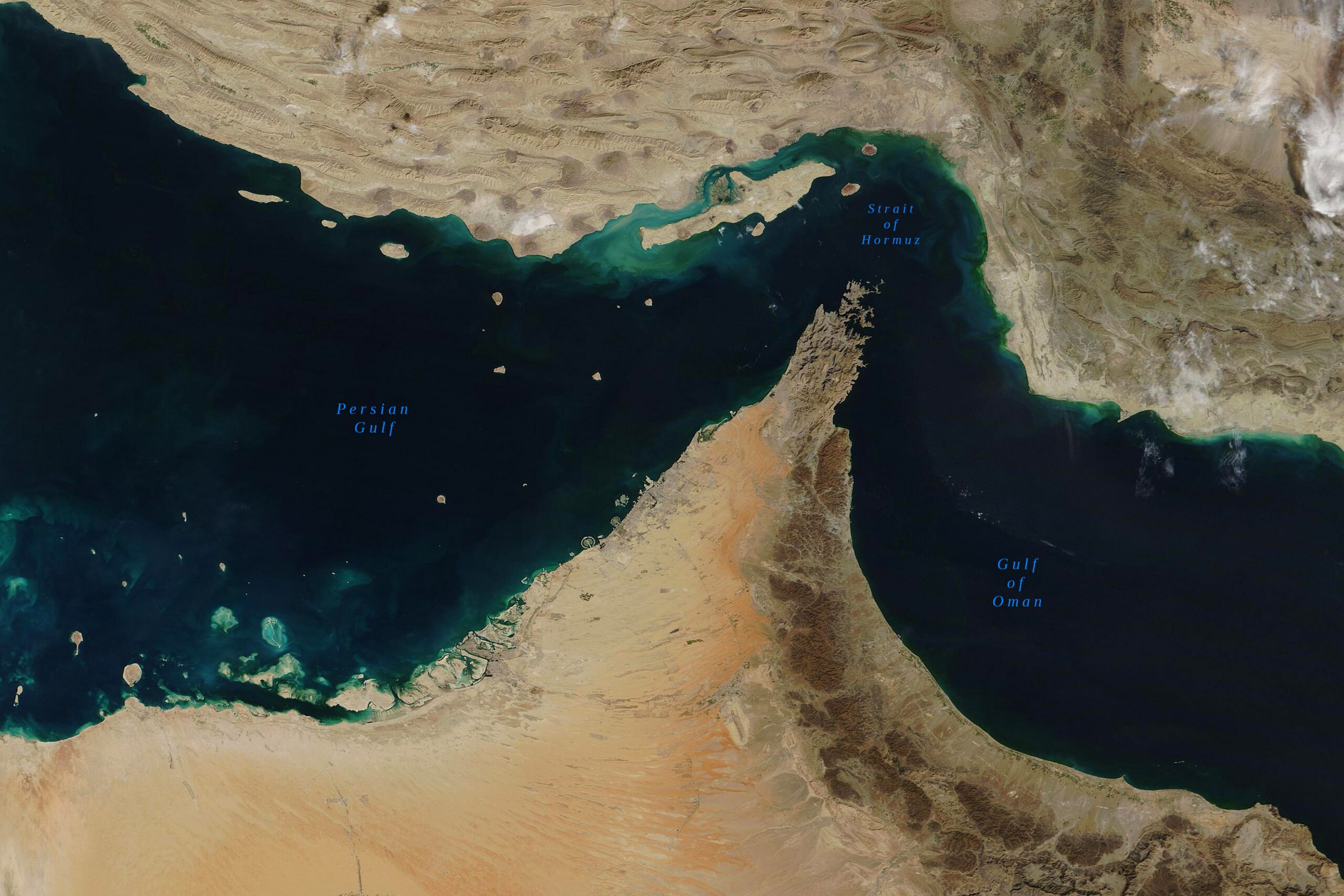
Prediction markets are currently pricing the likelihood of the Strait of Hormuz returning to normal traffic levels—defined as a 7-day moving average of 60 or more daily transit calls—at 2.9%, down from 4.5% a day earlier. The market has attracted substantial volume of nearly $26 million, indicating significant trader interest in this geopolitically sensitive outcome. The extremely low probability suggests widespread consensus that the world's busiest oil chokepoint will remain disrupted well into the spring of 2026.
Why It Matters
The Strait of Hormuz is a critical artery for global energy markets, with roughly one-fifth of the world's oil supply passing through its narrow waters daily. Any sustained disruption to traffic through the strait carries implications for global oil prices, shipping costs, and energy security. The market's current pricing reflects an expectation that whatever conditions have constrained transit volumes will persist for at least the next several months, suggesting traders view the disruption as neither temporary nor easily resolved through near-term diplomatic or operational interventions.
Key Factors
The extremely low probability is primarily driven by the high threshold required for resolution. A 7-day moving average of 60 daily arrivals represents what markets are interpreting as \"normal\" pre-disruption levels. For the market to resolve \"Yes,\" this level would need to be achieved and sustained, even briefly, through April 30, 2026. Current trading patterns suggest that traders expect actual transit volumes to remain substantially below this benchmark throughout the measurement period. Geopolitical tensions, military activities, or ongoing supply chain restructuring in the region could all be factors constraining the expected recovery timeline. The market's terms specify that resolution occurs as soon as IMF Portwatch data shows the threshold has been met, creating an incentive for traders to price in the possibility of rapid recovery—yet the 2.9% probability indicates confidence in a prolonged disruption scenario.
Outlook
For the probability to rise materially, market participants would likely need to see concrete developments signaling imminent restoration of normal operations: diplomatic breakthroughs reducing regional tensions, removal of military impediments to shipping, or official statements from regional actors committing to normalized traffic. The current low odds suggest that without such developments, most traders expect the Strait of Hormuz to remain in a constrained state through Q2 2026. Any shift in geopolitical conditions or unexpected resolution of underlying disputes could sharply move the needle, but the market's pricing currently reflects skepticism about near-term normalization.