Market Overview
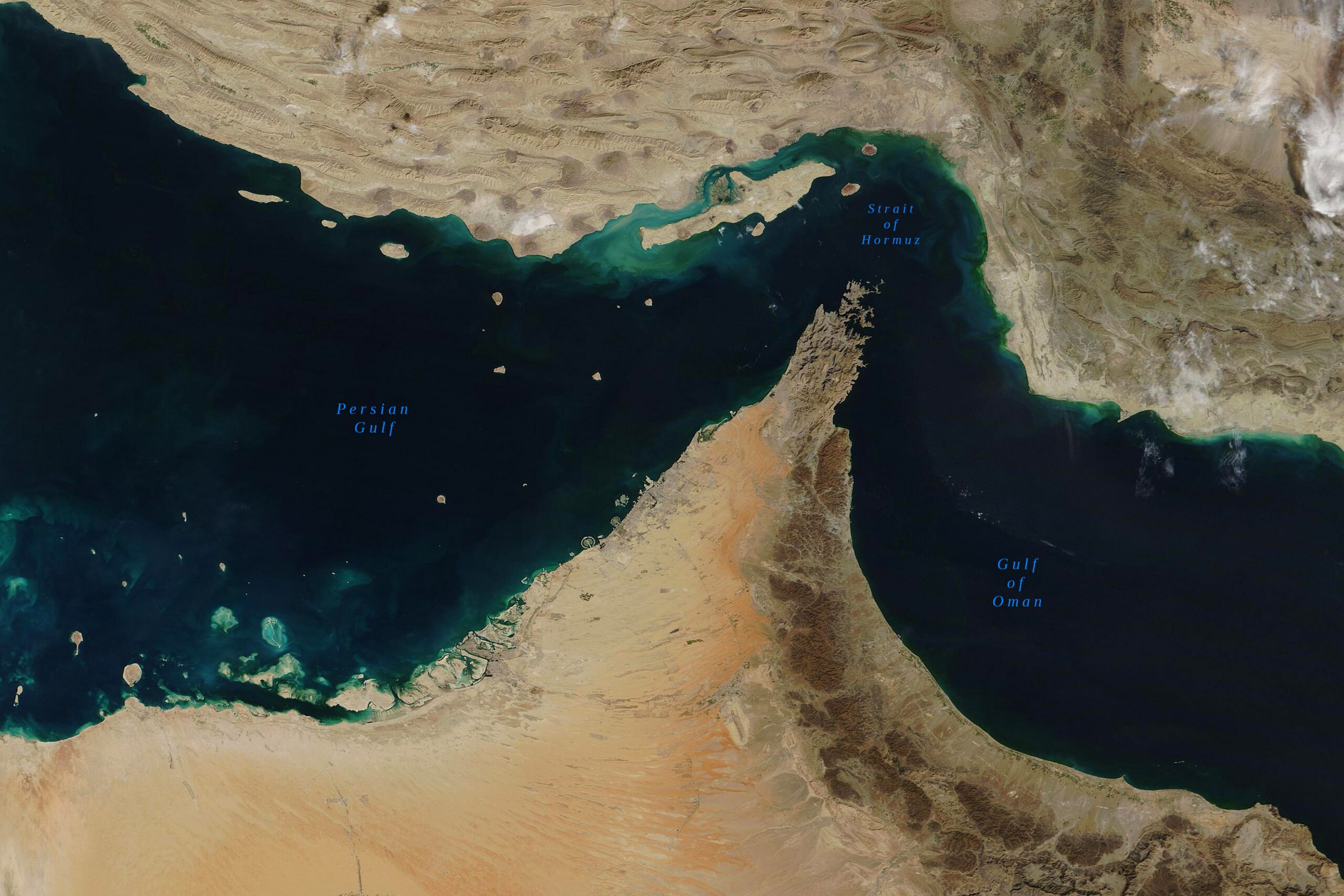
The Strait of Hormuz prediction market has seen a notable repricing upward over the past 24 hours, with contract prices jumping from 26.5% to 39%, though traders still assign a probability of failure to the recovery thesis. With over $14.7 million in volume, the market reflects significant liquidity and professional interest in the question of regional shipping stability. The resolution criteria are precise: IMF Portwatch data must show a 7-day moving average of at least 60 transit calls (encompassing container, dry bulk, roll-on/roll-off, general cargo, and tanker vessels) at any point through April 30, 2026. This 16-month window provides ample opportunity for recovery, yet current pricing suggests widespread skepticism that normal conditions will materialize.
Why It Matters
The Strait of Hormuz remains one of the world's most strategically vital maritime passages, with approximately one-third of global seaborne traded oil and liquefied natural gas transiting through the chokepoint annually. Any disruption to traffic flows carries immediate implications for energy markets, global shipping costs, and geopolitical risk premiums. The current market consensus—that a return to baseline traffic remains more likely than not to fail—signals trader perception that regional instability will persist into 2026. A 60-call threshold suggests a meaningful but incomplete recovery from depressed levels, implying that even reaching this modest baseline is viewed as challenging.
Key Factors
The recent uptick in market probability may reflect incremental improvements in regional conditions or a reassessment of de-escalation trajectories, though the absolute level of 39% remains low. Several factors are likely constraining bullish sentiment. First, the region has experienced repeated incidents affecting shipping in recent years, including drone and missile attacks, mine-laying, and insurance-related disruptions that have deterred maritime traffic. Second, structural risks remain embedded in Middle Eastern geopolitical dynamics, with tensions between Iran, regional states, and external powers creating persistent uncertainty. Third, shipping companies and insurers have built alternative routing into their long-term planning, potentially making a full return to historical traffic levels difficult even if security improves. Finally, the March 2025 timeframe leaves limited runway for sustained normalization before the April 30 resolution date.
Outlook
For the probability to rise substantially further, traders would likely require evidence of sustained de-escalation, explicit security guarantees from regional powers, or tangible improvement in IMF Portwatch traffic data. Conversely, any renewed incidents or escalation could push odds back toward earlier levels. The market's current 39% level suggests a baseline view that while recovery is possible, the bar for normalcy is high and the region's structural challenges remain unresolved. Monitor incoming shipping traffic data, diplomatic developments, and any statements from major shipping insurers or maritime authorities for signals that could shift this assessment.