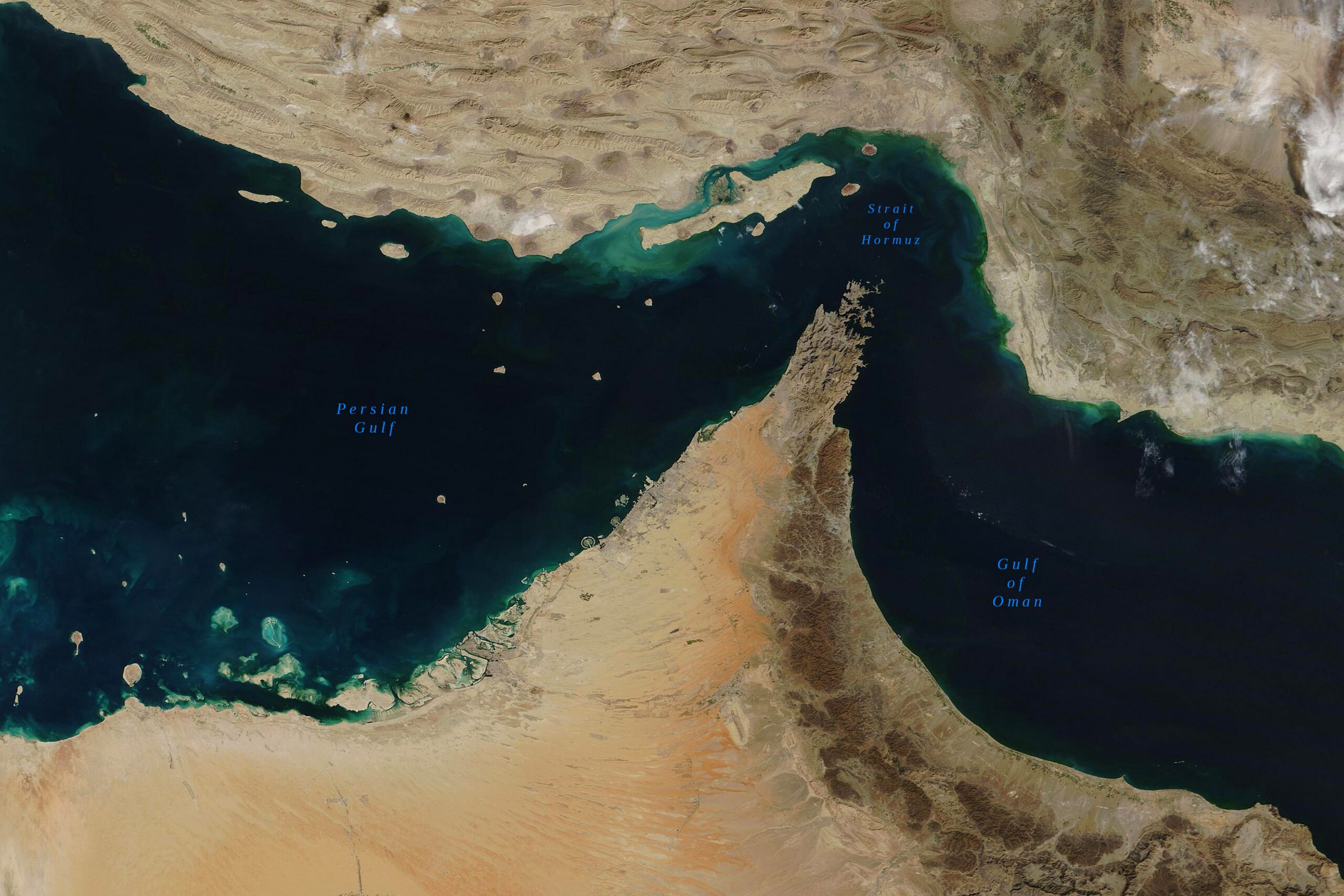
Market Overview
Prediction markets are assessing the likelihood that daily transit calls through the Strait of Hormuz will rebound to or exceed a 7-day moving average of 60 ships by June 30, 2026. Currently priced at 45.5%, the market reflects near-even odds that shipping traffic will normalize within the specified timeframe. With over $1.5 million in trading volume, the market indicates sustained interest in one of the world's most strategically critical maritime passages, through which roughly one-fifth of global oil exports flow.
Why It Matters
The Strait of Hormuz serves as a vital artery for global energy supplies and international trade. Disruptions to transit patterns carry macroeconomic implications for energy prices, supply chain stability, and regional security. The resolution threshold of a 60-ship daily average represents a benchmark for \"normal\" operations that authorities and traders monitor closely. The market's current pricing suggests the investing community perceives material risks to traffic recovery, whether from geopolitical tensions, sanctions enforcement, vessel repositioning, or other operational constraints.
Key Factors
Several dynamics influence the probability of reaching the recovery threshold. Geopolitical conditions in the Persian Gulf and broader Middle East remain primary drivers—escalations in regional tensions, naval incidents, or blockade actions could impede traffic flows. Sanctions regimes affecting Iranian and other regional shipping also shape transit patterns and vessel willingness to transit. Additionally, longer-term shifts in tanker routing, the pace of sanctions enforcement, and insurance costs for transiting vessels all play roles. The 18-month window through June 2026 provides a relatively extended period for conditions to stabilize, yet the market's middling probability suggests traders perceive structural headwinds to a full recovery.
Outlook
The 45.5% probability implies traders see recovery as plausible but far from assured. Any significant de-escalation in regional tensions or relaxation of sanctions could shift odds toward \"Yes\" by increasing confidence in transit normalization. Conversely, renewed geopolitical instability or enforcement intensification could push probabilities lower. Market participants will likely watch official IMF Portwatch transit data releases closely, tracking whether the 7-day moving average shows trending improvement toward the 60-ship threshold. The resolution mechanism's focus on actual published data rather than forecast estimates means the market will ultimately hinge on demonstrated shipping behavior rather than policy statements alone.