Market Overview
Prediction markets are valuing the likelihood of normalized Strait of Hormuz traffic at 45.5% as of late trading, indicating that traders view a full recovery by June 30, 2026 as a close call. The market defines normalization as a 7-day moving average of transit calls reaching 60 or above—encompassing container, tanker, dry bulk, and roll-on/roll-off vessels tracked by IMF Portwatch. With over $1.5 million in volume, the market has attracted significant capital despite relatively stable pricing over the past 24 hours, suggesting traders have largely settled on current valuations after initial assessment.
Why It Matters
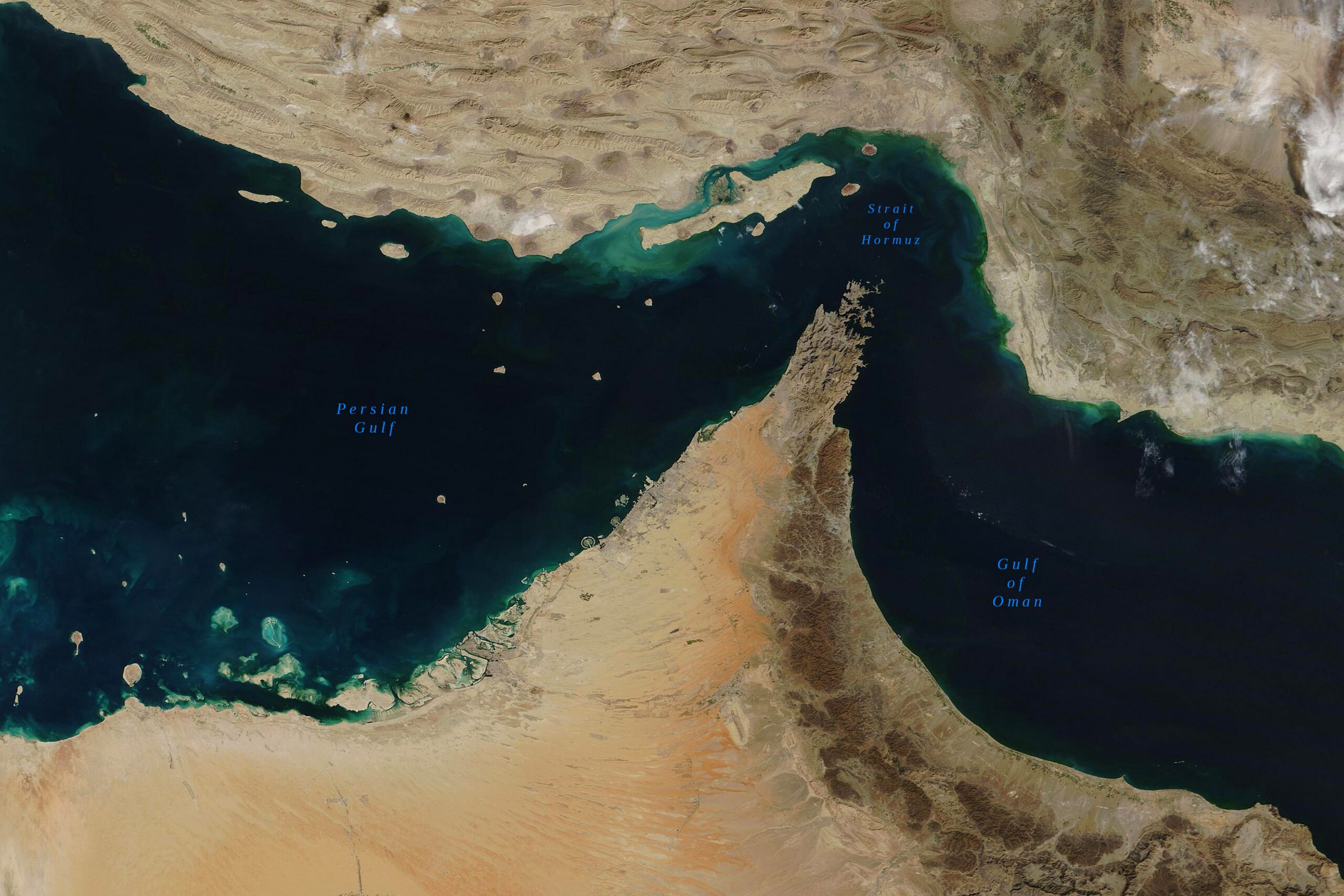
The Strait of Hormuz remains one of the world's most strategically vital maritime passages, with roughly 20-25% of global petroleum trade flowing through its narrow channels annually. Any sustained disruption to traffic patterns carries immediate implications for energy prices, shipping insurance costs, and broader supply chain efficiency. A recovery to normal levels by mid-2026 would signal stabilization of regional conditions and confidence in sustained passage safety, whereas failure to achieve this threshold would suggest prolonged geopolitical friction or operational obstacles continue to impede commerce. For markets already sensitive to Middle East tensions, this forecast carries outsized weight as a barometer of regional stability.
Key Factors
The near-even market probability reflects fundamental uncertainty around several drivers. Regional geopolitical tensions—including potential escalations between Iran and Gulf states, Houthi insurgent activity, or broader conflicts—represent the primary downside risk to a recovery scenario. Conversely, successful diplomatic de-escalation, international security initiatives to protect shipping lanes, or a normalization of relations could facilitate rapid rebound in transit volumes. The market's baseline assumption appears to be that current disruptions are neither trivial nor permanent, but rather subject to meaningful near-term resolution risk. Weather patterns, port infrastructure capacity, and shipping industry rerouting decisions also play secondary roles, though these typically prove less volatile than security considerations in this chokepoint.
Outlook
With approximately 18 months remaining until the June 30, 2026 resolution date, ample time exists for either escalation or de-escalation to shift probabilities materially. Traders will likely reassess this market in response to concrete developments: credible reports of attacks or increased regional military activity would compress the probability downward, while announced security agreements or documented traffic increases would push it higher. The 45.5% current level suggests markets are pricing neither a baseline recovery scenario nor a pessimistic entrenchment—instead positioning for a volatile environment where outcomes remain genuinely uncertain. Monitoring IMF Portwatch data and official regional security announcements will provide the earliest signals of directional shifts in trader sentiment.